
Guide to New Forest: UK’s Idyllic National Park
The New Forest National Park, located in the south of England, is a captivating region filled with natural beauty and rich history. Established in 2005, the park covers diverse landscapes, including heathlands, ancient woodlands, wetlands, and grasslands.
It offers a blend of scenic views, outdoor activities, and a sense of tranquility that attracts visitors from across the world. The New Forest is well-known for its picturesque villages, many of which retain a traditional English charm. The area is also famous for its wild ponies, which roam freely across the heathlands and grasslands.
These ponies, along with other livestock like cattle and donkeys, have been an integral part of the New Forest’s history for centuries, contributing to the park’s pastoral charm. Here’s our comprehensive guide to New Forest National Park;
Please Download Our Mobile App here.
Overview of New Forest National Park
New Forest National Park spans 219 square miles, offering a peaceful escape for travelers. Its proximity to the capital and easy accessibility have made it one of the country’s most visited national parks. The park holds particular significance in England as it protects the largest uninterrupted expanse of natural pasture, heathland, and forest in the southern region.
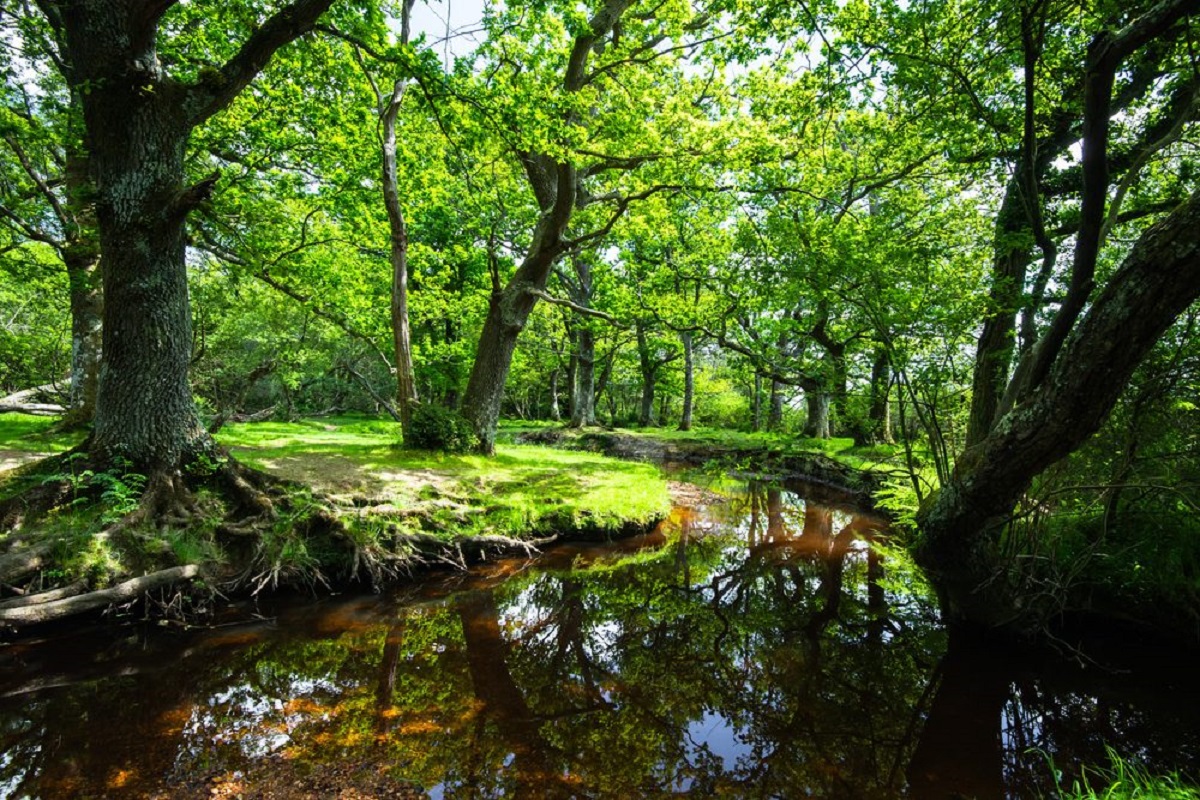
This diverse lowland ecosystem supports a rich variety of habitats, including alder carr, marshes, bogs, and both wet and dry heaths. This rich ecosystem makes it an ideal environment for several species of deer that freely roam the landscape. Broadleaved woodland dominates the area, covering 56 square miles, while heath and grassland make up 46 square miles.
Wet heath contributes another 13 square miles, and tree plantations account for 32 square miles, creating a rich mosaic of plant and animal life. Though not a mountainous region, the park’s gently rolling terrain includes elevation changes, with the highest point being Pipers Wait at 423 feet above sea level.
Several rivers weave through the park’s lush and varied landscape. These include the Avon Water, Beaulieu River, and Lymington River, which flow southward. The Dockens Water, Latchmore Brook, and Linford Brook meander westward.
Wildlife in New Forest National Park

The New Forest National Park is a vibrant sanctuary teeming with a wide variety of wildlife. Among its most iconic residents are the free-roaming ponies, donkeys, pigs, and cattle that can often be seen wandering through open heathlands or through nearby villages. The park’s ancient woodlands shelter an abundance of creatures such as rabbits, voles, badgers, foxes, and several species of deer, including fallow, red, sika, roe, and muntjac.
These deer are particularly emblematic of the park and are a major draw for wildlife enthusiasts. The New Forest also supports an impressive bird population, with buzzards circling overhead, owls nestled in tree hollows, and wading birds found near wetlands and streams. Reptiles and amphibians, such as snakes, lizards, frogs, toads, and newts, also thrive in the park’s diverse environments.
Smaller, often overlooked residents like butterflies, moths, and dragonflies add even more vitality to the landscape. Along rivers and marshes, European otters make frequent appearances, while species like the European polecat and the elusive American mink contribute to the park’s ecological variety. Though rarely seen, reintroduction efforts and protected areas also support rarer mammals such as pine martens, wolves, and even European bison.
Best Time to Visit New Forest National Park
The ideal time to explore the New Forest National Park is during spring or fall. During these windows, the landscape is at its most enchanting and the visitor numbers are relatively low. In spring (March to May), the forest begins to stir with life. You’ll find wildflowers blanketing the ground in vibrant color, birdsong fills the air, and young animals, including the well-known New Forest ponies, make their first appearances.
The temperatures are generally mild, making it an excellent season for leisurely walks, birdwatching, and cycling through the awakening woodlands. Fall, particularly in September and October, transforms the forest into a tapestry of gold, red, and orange, offering breathtaking views for hikers and cyclists alike.
It’s also the time of the traditional pannage season, when pigs are let loose to forage for acorns. While summer brings warmer weather and opportunities for beach outings along the nearby coast. It’s also the busiest time of year, with crowds peaking during school holidays and August weather proving occasionally unpredictable.
Winter sees a marked drop in visitor numbers, creating a more serene experience with frosty foliage, striking sunsets, and clear night skies. Though quieter, the season still offers charm and activity, from scenic winter walks to events at attractions like the Sammy Miller Motorcycle Museum and Paulton’s Park.
Getting to New Forest National Park

Reaching the New Forest National Park from London is both straightforward and scenic, with several convenient travel options. The quickest and most comfortable way is by train. There’s a direct South Western Railway service from London Waterloo to Brockenhurst, a journey that takes around 90 minutes.
Brockenhurst lies at the heart of the park and is an excellent base for exploring the surrounding landscapes. There are also other nearby stations such as Ashurst, Beaulieu Road, Sway, and Lymington. These are also well-connected by regional trains. Travelers from cities like Reading, Oxford, and Birmingham can also reach the New Forest via Cross Country Services. You’ll likely change trains once in London.
If you prefer road travel, National Express coaches operate from London Victoria Coach Station to several points near the New Forest, including Lyndhurst and Ringwood. Once within the region, local bus services such as Bluestar, Morebus, and Salisbury Reds will take you to the park. Most of the bus companies run daily trips to the various villages and attractions scattered throughout the park.
Other Activities in New Forest National Park
New Forest National Park offers a variety of scenic walking routes that showcase its diverse landscapes. Hiking is arguably the most immersive way to explore the park’s natural beauty. One of the shorter and more relaxed trails is the 2.5-mile route at Beaulieu Heath and Hatchet Pond.
For those seeking a more extended but still gentle outing, the Abbots Well and Fritham trail spans 9 miles and winds through elevated heathland. Another rewarding route is the Bolton’s Bench and Lyndhurst trail, a 7-mile path rated easy to moderate.
Park Fees in New Forest National Park

New Forest charges no admission fee. However, those arriving by car should be aware that parking is not free in most designated areas. Parking fees start at £1.00 for up to one hour and increasing incrementally to a maximum of £5.00 for up to 20 hours. Also, several visitor attractions and outdoor activity providers within the New Forest operate independently and may charge admission.
For example, the New Forest Wildlife Park charges £15.95 for adults and £12.50 for children aged 3 to 15, while a family ticket costs £51. Another popular stop, the New Forest Museum in Lyndhurst, charges £4.00 for adults and £3.00 for children, seniors, and students. Please check the park’s website for updated fees.
FAQs
Is New Forest National Park worth visiting?
New Forest National Park is well worth exploring, thanks to its distinctive mix of scenic landscapes, free-roaming wildlife, and centuries-old heritage. It’s one of the best places near London to unwind in nature or enjoy activities like walking, cycling, and wildlife spotting. The park also offers insight into a traditional way of life shaped by its unique environment, where ponies, cattle, and donkeys still graze freely across the land.
Can you camp in New Forest National Park?
Camping is allowed in New Forest National Park, but it must be done at designated campsites. Visitors are not permitted to wild camp or stay overnight in car parks. The park offers a range of campsite options, from family-friendly sites with full facilities to more rustic spots for those seeking a back-to-nature experience.
Conclusion
New Forest National Park is not merely a destination—it is a living landscape shaped by nature and people over centuries. Its rich biodiversity, deep-rooted traditions, and wealth of outdoor activities make it one of the most enchanting places to explore in the UK.