Best Wine Destinations in Europe
In the eternal debate of wine vs. everything else, wine almost always wins—especially when it comes with a passport stamp. Europe, the cradle of viticulture, has been turning grapes into liquid gold since long before it was fashionable. But with hundreds of regions boasting “the best wine,” where should the thirsty traveler actually go?
Europe is a playground for wine lovers, where centuries-old vineyards meet postcard-perfect landscapes and every glass tells a story. From the rolling hills of Tuscany to France’s Burgundy and Bordeaux, the continent is a patchwork of legendary terroirs. Spain offers bold reds in Rioja and crisp whites along its Atlantic coast, while Portugal’s Douro Valley serves up both robust table wines and sweet Port with dramatic flair.
Even lesser-known regions like Austria’s Wachau and Slovenia’s Vipava Valley are producing wines that surprise and delight. Ranking these destinations is no easy feat. Enter this highly opinionated, moderately sober guide to Europe’s best wine destinations. Here’s our list of the best wine destinations in Europe;
Please Download Our Mobile App here.
Plovdiv, Bulgaria
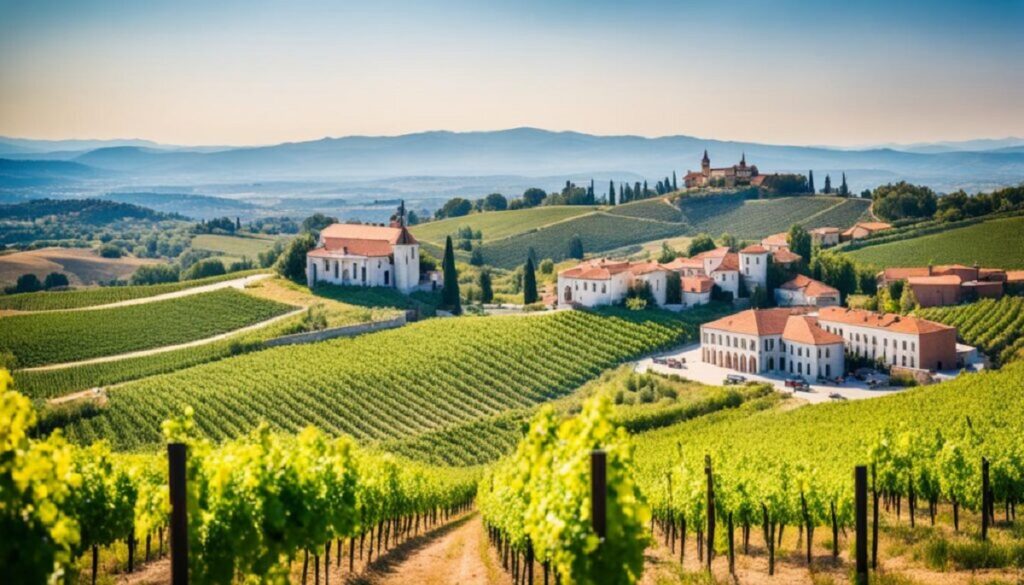
Plovdiv may be one of Europe’s oldest cities, but its approach to wine is anything but ancient. Set in the fertile valley of the Maritsa River, where winemaking has been practiced for over 5,000 years, Plovdiv is a modern-day Eden for oenophiles.
Ancient chroniclers once sang the praises of the local vintages, and today’s visitors are likely to do the same—though perhaps on Instagram rather than parchment. With its relaxed pace and charming atmosphere, the city is an excellent launchpad for discovering Bulgaria’s rich culinary heritage.
Here, you’ll find family-run wineries, cozy wine bars, and open-hearted locals making each tasting an experience rather than just a sip. Plovdiv’s wine scene also comes to life with a calendar full of lively events. These include; the Vinaria trade exhibition, the Young Wine Festival, and the crowd-pleasing Urban Wine Fest.
Bilbao, Spain
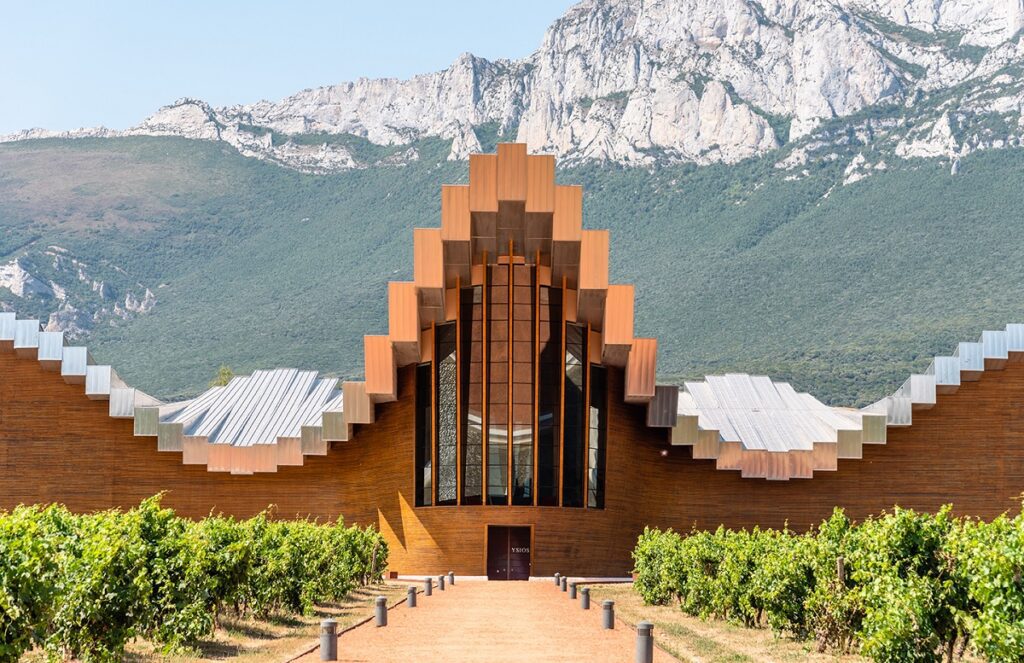
Bilbao, a buzzing metropolis nestled in Spain’s Basque Country, is the front door to one of Europe’s most legendary wine regions: La Rioja. While the city dazzles with avant-garde architecture like the Guggenheim Museum and tempts the taste buds with its maze of pintxos bars, it also lures oenophiles with its close proximity to wine country.
Less than two hours away, La Rioja rolls out its sun-soaked vineyards and historic bodegas like a red carpet for wine lovers. This is Tempranillo territory, where bold, elegant reds are born from centuries of winemaking tradition. Travelers can sip their way through family-run cellars, wander medieval villages tucked among the vines.
For a unique experience, time your visit with harvest festivals that blend rustic charm with local pride. Between winery tours, La Rioja’s rich cultural tapestry, particularly the slow-cooked cuisine that seems tailor-made for a glass of Crianza, offers a perfect pairing.
Bordeaux, France
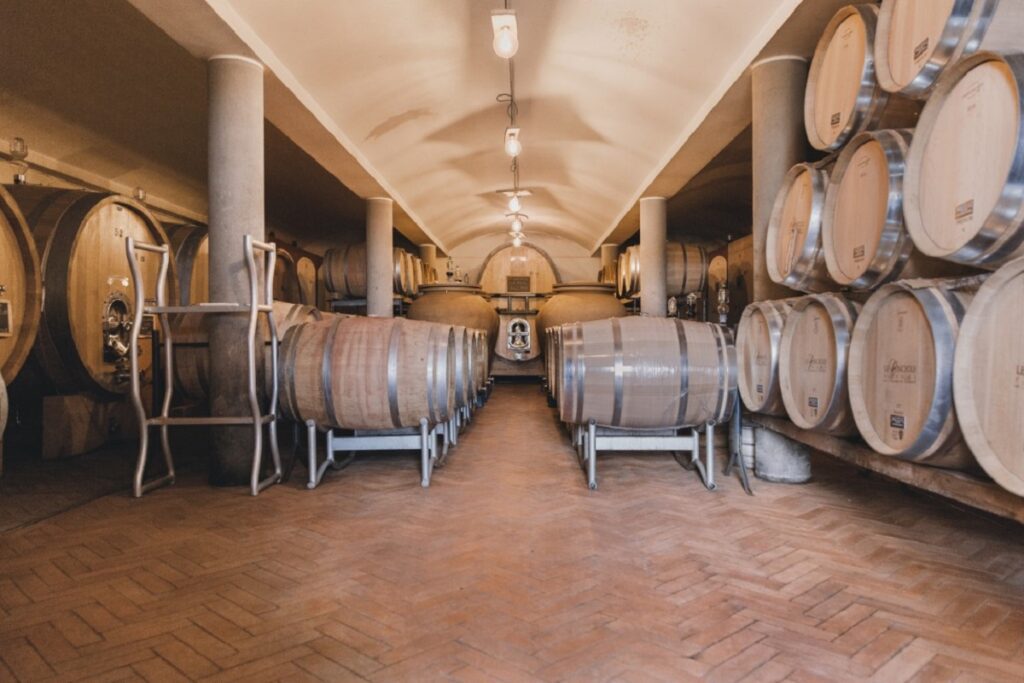
Bordeaux is often celebrated as Europe’s reigning wine capital. But this city offers more than just a glass of red—it delivers a full-bodied experience steeped in centuries of winemaking tradition. Nestled along the Garonne River, this French region is revered for its masterful red blends.
These are typically crafted from Cabernet Sauvignon, Merlot, and Cabernet Franc, and aged into legends by the time they reach your palate. The vineyards here stretch across idyllic countryside, with Saint-Émilion and Pomerol standing out as powerhouses of prestige and complexity. But Bordeaux isn’t just about sipping—it’s about savoring the story behind every bottle.
The futuristic Cité du Vin is the crown jewel for curious oenophiles, offering immersive exhibitions and tastings that trace wine’s journey from vine to vintage. As you wander through the elegant boulevards, you’ll quickly realize that in Bordeaux, wine isn’t just something you drink—it’s a way of life.
The Douro Valley, Portugal
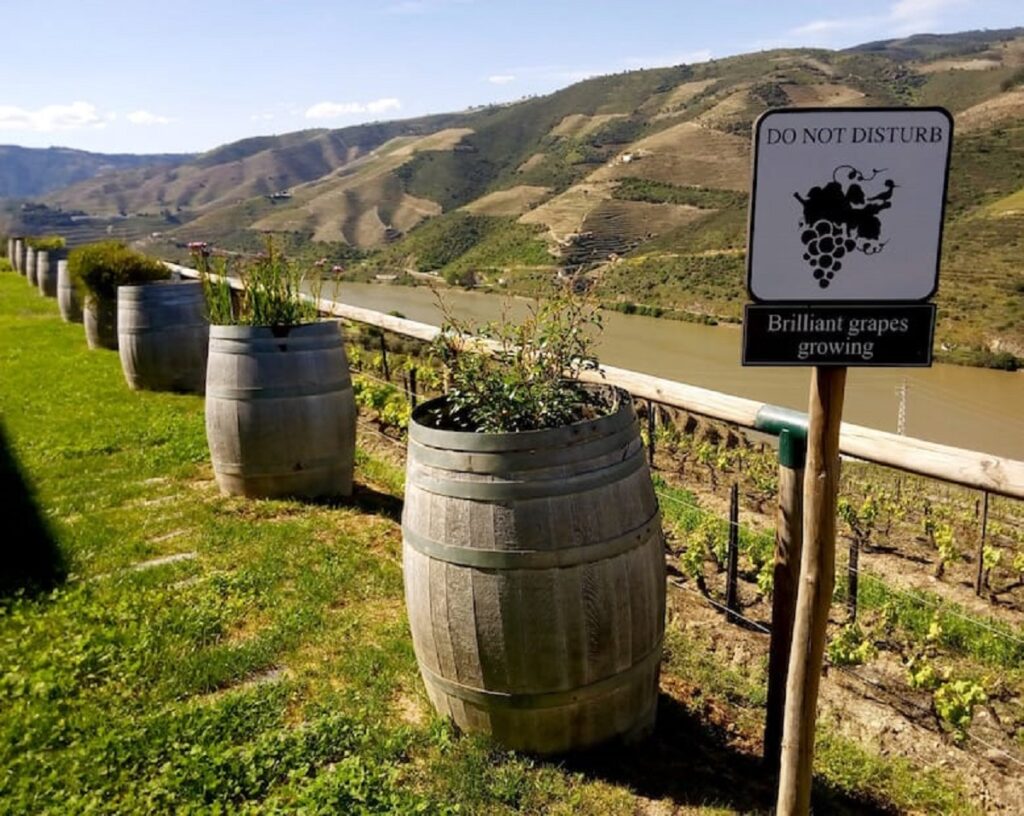
Tucked into the rolling hills of northern Portugal, the Douro Valley is a living, breathing testament to centuries of winemaking artistry. Recognized as one of Europe’s best wine capitals, this valley has long been the heart of Portugal’s wine identity. Its terraced vineyards, carved into the hillsides above the Douro River, are home to native grape varieties like Touriga Nacional and Touriga Franca.
The unique schist-rich soil and sun-soaked climate do more than grow grapes—they infuse every bottle with a complexity that speaks of place and time. Wine journeys here often begin in Porto, where a quick jaunt across the river lands you in Vila Nova de Gaia. The estate is home to historic cellars like Graham’s, Taylor’s, and Caves Cálem.
For those wanting a deeper dive into the region’s culture, spots like Espaço Porto Cruz pair Port wine with fado performances for an experience that is deliciously Portuguese. And if sipping wine while gazing at the vines, the Quinta Nova Luxury Winery House is the place to be. It not only elegant rooms but immersive tours through one of the valley’s most storied estates.
Tuscany, Italy
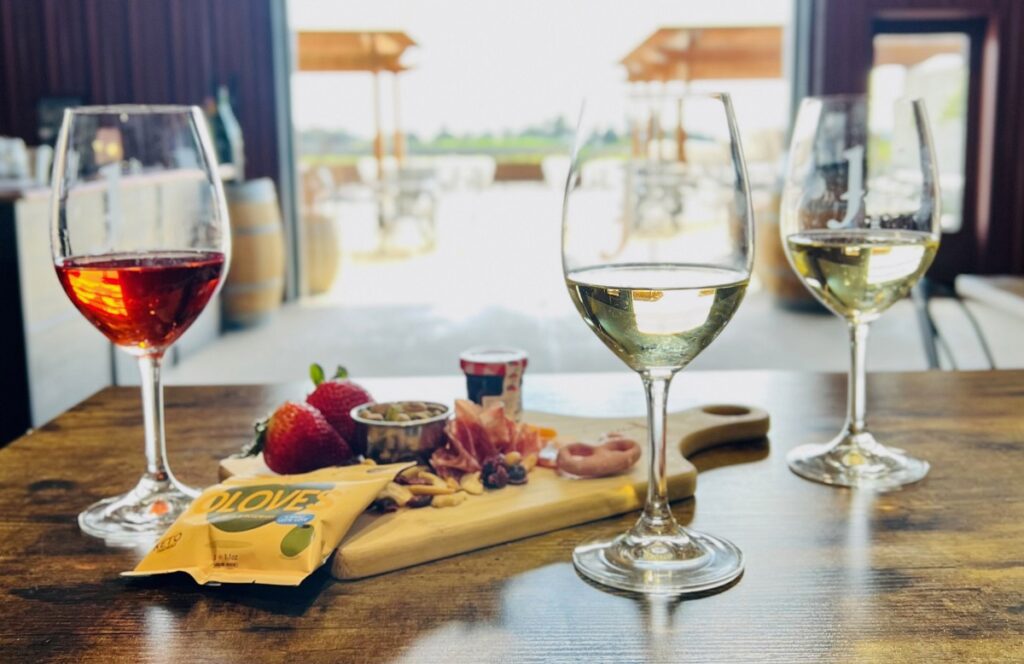
Tuscany is more than just a postcard-perfect region—it’s a full-bodied wine experience waiting to be uncorked. Famed for producing some of Italy’s finest reds like the Brunello di Montalcino and the ever-classic Chianti Classico, Tuscany invites visitors to sip their way through centuries of tradition. Its sun-kissed hills, embroidered with neat rows of vineyards, offer a visual prelude to the flavor waiting in each glass.
Here, the winery tours aren’t just about tasting; they’re about storytelling, where vintners share their passion alongside pours. And once you’ve had your fill of the cellar, the region’s cultural offerings—Renaissance masterpieces, rustic trattorias, and countryside feasts—prove that Tuscany doesn’t just pair well with wine, it completes it.
The Mosel Valley, Germany
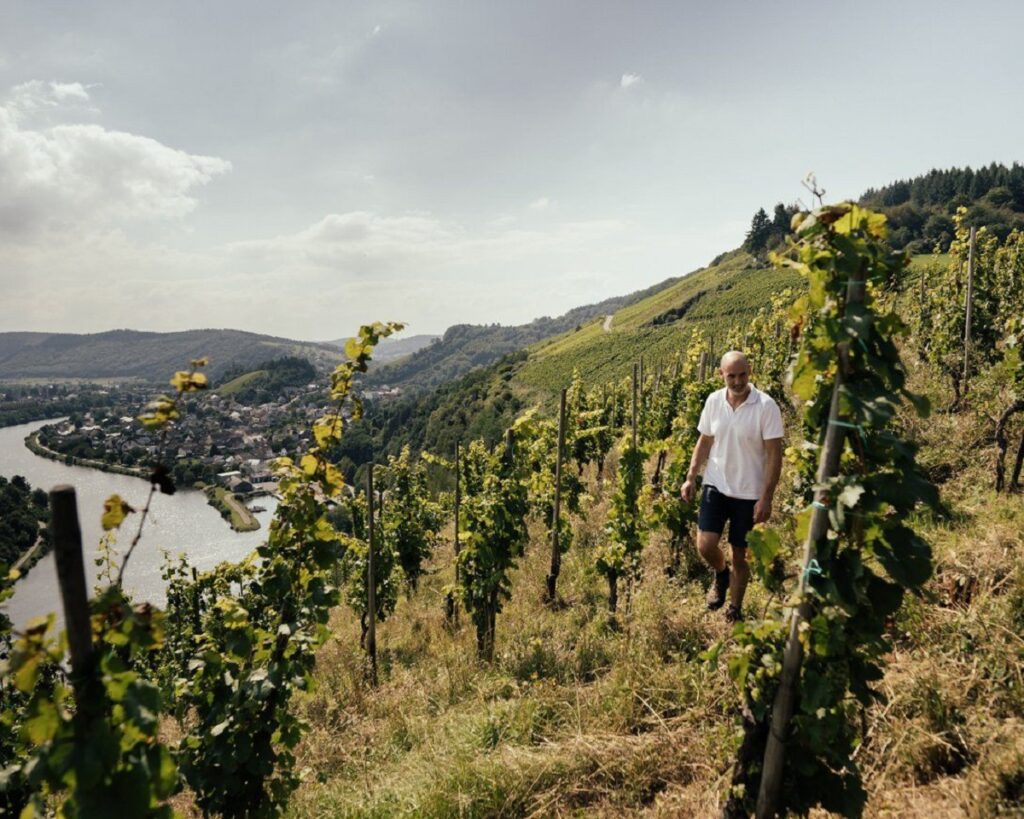
The Mosel Valley in Germany is a wine lover’s dreamscape. Here, steep vineyards cling defiantly to slate-covered hillsides and Riesling is more than just a grape—it’s a way of life. Divided into the Lower, Middle, and Upper Mosel, this region has been perfecting the art of winemaking for over 2,000 years.
Its most daring vineyards, like the gravity-defying Bremmer Calmont, produce some of the most expressive Rieslings in the world. You can also wander through storybook villages like Beilstein, nicknamed “the Sleeping Beauty of the Mosel,” or sample the famously quirky “Black Cat” wine in Zell.
Conclusion
So, there you have it. Europe’s best wine destinations aren’t just places—they’re characters in a drama that’s been aging in oak for centuries. Whether you’re into the pomp of Bordeaux or the eccentricity of Spain, one truth remains: good wine is best when shared, ideally with a view, and always with a story.