Guide to Chagres: Panama’s Incredibly Diverse National Park
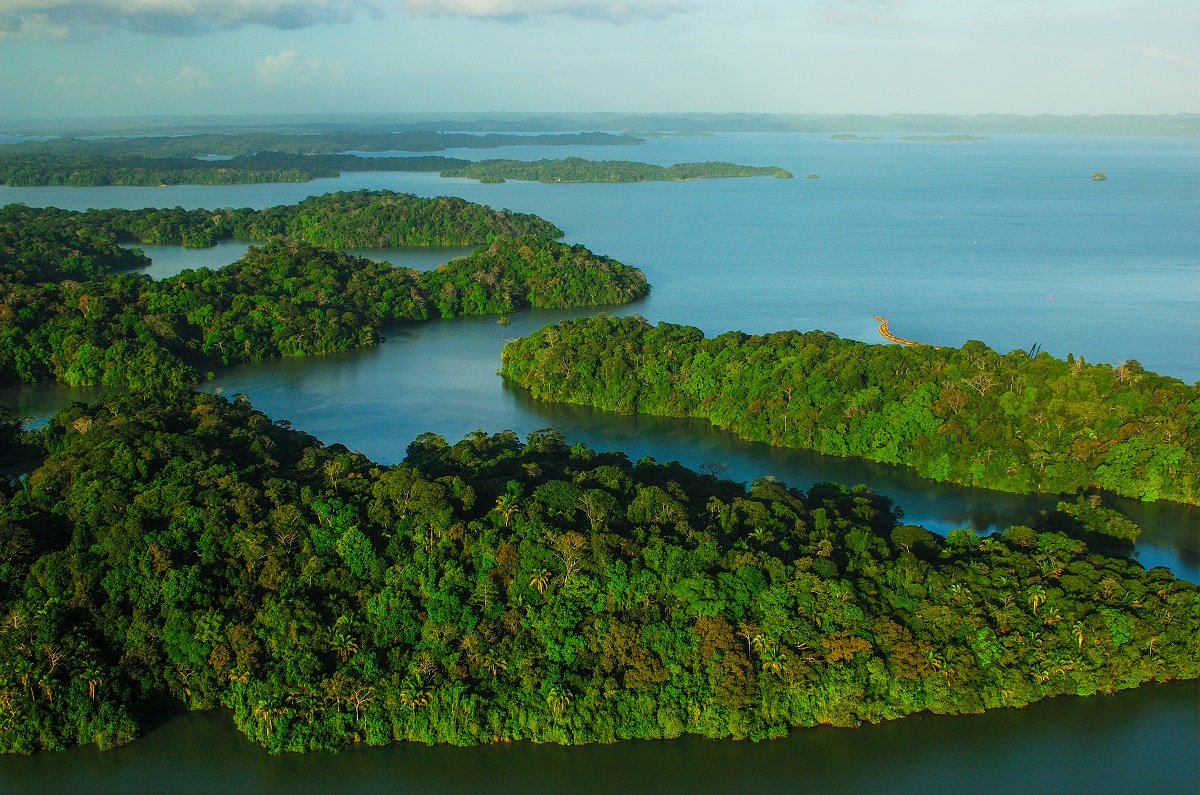
Chagres National Park, located in Panama, is one of the country’s most important and diverse protected areas. The park plays a crucial role in preserving the Chagres River, the primary water source for the Panama Canal. Rich in tropical rainforest, the park provides a sanctuary for an astonishing variety of wildlife, including monkeys, sloths, toucans, and jaguars.
Visitors are drawn to its serene landscapes, winding rivers, and dense forest trails, which offer a glimpse into Panama’s natural heritage. Beyond its ecological significance, Chagres National Park offers a blend of adventure, history, and tranquility that appeals to both nature enthusiasts and curious travelers.
The park’s ecosystem is remarkably diverse, ranging from lowland tropical forests to hilly terrain, creating ideal habitats for a wide array of species. The Chagres River meanders through the park, providing vital water for the Panama Canal and supporting rich aquatic life. Here’s our comprehensive guide to Chagres National Park;
Please Download Our Mobile App here.
Overview of Chagres National Park
Chagres National Park is a vast and ecologically vital area in Panama, encompassing 309,000 acres of tropical rainforest and mountainous terrain. The park is anchored by the Chagres River, which was dammed first in 1914 to create the Panama Canal and later in 1935 to form Lake Alajuela. Covering roughly 12,355 acres, Lake Alajuela plays a crucial role in regulating the level of Lake Gatún.
The water from the park contributes nearly 40% of the canal’s total water supply. In addition, the park serves as an essential source of drinking water for Panama City and Colón. Its highest peak, Cerro Jefe, reaches 3,300 feet, with other prominent peaks including Cerro Azul and Cerro Bruja. The park’s rivers, including the Chagres, Pequeni, and Boquerón, provide excellent opportunities for kayaking, rafting, and fishing.
Chagres National Park also preserves an important historical legacy, with 30 miles of the Camino Real still visible today. This colonial route was once the primary path for transporting goods such as gold and silver across the isthmus before the canal existed. Visitors can also experience the culture of the indigenous Embera tribe living along the upper reaches of Lake Alajuela, gaining insight into traditional life in Panama.
Also Read: Best Resorts in Panama.
Wildlife in Chagres National Park
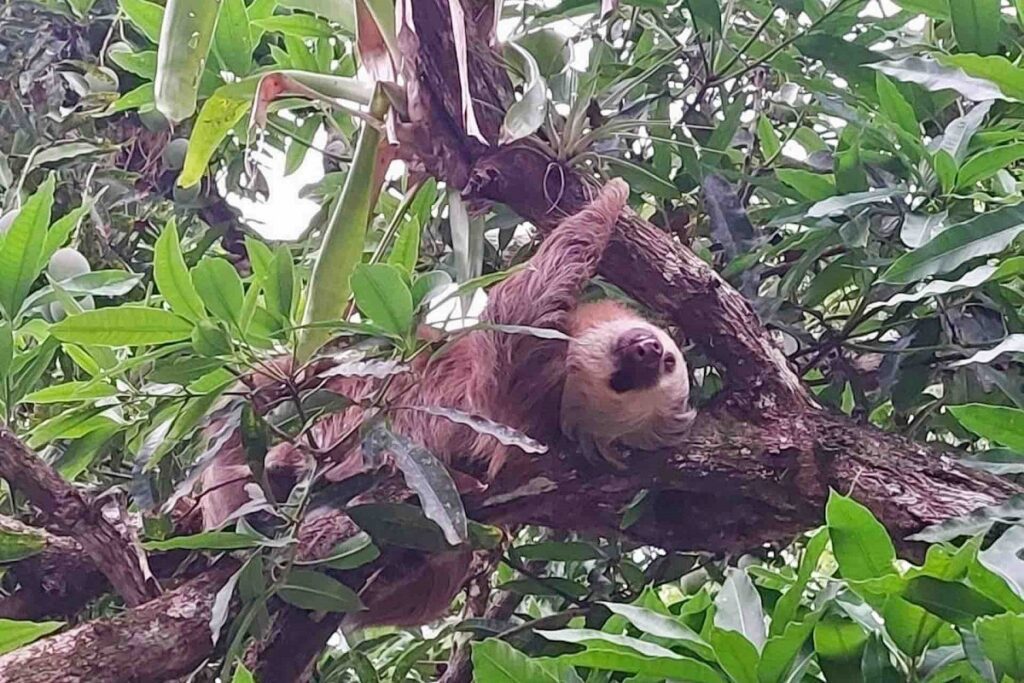
Chagres National Park is home to over 900 plant species, providing essential habitat and food sources for a rich variety of animals. Among its 114 mammal species are Baird’s tapirs, whitetail deer, and a range of primates including howler monkeys, capuchin monkeys, tamarins, and Geoffroy’s spider monkeys.
Big cats roam the park as well, with jaguars, pumas, ocelots, and jaguarundis maintaining their elusive presence. Other mammals such as sloths, coatis, capybaras, and peccaries contribute to the park’s dynamic fauna. Birdlife is equally impressive, with 396 recorded species. Notable birds include harpy eagles, vibrant toucans, tanagers, and hummingbirds, as well as stripe-cheeked woodpeckers and red-legged honeycreepers.
Rivers and waterways support waterbirds, caimans, and otters, creating a lively aquatic ecosystem. Reptiles and amphibians thrive in the park’s humid environment, from iguanas and crocodiles to the endemic Kuna salamander, highlighting the ecological richness of the region.
Best Time to Visit Chagres National Park
The best time to visit Chagres largely depends on the kind of experience you are seeking. For travelers looking to enjoy clear skies, minimal rainfall, and lower humidity, the dry season from December to April offers ideal conditions. During this time, hiking and exploring the park’s diverse ecosystems is much more comfortable. Also, early morning visits are recommended to avoid the midday heat.
On the other hand, the rainy season from May to November presents a different kind of beauty. Waterfalls become more dramatic, and the rainforest is lush and vibrant, making it a spectacular time for photography and nature observation. Morning visits during the rainy months are preferable, as humidity is lower and rain is less frequent, while afternoons can be wet and sticky.
Getting to Chagres National Park

Reaching Chagres National Park from Panama City is relatively straightforward. The park sits roughly 40 miles north of the capital, but because it lacks internal infrastructure and has no roads leading into its interior. Independent travel can be difficult. Most travelers find that joining an organized tour is the most convenient option.
These excursions usually include van transportation from the city followed by a traditional dugout canoe ride along the Chagres River. It is possible to reach the park’s outer limits on your own by using public transport to areas about 60 kilometers north of Panama City. However, navigating beyond that point generally requires the support and guidance of a tour operator to fully access and appreciate the park’s remote landscapes.
Other Activities in Chagres National Park
Beyond wildlife watching and river excursions, Chagres National Park offers several adventurous activities for travelers eager to explore its wilder side. The park’s rugged landscape is perfect for seasoned hikers, especially those drawn to cloud-kissed summits like Cerro Jefe. Rising to about 3,300 feet, this peak rewards visitors with sweeping vistas that even reveal parts of the Panama Canal on clear days.
History lovers can dive into a completely different kind of journey by joining a guided tour along the remnants of the Camino Real. This ancient route was once used to transport treasures across the isthmus. Celebrated by National Geographic as one of the best experiences in South America, this historic trail offers a compelling blend of culture, scenery, and adventure.
Park Fees in Chagres National Park

Chagres National Park charges a modest entrance fee of about $5 per person. Those planning to include a cultural visit to an Embera Village should budget an additional community fee. This is generally around $30 for adults and $15 for children between 6 and 17. Most guided excursions often bundle the park entry and village fees into a single payment.
FAQs
Is Chagres National Park worth visiting?
Chagres National Park is worth visiting, especially for travelers who want a mix of jungle adventure, wildlife encounters, and cultural immersion. The park’s river trips, waterfalls, and hiking trails offer a true taste of Panama’s rainforest. Meeting the Embera people is often a highlight for most visitors.
How long to spend in Chagres National Park?
A single day is usually enough to experience Chagres National Park. Most guided tours last around seven hours and typically includes a canoe ride and time spent in an Embera village. However, the park’s vast rainforest and remote trails can easily fill several days for travelers who want a deeper adventure. Multi-day treks, which may stretch to four days or more, allow you to explore the jungle at a slower pace.
Conclusion
Chagres National Park is a testament to the importance of conservation and the delicate balance between nature and human activity. Its preservation ensures the continued functioning of the Panama Canal and protects countless species of plants and animals. Visitors leave with more than memories of scenic landscapes; they gain an understanding of the vital role these forests play in global ecology.