Guide to Amboro: Bolivia’s Stunning National Park
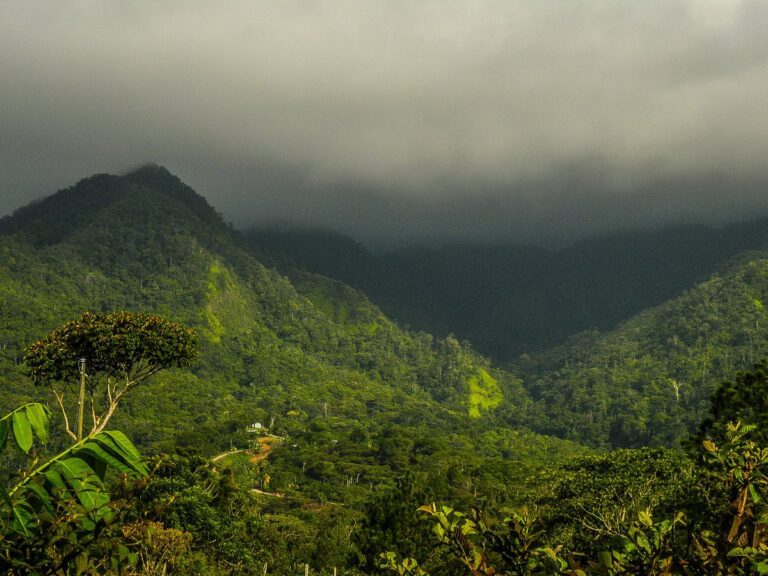
Amboro National Park, located in the heart of Bolivia, is a treasure trove of biodiversity and natural beauty. The park spans across the provinces of Cochabamba and Santa Cruz, and its diverse ecosystems make it one of the most ecologically significant areas in South America. From the high Andean foothills to lush Amazonian lowlands, Amboro showcases a striking variety of landscapes.
Plan this trip with the Secret World app Organizza questo viaggio con l’app Secret World Organiza este viaje con la app Secret World Préparez ce voyage avec l’app Secret World Планируйте это путешествие в приложении Secret World 用 Secret World App 规划这次旅行
🌍 Secret World — the world’s largest digital travel guide, with millions of curated places, itineraries, and local stories. 🌍 Secret World — la più grande guida di viaggio digitale al mondo, con milioni di luoghi selezionati, itinerari e storie locali. 🌍 Secret World — la guía de viaje digital más grande del mundo, con millones de lugares seleccionados, itinerarios e historias locales. 🌍 Secret World — le plus grand guide de voyage numérique au monde, avec des millions de lieux sélectionnés, d’itinéraires et d’histoires locales. 🌍 Secret World — крупнейший в мире цифровой путеводитель с миллионами отобранных мест, маршрутов и локальных историй. 🌍 Secret World —— 全球最大的数字旅行指南,汇集数百万精选景点、行程和本地故事。
See all the places from this guide on an interactive map, save them to your own trip, and discover more hidden spots nearby. Guarda tutti i luoghi di questa guida su una mappa interattiva, salvali nel tuo itinerario e scopri altri posti nascosti nei dintorni. Ve todos los lugares de esta guía en un mapa interactivo, guárdalos en tu propio viaje y descubre más rincones ocultos cerca de ti. Voyez tous les lieux de ce guide sur une carte interactive, enregistrez-les dans votre voyage et découvrez encore plus de pépites cachées à proximité. Смотрите все места из этого гайда на интерактивной карте, сохраняйте их в своё путешествие и находите ещё больше скрытых локаций рядом. 在互动地图上查看本指南中的所有地点,把它们保存到自己的行程,并发现更多附近的隐藏景点。
It features cloud forests, tropical rainforests, and dry valleys, each hosting a unique assemblage of flora and fauna. This incredible diversity has earned Amboro recognition as one of the world’s top biodiversity hotspots. Amboro National Park is not just a haven for wildlife but also a destination for adventurous travelers.
Hiking allows you to explore cloud forests shrouded in mist, hike up to breathtaking viewpoints, and discover hidden waterfalls cascading into natural pools. With so much on offer, it’s no surprise this Bolivian haven is highly rated. Here’s our comprehensive guide to Amboro National Park;
Please Download Our Mobile App here.
Overview of Amboro National Park
Amboro National Park is situated near the geographical midpoint of Bolivia. Covering an expansive 1,709 square miles, Amboro is an ecological gem of nearly half a million hectares. It’s located about 150 kilometers northwest of Santa Cruz de la Sierra. Its location is unique, where three major ecosystems converge: the Amazon Basin, the northern Chaco, and the Andes—a combination found nowhere else in the world.
Elevation in the park ranges from 980 feet to 10,951 feet, with most of the park situated between 3,300 and 6,600 feet. The vegetation is equally varied, with over 3,000 recorded plant species, from the towering bigleaf mahogany and mountain pine to the distinctive giant tree fern.
In the 1960s and early 1970s, the region was unprotected and heavily used by industrial companies for logging and mining. The area was first designated as a natural reserve in 1973, known as the Reserva de Vida Silvestre German Bush. It later became a national park in 1984, initially protecting 180,000 hectares.
It straddles the eastern slopes of the Andes, in the region affectionately called the “Elbow of the Andes.” This provides a dramatic landscape where mountains turn sharply northwestward, creating varied terrains that shape the park’s ecosystems. Amboro is part of a larger bioregion encompassing habitats, including Bolivian montane forest, Chiquitano dry forest, Dru Chaco, Southwest Amazon moist forest, and Yungas.
Wildlife in Amboro National Park


Amboro National Park is a wildlife paradise, offering an incredible array of species thanks to its diverse ecosystems and habitats. The park is particularly renowned for its birds, hosting more than 60% of all bird species in Bolivia. This staggering concentration makes it one of the most sought-after destinations for birdwatchers, with over 800 species recorded within its boundaries.
That’s more than the total number of birds found in the United States and Canada combined. Mammals are also abundant, with 177 species roaming the park. These include iconic animals such as the giant anteater, jaguar, ocelot, cougar, spectacled bear, and caiman. Reptiles and amphibians thrive here as well, with at least 135 reptile species and 173 amphibian species adding to the park’s remarkable biodiversity.
Also Read: Best Resorts in Bolivia.
Best Time to Visit Amboro National Park
The ideal time to visit Amboro National Park is during the dry season, which typically runs from April or May through October or November. During this period, the weather is more stable, making it perfect for hiking and exploring the park’s diverse landscapes. With significantly less rainfall, river crossings become more manageable, and roads that would otherwise be muddy or slippery are safer to navigate.
In contrast, the rainy season (November through March) can make large parts of the park extremely difficult to access, particularly the northern areas. Heavy rains not only hinder access but also create dangerous conditions, making trails treacherous and roads in the southern section muddy, steep, and slippery. Even during the dry season, it is important to monitor the weather closely, as conditions can still change rapidly.
Getting to Amboro National Park

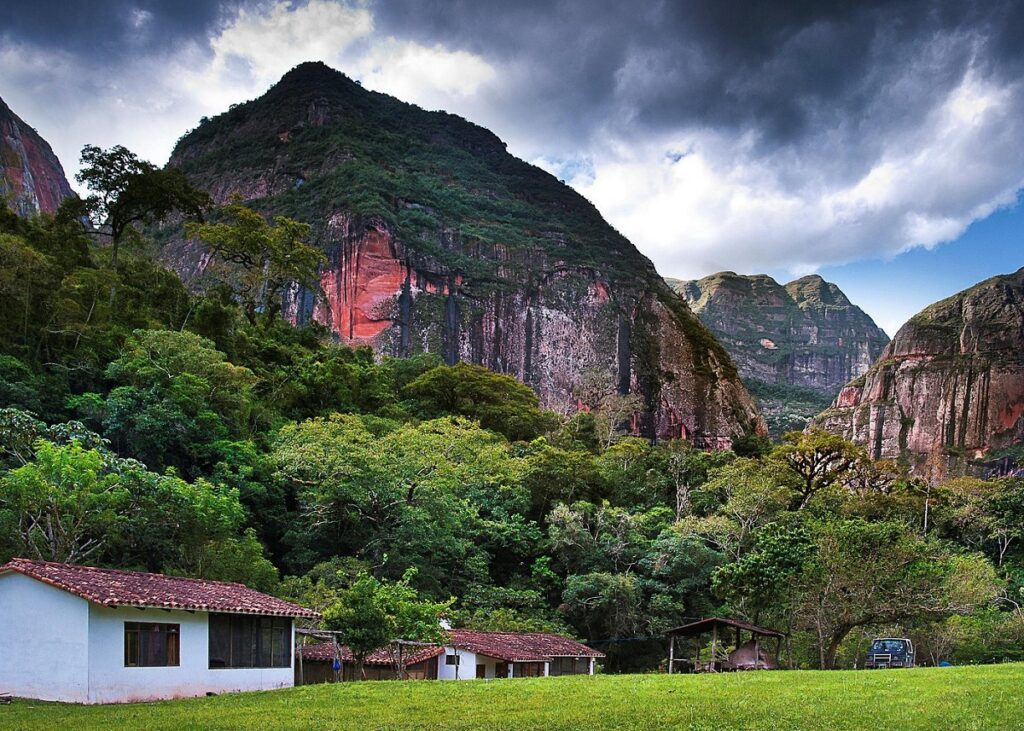
Reaching Amboro National Park requires a bit of planning but is worth the hassle. If you are starting from Sucre, the first step is to get to Santa Cruz, which can be done either by a quick flight or a longer, more budget-friendly bus journey. Once in Santa Cruz, the next leg of the trip is to Samaipata, the main gateway to Amboro.
This stretch can be covered by direct buses that run several times a day or by driving yourself. From Samaipata, there is no direct public transportation to the park, so you’ve to arrange local transport from town to the park entrance. For those seeking a bit of adventure, Samaipata is a starting point for hiking trails that lead into Amboro’s lush and dense forest.
Other Activities in Amboro National Park
Beyond wildlife, Amboro National Park offers a wealth of activities for those seeking adventure and immersion in nature. Explorers can embark on true Indiana Jones-style adventures, navigating through waterfalls, dense rainforest, rugged mountains, and other striking landscapes.
Amboro is also crisscrossed with numerous trails that wind through its forests and scenic vistas. Trekking these paths allows you to connect with the environment, uncover hidden corners of the park, and witness the full diversity of its ecosystems firsthand.
Park Fees in Amboro National Park

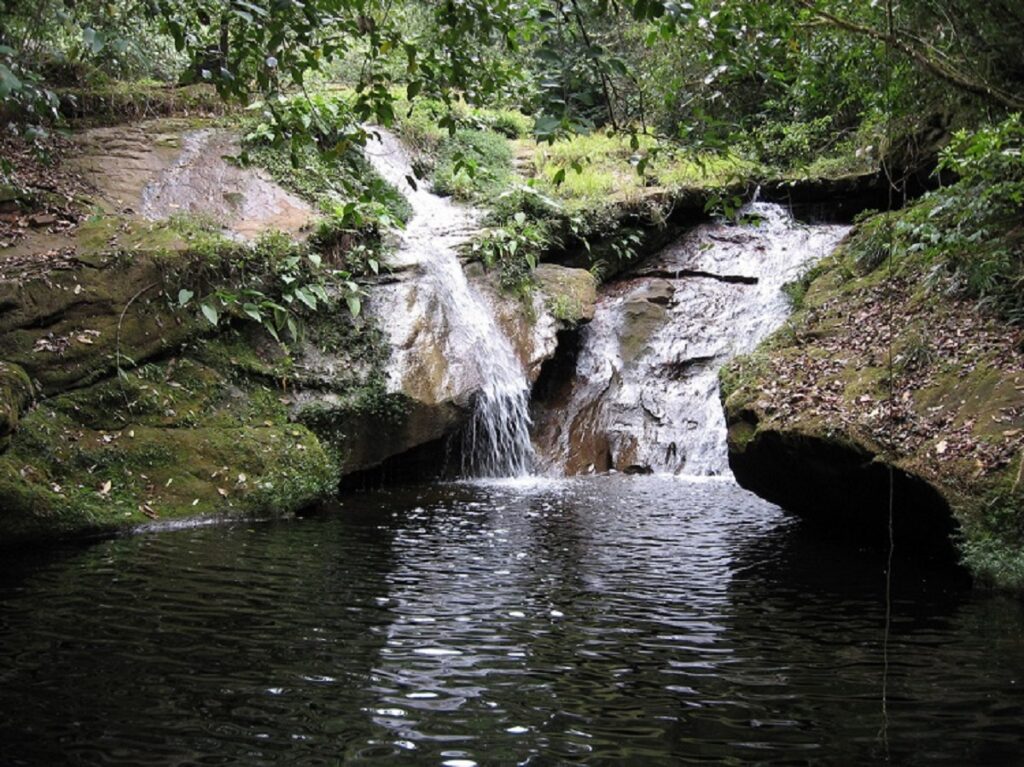
Most visitors explore Amboro through organized guided tours, as the park does not charge a standard entry fee. Instead, fees are linked to specific excursions and experiences within the park. For example, a shorter guided hike through the park’s so-called Jurassic jungle costs around C$17 ($5).
Those seeking a more challenging adventure can opt for the Andes Adventure to El Codo De Los Andes. It’s a longer trek, priced at about C$86 ($26), which provides sweeping mountain views and a deeper exploration of the park’s diverse ecosystems. The tour companies handle all the logistics from park fees to transportation and activities.
FAQs
Is Amboro National Park worth visiting?
Yes, Amboro National Park is absolutely worth a visit. The park’s remarkable biodiversity stems from the intersection of three ecosystems: the Andean foothills, the Amazon Basin, and the Chaco. Visitors can wander through lush cloud forests, marvel at towering fern groves, and take in sweeping landscapes. The chance to encounter a variety of wildlife, from colorful birds to elusive mammals, adds an element of excitement to any trip.
How long to spend in Amboro National Park?
To truly appreciate Amboró National Park, plan anywhere from one full day up to three days exploring its diverse landscapes. If your time is limited, a single-day visit allows for shorter hikes. However, 2-3 days provides the chance to delve deeper into the park’s unique ecosystems, such as the misty cloud forests or the dramatic Serranía Canyon.
Conclusion
Amboro is one of those raw adventures that stick to the crevices of memory. From the adventure of getting there to unique wildlife experiences, the park still flies under the radar. The guided tours make the journey an experience worth remembering.
Take this guide with you on the road Porta questa guida con te in viaggio Lleva esta guía contigo en el viaje Emportez ce guide avec vous sur la route Возьмите этот гид с собой в путешествие 旅途中随身携带本指南
Don’t just read about this place – use this guide while you’re actually there. Non limitarti a leggere di questo luogo: usa questa guida mentre sei davvero lì. No te limites a leer sobre este lugar: usa esta guía mientras estás realmente allí. Ne vous contentez pas de lire sur ce lieu : utilisez ce guide quand vous êtes vraiment sur place. Не просто читайте об этом месте — используйте этот гид, когда вы действительно здесь. 不要只在网上看看这个地方——真正到访时也用这份指南。
- See all these places on a live interactive map
- Vedi tutti questi posti su una mappa interattiva in tempo reale
- Ve todos estos lugares en un mapa interactivo en vivo
- Voyez tous ces lieux sur une carte interactive en temps réel
- Смотрите все эти места на интерактивной онлайн-карте
- 在互动地图上查看所有这些地点
- Save this guide as a trip and edit it on the go
- Salva questa guida come itinerario e modificala in qualsiasi momento
- Guarda esta guía como un viaje y edítala sobre la marcha
- Enregistrez ce guide comme itinéraire et modifiez-le à tout moment
- Сохраняйте этот гид как маршрут и редактируйте его в пути
- 将本指南保存为自己的行程,并随时编辑
- Discover more hidden spots around you with one tap
- Scopri altri posti nascosti intorno a te con un solo tap
- Descubre más rincones ocultos a tu alrededor con un solo toque
- Découvrez encore plus de lieux cachés autour de vous en un seul clic
- Находите ещё больше скрытых локаций вокруг одним касанием
- 一键发现你周围更多隐藏景点