Guide to Coiba: Panama’s Pristine National Park
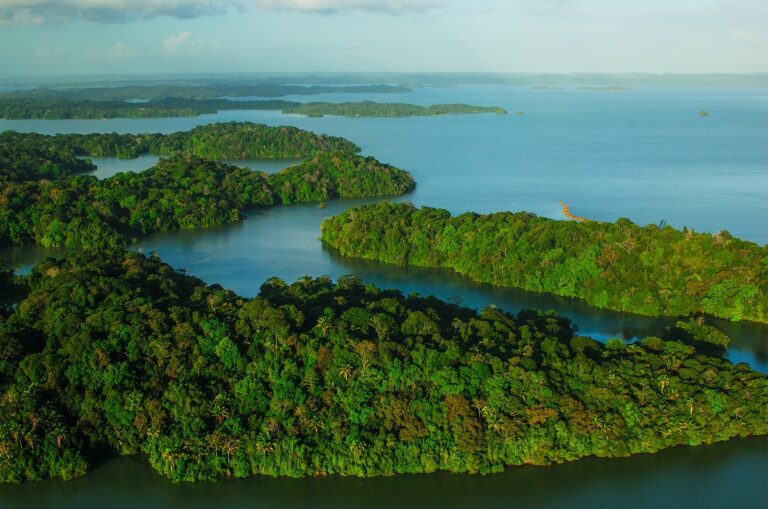
A UNESCO World Heritage Site off the Pacific coast of Panama, Coiba is one of Central America’s last truly wild marine frontiers. Once the site of a remote penal colony, the island and its surrounding waters evolved into a sanctuary for rare wildlife, lush tropical forests, and world-class diving.
Plan this trip with the Secret World app Organizza questo viaggio con l’app Secret World Organiza este viaje con la app Secret World Préparez ce voyage avec l’app Secret World Планируйте это путешествие в приложении Secret World 用 Secret World App 规划这次旅行
🌍 Secret World — the world’s largest digital travel guide, with millions of curated places, itineraries, and local stories. 🌍 Secret World — la più grande guida di viaggio digitale al mondo, con milioni di luoghi selezionati, itinerari e storie locali. 🌍 Secret World — la guía de viaje digital más grande del mundo, con millones de lugares seleccionados, itinerarios e historias locales. 🌍 Secret World — le plus grand guide de voyage numérique au monde, avec des millions de lieux sélectionnés, d’itinéraires et d’histoires locales. 🌍 Secret World — крупнейший в мире цифровой путеводитель с миллионами отобранных мест, маршрутов и локальных историй. 🌍 Secret World —— 全球最大的数字旅行指南,汇集数百万精选景点、行程和本地故事。
See all the places from this guide on an interactive map, save them to your own trip, and discover more hidden spots nearby. Guarda tutti i luoghi di questa guida su una mappa interattiva, salvali nel tuo itinerario e scopri altri posti nascosti nei dintorni. Ve todos los lugares de esta guía en un mapa interactivo, guárdalos en tu propio viaje y descubre más rincones ocultos cerca de ti. Voyez tous les lieux de ce guide sur une carte interactive, enregistrez-les dans votre voyage et découvrez encore plus de pépites cachées à proximité. Смотрите все места из этого гайда на интерактивной карте, сохраняйте их в своё путешествие и находите ещё больше скрытых локаций рядом. 在互动地图上查看本指南中的所有地点,把它们保存到自己的行程,并发现更多附近的隐藏景点。
Its isolation has preserved ecosystems that have disappeared elsewhere, making Coiba a destination where travelers can witness nature in its rawest form. From dense jungle trails to shark-filled dive sites, the park promises both adventure and profound tranquility, offering a glimpse of what untouched wilderness once looked like. Here’s our comprehensive guide to Coiba National Park;
Please Download Our Mobile App here.
Overview of Coiba National Park
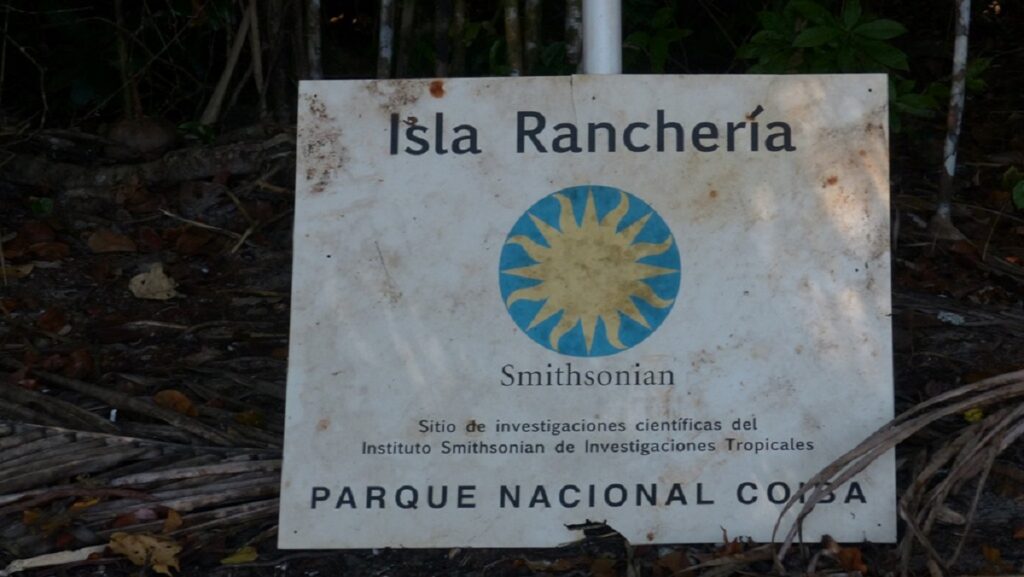
Located on the Pacific coast of Panamá, Coiba National Park encompasses more than 270,000 hectares of forests, islands, mangroves, and vibrant marine ecosystems. It’s one of the most biodiverse areas in the tropics and a top destination for ecotourism in the country. The Smithsonian Tropical Research Institute and local communities have all worked together to create a model of responsible tourism.
Visitor access is carefully managed to protect both terrestrial and marine habitats, while supporting research, environmental education, and a deeper respect for biodiversity. Coiba’s history as a former penal colony on Isla Coiba contributed to the preservation of its natural resources. The restricted access at the time allowed around 80 percent of the island’s ecosystems to thrive with minimal human disturbance.
Today, as a UNESCO World Heritage Site since 2005, the park adheres to strict international standards for conservation, monitoring, and sustainable use. Through its combination of protected forests, pristine beaches, and extraordinary marine habitats, Coiba National Park offers a rare glimpse into a largely untouched tropical paradise.
Also Read: Best Resorts in Panama.
Wildlife in Coiba National Park


Coiba National Park is one of Panama’s richest natural sanctuaries. Its surrounding waters are renowned for large populations of sharks, including hammerhead sharks, tiger sharks, and the occasional whale shark. Snorkelers will also swim alongside numerous species of rays such as manta rays, eagle rays, and stingrays.
The park also serves as a vital migration and breeding ground for whales and dolphins, including humpback whales, pilot whales, and several dolphin species. Sea turtles, including green turtles, hawksbill turtles, and olive ridley turtles, rely on Coiba’s beaches for nesting. The coral reefs teem with thousands of fish species, from small reef fish to larger pelagic predators.
Invertebrates like octopuses, lobsters, and sea stars further enrich the marine ecosystem. On land, Coiba’s dense forests are alive with tropical life. Mantled howler monkeys swing through the canopy, while white-tailed deer, agoutis, and opossums roam the forest floor.
The park is a haven for more than 30 bat species and over 145 species of birds, earning it the designation of an Important Bird Area. Among its avian residents are scarlet macaws, one of the last healthy populations in the region, as well as toucans, crested eagles, herons, parrots, and a variety of flycatchers. Reptiles, including crocodiles and iguanas, also thrive in the island’s rainforest habitats.
Best Time to Visit Coiba National Park
The best time to visit Coiba National Park depends largely on what you hope to experience. For travelers seeking calm seas, clear skies, and optimal hiking conditions, the dry season from December to April is ideal. During this period, diving and snorkeling visibility is excellent, trails remain dry and accessible. Also, there is a strong chance of encountering whale sharks and large schools of hammerhead sharks.
However, this is also the busiest and most expensive time to visit. On the other hand, the rainy or green season, from May to November, offers a quieter, more affordable experience with strikingly lush landscapes. This season is particularly rewarding for wildlife enthusiasts, as humpback whales are most commonly seen between July and October.
Whale sharks are more frequently spotted from June to September, though they can appear at other times as well. Rougher seas and sporadic rain may affect some tours, but the opportunity to witness nature in its vibrant, thriving state makes it worthwhile. Manta rays can be observed throughout the year, making any visit potentially extraordinary.
Getting to Coiba National Park

Reaching Coiba National Park from Panama City offers a few different options, depending on your priorities for speed or budget. The quickest route is to fly from Panama City to the Lago Bay Airstrip near Santa Catalina. Once you land, a short 15-minute shuttle will take you to your tour boat, making this method the most convenient and time-efficient, with the flight itself taking roughly an hour.
For travelers looking to save money or enjoy a scenic road trip, it is possible to drive or take a bus to Santa Catalina, the main gateway to the park. Driving typically takes 5 to 6 hours along the Pan-American Highway. The bus requires two connections: first from Panama City’s Albrook Bus Terminal to Soná, then from Soná to Santa Catalina, totaling about 7 to 8 hours.
From Santa Catalina, visitors can arrange a boat tour to Coiba National Park, which usually takes around an hour and fifteen minutes. Other departure points include Pixvae, the closest port to the island, and Puerto Mutis. However, Santa Catalina remains the most popular choice thanks to its range of accommodation options and diving centers.
Other Activities in Coiba National Park
Beyond its remarkable wildlife and landscapes, Coiba National Park offers a wealth of activities for adventurous visitors. Snorkeling and diving in the park’s crystal-clear waters reveal a vibrant underwater world. While here, you can swim alongside sharks, manta rays, sea turtles, playful dolphins, and dazzling schools of tropical fish.
With 31 renowned dive sites, Coiba is considered one of the premier diving destinations along Panama’s Pacific coast. Surfing enthusiasts will find hidden gems among the islands, where excellent waves provide the perfect playground for honing skills. On the mainland, hiking trails wind through mangroves, swamps, and lush tropical forests, leading to secluded beaches of soft white and golden sand that seem untouched by time.
Birdwatchers also have much to explore, as Coiba is recognized as an Important Bird Area. The park hosts over 147 species, including one of the last healthy populations of scarlet macaws, as well as toucans, herons, and numerous endemic tropical Pacific birds.
Park Fees in Coiba National Park

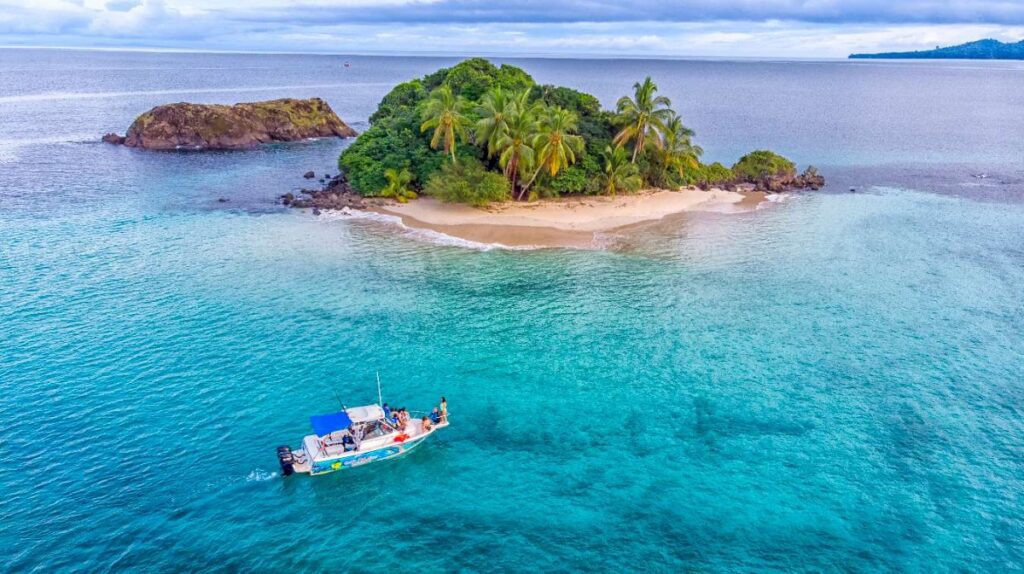
Coiba National Park charges international travelers $20 while Panamanians and residents pay a reduced fee of $5. Many tour operators across Panama organize ecotours, fishing trips, and scuba diving excursions to the park. They can help you secure the necessary permits.
FAQs
Is Coiba National Park worth visiting?
Yes, Coiba National Park is definitely worth visiting. The park offers exceptional opportunities for diving and snorkeling, allowing visitors to encounter an impressive array of marine life, including sharks, rays, sea turtles, and even whales. On land, the island is home to remarkable wildlife such as the Scarlet Macaw and several endemic monkey species, making it a haven for wildlife enthusiasts and photographers alike.
How long to spend in Coiba National Park?
For those seeking a brief introduction, a one-day tour allows you to see the highlights and enjoy a taste of the park’s natural beauty. If you want a more well-rounded experience, a five-day trip provides a good balance of activities, including wildlife observation, snorkeling, and light hiking.
Conclusion
Coiba National Park is far more than an island escape; it is a reminder of the natural richness that thrives when ecosystems are allowed to remain untouched. Its blend of dense forests, rare wildlife, and extraordinary marine habitats offers one of the most complete wilderness experiences in Panama.
Take this guide with you on the road Porta questa guida con te in viaggio Lleva esta guía contigo en el viaje Emportez ce guide avec vous sur la route Возьмите этот гид с собой в путешествие 旅途中随身携带本指南
Don’t just read about this place – use this guide while you’re actually there. Non limitarti a leggere di questo luogo: usa questa guida mentre sei davvero lì. No te limites a leer sobre este lugar: usa esta guía mientras estás realmente allí. Ne vous contentez pas de lire sur ce lieu : utilisez ce guide quand vous êtes vraiment sur place. Не просто читайте об этом месте — используйте этот гид, когда вы действительно здесь. 不要只在网上看看这个地方——真正到访时也用这份指南。
- See all these places on a live interactive map
- Vedi tutti questi posti su una mappa interattiva in tempo reale
- Ve todos estos lugares en un mapa interactivo en vivo
- Voyez tous ces lieux sur une carte interactive en temps réel
- Смотрите все эти места на интерактивной онлайн-карте
- 在互动地图上查看所有这些地点
- Save this guide as a trip and edit it on the go
- Salva questa guida come itinerario e modificala in qualsiasi momento
- Guarda esta guía como un viaje y edítala sobre la marcha
- Enregistrez ce guide comme itinéraire et modifiez-le à tout moment
- Сохраняйте этот гид как маршрут и редактируйте его в пути
- 将本指南保存为自己的行程,并随时编辑
- Discover more hidden spots around you with one tap
- Scopri altri posti nascosti intorno a te con un solo tap
- Descubre más rincones ocultos a tu alrededor con un solo toque
- Découvrez encore plus de lieux cachés autour de vous en un seul clic
- Находите ещё больше скрытых локаций вокруг одним касанием
- 一键发现你周围更多隐藏景点