
Guide to Chapada dos Guimarães: Brazil’s Dramatic National Park
Chapada dos Guimarães National Park is a destination where nature seems to have sculpted the landscape with dramatic flair. Located in the state of Mato Grosso, just an hour’s drive from the capital city of Cuiabá, the park is often considered one of the country’s hidden gems.
The park protects an extraordinary mix of savanna, forest, and striking sandstone formations, making it both a geological wonder and a biodiversity hotspot. Visitors are drawn not only by its natural beauty but also by the sense of tranquility that permeates its vast plateaus and valleys.
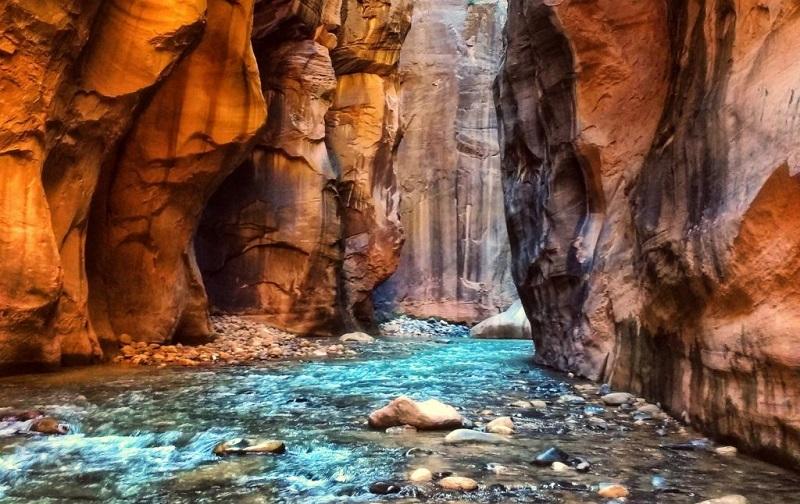
It is also famous for its red-hued cliffs and expansive vistas that stretch as far as the eye can see. One of the most iconic sights is the Véu de Noiva Waterfall, a stunning cascade that plunges into a canyon framed by lush greenery. Here’s our comprehensive guide to Chapada dos Guimarães National Park;
Please Download Our Mobile App here.
Overview of Chapada dos Guimarães National Park
Chapada dos Guimarães National Park, situated on the western side of central Brazil, marks what is considered the geographical heart of South America. Covering 125.4 square miles (326.18 sq km), the park is part of the vast Pantanal Biosphere Reserve.
It shares its ecological importance with neighboring parks such as Emas, Pantanal Matogrossense, and Serra da Bodoquena. Its landscapes are often compared to the American Southwest, with sheer red-rock cliffs, winding canyons, and striking waterfalls shaping its rugged terrain.
The sandstone formations rise between 2,000 and 2,600 feet (600 to 800 m) forming the Guimarães plateau. The plateau serves as a natural divide between the Paraguay and Amazon river basins. While much of the park features dry, scrubby vegetation, its plains, forests, and elevated habitats provide rich biodiversity within the Pantanal ecosystem.
The park is also known for its cultural history through more than 40 archaeological sites with cave paintings and fossils. In addition, Chapada dos Guimarães carries an air of mystique, with stories of UFOs, gnomes, and fairies adding to its reputation as a magical and otherworldly destination. However, such sightings remain the stuff of legend.
Also Read: Best Resorts in Brazil.
Wildlife in Chapada dos Guimarães National Park

Chapada dos Guimarães is a sanctuary for an extraordinary variety of wildlife, supported by the richness of the Cerrado ecosystem. Among the park’s most celebrated inhabitants are mammals such as the maned wolf, the giant anteater, the Brazilian tapir, and the pampas deer. Other mammals like the capybara, ocelot, armadillo, and the black-and-gold howler monkey add to the diversity.
Birdlife is equally impressive, with vibrant red-and-green macaws, the iconic toco toucan, and the striking red-legged seriema often spotted striding through open fields. You’ll also discover less familiar species such as the white-rumped tanager, collared crescentchest, rufous-winged antshrike, and the nocturnal scissor-tailed nightjar.
Reptiles and amphibians thrive in the waterways and wetlands, including the crowned caiman, yellow anaconda, water snakes, and various fish species. Together, these species create a dynamic and balanced ecosystem, making the park one of Brazil’s most important refuges for biodiversity.
Best Time to Visit Chapada dos Guimarães National Park
The best time to visit Chapada dos Guimarães largely depends on the kind of experience you are looking for. Most travelers favor the dry season (April to September) as it offers clear skies, excellent visibility from the viewpoints, and safe, accessible trails. Hiking is especially rewarding during these months, and photographers will appreciate the unobstructed views of the park’s dramatic cliffs and plateaus.
The only drawback is that waterfalls tend to diminish in volume toward the end of the season, though most still maintain enough flow to be enjoyed. On the other hand, the rainy season (October to April) transforms the park into a lush, green paradise with waterfalls at their most powerful. This period is ideal for those who don’t mind the heat, humidity, and heavy rains.
It also comes with risks such as flooded or slippery trails and cloudy skies that may hide the panoramic vistas. For those seeking a compromise, the transition months of March, June, September, and October can provide a balance. These months provide a mix of greenery, water flow, and manageable weather, although conditions can be unpredictable.
Getting to Chapada dos Guimarães National Park
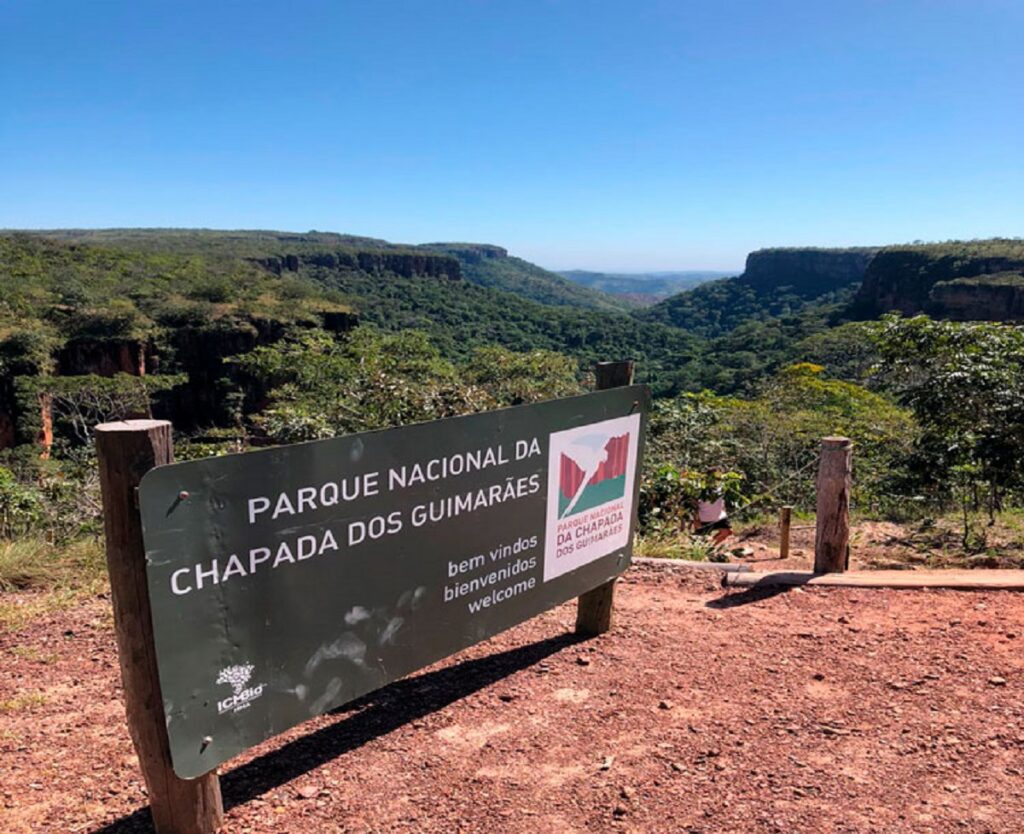
Getting to Chapada dos Guimarães is a journey that combines air, road, and off-road travel. The first step is to fly from Brasília to Cuiabá, landing at Presidente Prudente Airport, which serves as the main gateway to the region. Once in Cuiabá, you can either take a bus to the town of Chapada dos Guimarães (usually lasts about an hour) or opt for a taxi or rideshare service.
Many of the trails and viewpoints within the park are tucked away in remote areas with sandy tracks. Because of this, hiring a certified guide is essential, not only for navigating the terrain but also for arranging the mandatory online registration with park authorities. A sturdy 4×4 vehicle is also required to handle the rugged conditions and ensure access to the park’s most spectacular sites.
Other Activities in Chapada dos Guimarães National Park
Chapada dos Guimarães National Park is home to more than 40 archaeological sites, where ancient cave paintings, fossils, and other remnants. Hiking is one of the most rewarding ways to experience the park. There are trails that wind through rugged terrain, past dramatic sandstone cliffs, and into valleys punctuated by waterfalls.
Among these, the Véu de Noiva, or Bridal Veil Falls, stands out as the most spectacular, tumbling 295 feet into a verdant canyon. For those seeking expansive views, Morro dos Ventos provides a stunning overlook where the vast valley, the distant Pantanal wetlands, and even the city of Cuiabá spread out below.
Other highlights include; the jagged Cidade de Pedra and the scenic trails of Vale do Rio Claro. The latter require permits but reward hikers with some of the most dramatic landscapes in the park.
Park Fees in Chapada dos Guimarães National Park
Chapada dos Guimarães National Park charges no admission fees for visitors.
FAQs
Is Chapada dos Guimarães National Park worth visiting?
Yes, Chapada dos Guimarães is absolutely worth visiting. The park is famous for its towering red sandstone cliffs, deep canyons, mysterious caves, and an abundance of waterfalls. What makes it even more special is how its rugged terrain contrasts with the vast wetlands of the Pantanal just a short distance away. It’s an opportunity for travelers to experience two very different ecosystems in one trip.
How long to spend in Chapada dos Guimarães National Park?
Spending one or two nights in the town of Chapada dos Guimarães is enough to get a good introduction to the national park. This allows time to join a guided tour that typically includes highlights such as waterfalls, caves, and dramatic viewpoints. If you’re the type who enjoys a relaxed pace, set aside two full days.
Conclusion
Chapada dos Guimarães National Park is not just a scenic retreat but also a vital conservation area that highlights the fragile beauty of Brazil’s cerrado biome. For travelers seeking a mix of dramatic landscapes, abundant wildlife, and cultural heritage, it is a destination that offers a complete and unforgettable experience.