
Guide to Chiloe: Chile’s Extraordinary National Park
Found on the misty and enchanting Chiloé Island off the southern coast of Chile, Chiloe National Park is a haven for nature lovers and adventurers. Known for its dense temperate rainforests, rugged coastline, and abundant wildlife, the park offers a unique glimpse into one of the most biodiverse regions of Chile.
Its landscapes are a blend of moss-covered forests, crystal-clear rivers, and dramatic cliffs that plunge into the Pacific Ocean, creating a setting that feels both wild and serene. The park’s temperate rainforests are home to an extraordinary variety of flora, including ancient alerce trees, some of which are thousands of years old.
These forests provide shelter to native wildlife such as the pudú, the world’s smallest deer. Visitors to Chiloe National Park can explore a network of well-maintained trails that range from short walks to multi-hour hikes. Here’s our comprehensive guide to Chiloe National Park;
Please Download Our Mobile App here.
Overview of Chiloe National Park
Located on the western side of Chiloe Island in southern Chile, Chiloe National Park covers an impressive 166.4 square miles (431 square kilometers). It showcases the unique landscapes of the Isla Grande de Chiloé. Established in 1982, the park spans 43,057 hectares (94,725 acres) and is divided into two main sections: Chepu and Abtao.
Chepu is located in the district of Ancud while Abtao falls within the districts of Castro, Chonchi, and Dalcahue. The park is part of the Chilean Coastal Range, a mountain chain running parallel to the Andes. It dominates much of the terrain and contributes to the dramatic coastal scenery.
Among the park’s most appealing spots is the Chanquín area, home to the picturesque Cucao Lake and coastal dunes. The mouth of the Abtao River offers diverse vegetation and serene waters, while Metalqui Island hosts a lively colony of sea lions. Huelde Lake is another accessible gem. The Cole-Cole area north of Punta Huentemó features a beach ideal for fishing, walking, and horseback riding.
Chiloe is renowned for its dense and lush Valdivian rainforest, dominated by perennial evergreen trees such as southern beech and ancient alerce trees. The forest is thick with shrubs and climbing plants. The foothills are dotted with bogs and swamps that add to the park’s ecological diversity. These forested landscapes and wetland ecosystems make Chiloe National Park a vital refuge for wildlife.
Also Read: Best Resorts in Chile.
Wildlife in Chiloe National Park

Chiloe National Park is a remarkable haven for wildlife. On land, the dense forests provide refuge for the pudú deer, South America’s smallest deer, as well as the rare kodkod, the continent’s tiniest wild cat. The endangered Darwin’s fox also finds one of its last strongholds here. The damp, mossy undergrowth teems with various frogs and other amphibians that thrive in the humid environment.
The park’s diverse birdlife adds another layer of fascination. These include; the rainforest’s chucao tapaculo, black-throated huet-huet, and slender-billed parakeet. In the park’s wetlands, you’ll find species such as black-necked swans and Chilean flamingos found in areas like the Caulín Bird Sanctuary.
Along the coast, the park’s shores and nearby waters support an equally impressive array of wildlife. You’ll spot South American sea lions basking on sand dunes, playful dolphins navigating the waves, and even the massive blue whales. Whales visit the fjords of the Gulf of Corcovado to nurse their young. The surrounding waters are also frequented by migrating finbacks, sei whales, southern-right whales, and humpback whales.
Penguins are another highlight. The Puñihuil Penguin Colony, where Magellanic and Humboldt penguins breed side by side—a rare and captivating sight for wildlife enthusiasts. Seabirds such as kelp geese and Peruvian pelicans further enrich the coastal experience.
Best Time to Visit Chiloe National Park
The best time to visit Chiloe National Park is during the summer months, December to March. During this window, temperatures are at their warmest and rainfall is at its lowest. This period is ideal for exploring the park’s lush landscapes and observing its wildlife, including the nesting penguin colonies that dot the coastline.
Summer also coincides with local festivals where visitors can enjoy traditional food, music, and cultural celebrations. However, it is also the peak tourist season, so larger crowds and higher accommodation prices should be expected. For those seeking a quieter experience with still-pleasant weather, the shoulder months of October–November and March–April provide a great alternative.
During these periods, travelers can enjoy the park’s natural beauty and coastal charm without the summer rush. However, some guesthouses and guided tours may be closed. The remaining months, from May to September, fall within the wet season. The torrential weather makes trails slippery and exploration more challenging.
Getting to Chiloe National Park

Getting to Chiloe National Park from Santiago is most efficiently done by air. Travelers can catch a flight from Santiago International Airport to El Tepual International Airport in Puerto Montt, which significantly shortens travel time compared to overland routes. Once in Puerto Montt, you’ll have several options to continue your journey to the park.
Buses departing from the city’s Terminal Municipal provide regular service to towns on Chiloé Island, such as Ancud. There are also private transfers for a more direct and comfortable ride to the park entrance or nearby accommodations. Upon reaching the island, interprovincial buses and local ferries help visitors access the more remote sections of the national park.
Driving from Santiago to Chiloé is also possible, though it is a much longer journey and often requires multiple days. The trip involves crossing the Chacao Channel by ferry to reach the island. From there, buses and smaller ferries can be used to navigate between towns and reach various entrances to Chiloe National Park.
Other Activities in Chiloe National Park
One of the most remarkable experiences is whale watching, where you’ll witness the world’s largest whale along with other species. The park’s marine areas, including Lake Cucao and Metalqui Island, are particularly inviting for wildlife observation. Lake Cucao, situated in the Chanquin region, is surrounded by coastal sand dunes, while Metalqui Island’s shores are often visited by sea lions, creating a vibrant coastal ecosystem.
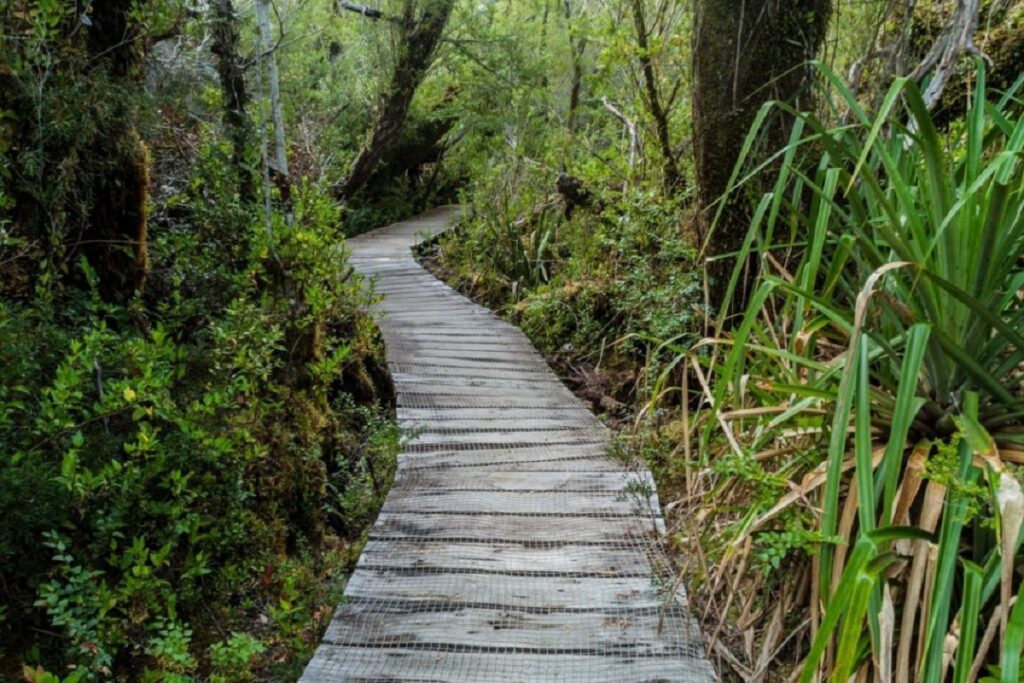
These areas also feature some of the region’s most stunning landscapes, perfect for photography, walking, or simply soaking in the scenery. The beaches in the park provide opportunities for leisurely strolls, horseback riding, and fishing. Hiking remains a popular activity, with numerous trails that allow visitors to explore the diverse terrain at their own pace.
Beyond outdoor activities, Chiloe is also renowned for its rich culinary traditions, influenced by both the indigenous Mapuche culture and Spanish settlers. You’ll indulge traditional dishes like curanto (a hearty soup made with meat, sausages, seafood, and potatoes), chapaleles and milcao (potato-based specialties cooked in curanto broth).
Park Fees in Chiloe National Park
Chiloe National Park charges various admission fees depending on nationality. For foreign visitors, the fee is CLP $4,000 while Chilean residents and locals pay a reduced rate of CLP $2,000 ($2.5).
FAQs
Is Chiloe National Park worth visiting?
Yes, Chiloe National Park is definitely worth a visit. The park is celebrated for its rich biodiversity, where visitors can encounter an array of native plants and animals, including the rare and charming Pudu deer. Its network of easy-to-moderate hiking trails allows travelers to explore the lush landscapes at a comfortable pace.
How long to spend in Chiloe National Park?
To truly appreciate Chiloe National Park, plan at least 7 to 8 hours, which allows you to experience the park’s main attractions. This timeframe is ideal for hiking the primary trails, spotting wildlife, and soaking in the park’s iconic landscapes. If you want a deeper immersion, plan 3 to 5 days. This is plenty of time to explore the island’s distinctive cultural sites, visit nearby smaller islands, and enjoy a broader range of natural settings.
Conclusion
Overall, Chiloe National Park is a destination that appeals to both adventure seekers and those looking for tranquility amidst unspoiled nature. Its combination of unique wildlife, ancient forests, and rich cultural backdrop makes it one of Chile’s most captivating national parks.