
Guide to Dovrefjell Sunndalsfjella: Norway’s Rugged National Park
Dovrefjell-Sunndalsfjella National Park is a majestic expanse of untamed wilderness, steeped in history, rich in biodiversity, and defined by its rugged, mountainous terrain. Spanning across the counties of Trøndelag, Møre og Romsdal, and Innlandet, the park is a sanctuary for unique flora and fauna. It’s also a refuge for those seeking solitude amid awe-inspiring natural landscapes.
One of the park’s most iconic inhabitants is the musk ox, a prehistoric animal that roams the tundra-like plateaus of Dovrefjell. These shaggy beasts, reintroduced to the region in the 20th century, have become emblematic of the area and draw wildlife enthusiasts from across the globe. Here’s our comprehensive guide to Dovrefjell Sundalsfjella National Park;
Please Download Our Mobile App here.
Overview of Dovrefjell Sundalsfjella National Park
Dovrefjell Sunndalsfjella National Park is situated in the rugged landscapes of Norway. The park spans 654 square miles (1,693 square kilometers) and serves as the core of one of the country’s most extensive protected wilderness areas. When combined with ten surrounding conservation zones, including two designated biotopes, the total area of safeguarded terrain reaches an impressive 1,686 square miles (4,366 square kilometers).
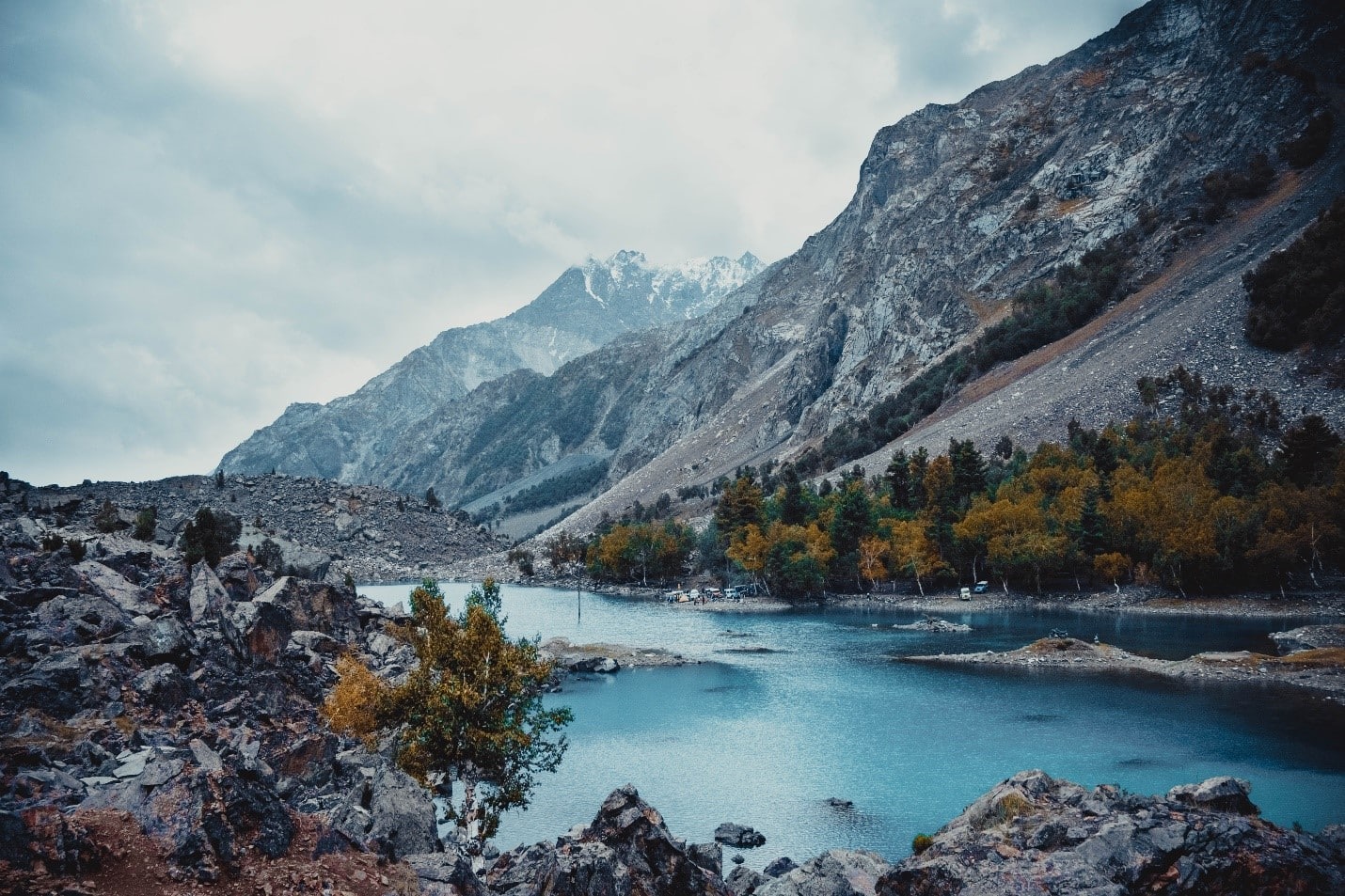
At the heart of this vast wilderness lies the Dovrefjell mountain range, a dramatic and snow-covered expanse that dominates the skyline for most of the year. The high plateaus and chilly alpine conditions foster an Arctic-like environment, making the park a crucial refuge for cold-adapted species.
Towering peaks rise above rolling plains and deep valleys, creating a visually striking contrast that reflects the ecological richness of the area. The park’s protected status ensures that its unspoiled beauty, resilient wildlife, and unique mountain ecosystem remain intact for generations to come.
Wildlife in Dovrefjell Sundalsfjella National Park

Dovrefjell-Sunndalsfjella National Park offers a remarkable haven for wildlife, boasting some of the most distinctive animal populations in Europe. Most notably, it is home to the last original wild mountain reindeer herd in Norway, a species that once roamed across the continent but now survives in only a few remote areas.
The park is also one of the rare places on Earth where musk oxen can be observed in their natural environment. These prehistoric-looking animals were reintroduced from Greenland after disappearing from Europe and have since become one of the park’s most iconic sights. The rugged terrain and subarctic climate provide ideal conditions for Arctic foxes, a resilient species well adapted to the park’s extreme conditions.
In addition to these headline mammals, the area supports elusive predators like wolverines and lynx, as well as larger herbivores such as elk. Birdlife is equally diverse, with the skies patrolled by golden eagles, gyrfalcons, rough-legged buzzards, and hen harriers. The park’s wetlands and alpine lakes also serve as seasonal habitats for various wading birds and ducks, making it an essential stopover for birdwatchers and nature lovers alike.
Best Time to Visit Dovrefjell Sundalsfjella National Park
The ideal time to visit Dovrefjell-Sunndalsfjella National Park is during the summer season, particularly from late June through early September. During this window, the landscapes are most accessible and the weather is generally mild. Temperatures typically range between 10 and 20 degrees Celsius, making it perfect for hiking, backpacking, and guided wildlife tours.
This is also the best window to observe the park’s famous musk oxen, especially in the open plateaus. In June, as the last traces of snow melt away, wildflowers begin to bloom, and visitors can enjoy extended daylight hours, including the mesmerizing midnight sun.
Cycling enthusiasts can take advantage of access to the Vålåsjøhøvegen and Snøheimvegen roads in early to mid-June. July and August tend to bring the most stable weather, particularly in the eastern part of the park. The western areas may remain cooler and experience more moisture.
September still offers a rewarding visit, with colorful autumn landscapes, but visitors should prepare for shorter daylight hours and the early arrival of snow in higher altitudes. While winter, spanning from October to March, transforms the park into a snow-covered wilderness ideal for skiing and snowshoeing.
Getting to Dovrefjell Sundalsfjella National Park

Reaching Dovrefjell-Sunndalsfjella National Park from Oslo is relatively straightforward, with several travel options available. One of the most popular and efficient ways is by train. The Dovre Line runs directly from Oslo Central Station to towns like Dombås, Hjerkinn, and Kongsvoll, which serve as excellent gateways to the park.
Dombås in particular is a key transport hub, offering connections to the Rauma Line that continues toward Åndalsnes. Booking your train tickets in advance is highly recommended, especially during the busy summer months. For those who prefer bus travel, long-distance operators like Vy Express provide service to Dovre and nearby villages.
A useful access point is Lesjaskogvatnet camping, which is well-suited for park entry and outdoor exploration. Travelers who enjoy the flexibility of driving can follow the E6 highway north from Oslo—a journey of about 500 kilometers, typically taking 7 to 8 hours. It’s a scenic drive worth breaking up with a few detours to explore Norway’s countryside and cultural landmarks.
Alternatively, combining train and bus travel is a practical option for reaching less connected areas of the park. For those flying in from other regions, both Molde Airport and Kristiansund Airport offer access to the park’s western side via bus to Sunndalsøra. Whether you go by rail, road, or air, the journey to Dovrefjell-Sunndalsfjella promises to be a memorable introduction to one of Norway’s wildest landscapes.
Other Activities in Dovrefjell Sundalsfjella National Park
Beyond its stunning scenery and iconic wildlife, Dovrefjell-Sunndalsfjella National Park offers a wealth of outdoor activities. Hiking and skiing are particularly popular, especially around the Dovrefjell range where towering peaks provide both challenge and reward. The park’s crown jewel, Snøhetta, rises to 2,286 meters and is the tallest mountain outside the Jotunheimen range.
It features several impressive summits, including Stortoppen, Midttoppen, Hettpiggen, and Vesttoppen—all exceeding 2,250 meters in elevation. Reaching the top of Snøhetta is a major draw for experienced hikers and adventurous skiers seeking unforgettable mountain experiences. Wildlife watching is another highlight, with the park being the last refuge of Norway’s only remaining wild reindeer herd.
Catching a glimpse of these elusive animals in their natural environment is a memorable experience for many. Visitors might also encounter musk oxen, powerful creatures covered in long shaggy coats with curved horns. Males can weigh up to 900 pounds and grow over eight feet in length, though they often appear even larger thanks to their thick fur.
Park Fees in Dovrefjell Sundalsfjella National Park

Dovrefjell Sundalsfjella National Park charges no admission fee.
FAQs
Is Dovrefjell Sunndalsfjella National Park worth visiting?
Dovrefjell-Sunndalsfjella National Park is absolutely worth a visit, especially for anyone who enjoys outdoor adventures and encounters with rare wildlife. The park stands out for its remote, unspoiled beauty and dramatic landscapes, where towering peaks meet wide-open valleys. It’s one of the few places in Europe where you can see musk oxen in the wild, and also home to herds of wild reindeer, making it a dream for wildlife enthusiasts.
How much time to spend in Dovrefjell Sunndalsfjella National Park?
The amount of time you should spend in Dovrefjell-Sunndalsfjella National Park really depends on what you want to experience. A guided musk ox safari typically lasts around 5 to 6 hours and provides a memorable chance to observe these ancient animals in their natural habitat. However, to truly appreciate the park’s vastness and diversity, it’s worth setting aside at least a full day.
Conclusion
Whether you’re scanning the horizon for musk oxen or simply breathing in the crisp mountain air, Dovrefjell-Sunndalsfjella National Park offers a profound connection to the wild spirit of Norway. It’s a place where ancient geology, resilient wildlife, and deep cultural roots come together in one of Scandinavia’s most unforgettable landscapes.