Guide to Gesäuse: Austria’s Raw and Untamed Landscape
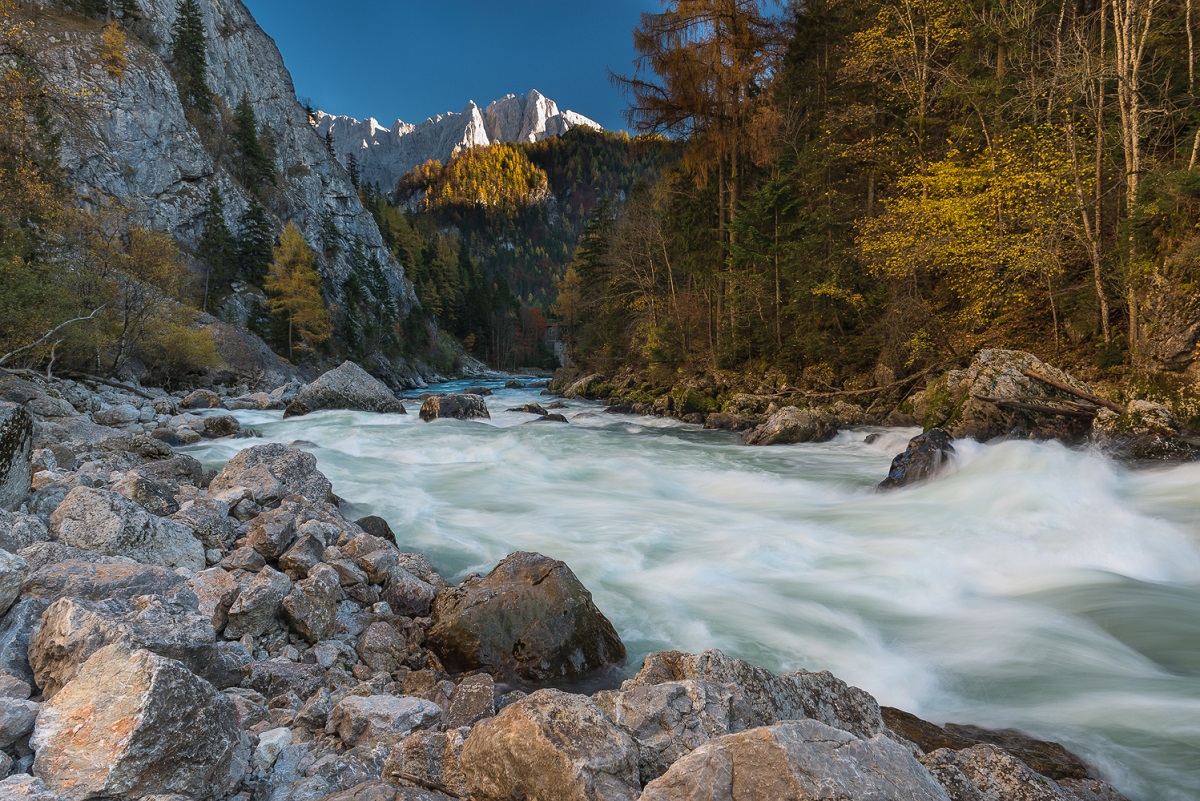
Found in the heart of Austria’s Styria region, Gesäuse National Park is a dramatic landscape defined by limestone peaks, deep valleys, and the gushing waters of the Enns River. It is the youngest of Austria’s national parks, officially designated in 2002, yet it boasts a timeless beauty shaped over millennia.
The park is a haven for nature lovers, climbers, hikers, and anyone seeking to experience the raw, untamed side of the Austrian Alps. The name “Gesäuse” itself refers to the roaring sound of the Enns River as it cuts its way through narrow gorges—a sound that has become part of the region’s identity. Here’s our comprehensive guide to Gesäuse National Park;
Please Download Our Mobile App here.
Overview of Gesäuse National Park
Gesäuse National Park lies just east of Austria’s geographic center, covering 125 square kilometers of striking alpine terrain. At its core are the Ennstal Alps, the dramatic Gesäuse Valley, and the roaring Enns River, which carves a 16-kilometer gorge through limestone mountains. The landscapes here are the park’s greatest treasure—rugged peaks give way to thick forests and wildflower-filled pastures.
The Enns River, with its white-water rapids, adds both energy and beauty as it cuts through the mountainous backdrop. While the park is a haven for outdoor adventure, from hiking and mountaineering to thrilling white-water rafting, it also appeals to those drawn to history and culture.
Just beyond the wild terrain, visitors can explore the ornate Admont Abbey, a monastery steeped in tradition and home to one of the most exquisite libraries in the world. Whether you’re scaling peaks or soaking in the cultural heritage, Gesäuse offers a truly immersive alpine experience.
Wildlife in Gesäuse National Park

Wildlife in Gesäuse National Park is both abundant and remarkably diverse. Among the most visible inhabitants are mammals such as red deer and agile chamois, which roam freely across alpine meadows and forested slopes. The elusive Eurasian lynx, though rarely spotted, is one of the park’s most intriguing predators.
Birdwatchers are drawn to the area for sightings. Here, you’ll sight the majestic golden eagle soaring above the cliffs and the rare wallcreeper fliting along rocky outcrops with its crimson wings. Along the Enns River’s gravel banks and islands, the uncommon common sandpiper can occasionally be observed foraging. Gesäuse stands is also a refuge for less conspicuous but ecologically significant creatures.
The park harbors an exceptional array of arachnids, including 12 species of spiders and six harvestman species that are either endemic or subendemic to the region. It also boasts a staggering butterfly population, with more than 1,200 species identified. Among them are the marsh fritillary and the Spanish flag butterfly, both of which are protected due to their rarity.
Best Time to Visit Gesäuse National Park
The best time to visit Gesäuse National Park largely depends on the kind of experience you’re seeking. However, the summer months between June and September are the most rewarding. During this period, the weather is pleasantly mild, and the landscape is at its most vibrant. You’ll find alpine meadows in full bloom and clear conditions ideal for hiking, climbing, and white-water rafting on the Enns River.
Spring (April through early June) brings a quieter atmosphere and a burst of wildflowers as the park awakens from winter. These conditions make for peaceful hikes, though temperatures can still be on the cooler side. Autumn, particularly from late September into October, transforms the park into a canvas of rich golds and reds.
During this window, the forests take on their seasonal colors—making it a perfect time for photography and tranquil walks. Between December and March, the landscape is often blanketed in snow, inviting winter sports enthusiasts to explore ski touring, snowboarding, and snowshoeing. However, snow conditions vary greatly, and some areas may be exposed to avalanche risks.
Getting to Gesäuse National Park

Reaching Gesäuse National Park from Vienna is relatively straightforward, depending on your travel style. For travelers relying on trains, Austria’s ÖBB network offers a direct train from Vienna Central Station to Hieflau station once a week, typically on Fridays. The journey lasts just over two and a half hours.
On weekends and public holidays, two daily train services run between Vienna and the park via the scenic Westbahn line. Alternatively, you can travel to Weißenbach an der Enns station from Vienna and surrounding regions. From there, connect to the RegioBus or the Gesäuse shared taxi for the final leg into the park.
For those who prefer driving, the journey covers roughly 176 kilometers and takes about two hours and twenty-four minutes. This option offers greater flexibility, particularly for exploring more remote areas of the park, and several well-placed parking lots make access convenient.
During the summer season, visitors can also take advantage of the Gesäuse shared taxi service, which provides flexible transport within the park. It’s ideal for reaching trailheads and visitor centers without needing a personal vehicle.
Other Activities in Gesäuse National Park
Gesäuse National Park offers visitors the chance to explore its dramatic terrain through various thrilling adventures. Rafting down the Enns and Salza rivers delivers a unique perspective of the park’s rugged beauty. It combines awe-inspiring alpine scenery with the adrenaline of navigating foaming rapids.
These rivers cut through the heart of the Gesäuse Valley, a stunning section of the Ennstal Alps where the Enns has carved deep gorges between towering limestone peaks. The Ennstal Alps stretch beyond the park boundaries into the states of Styria and Upper Austria. However, their most striking features are concentrated within Gesäuse itself.
Towering summits like Hochtor, the highest peak at 2,369 meters, along with Buchstein, Lugauer, and Reichenstein, form a breathtaking skyline. This mountainous backdrop gives the Gesäuse Valley its distinctive charm, with jagged cliffs rising abruptly from the river below.
Park Fees in Gesäuse National Park

Gesäuse National Park charges no admission fees. However, those who arrive by self-drive need to be aware that there are parking fees. A daily parking ticket goes for €6.
FAQs
Is Gesäuse National Park worth visiting?
Gesäuse National Park is widely regarded as a worthwhile destination, particularly for travelers drawn to unspoiled nature and outdoor adventure. With its dramatic alpine scenery, rushing rivers, and rugged limestone peaks, the park captivates hikers, mountaineers, and wildlife enthusiasts alike.
How long to spend in Gesäuse National Park?
Spending two to three days in Gesäuse National Park is ideal for those who want to get more than just a glimpse of its rugged beauty. It’s plenty of time to explore the park’s dramatic mountain scenery, hike through alpine meadows and dense forests, and take in the roar of the Enns River cutting through the limestone gorges.
Conclusion
Gesäuse remains one of Austria’s less commercialized parks, retaining a sense of isolation and authenticity that appeals to those looking to escape crowded alpine resorts. Whether you’re there for a challenging summit or a chance to connect with nature, Gesäuse National Park delivers an experience that feels both wild and deeply Austrian.