Guide to Hwange: Zimbabwe’s Largest National Park
Hwange National Park is located in western Zimbabwe. It is a vast and diverse wilderness famous for its impressive elephant populations and rich variety of wildlife. Established in 1928, Hwange covers an area of nearly 14,600 square kilometers, making it Zimbabwe’s largest national park.
Its expansive landscapes range from arid savannahs to lush woodlands, providing a sanctuary for a wide range of animals and birds. Hwange is a haven for those seeking an authentic safari experience, with its unspoiled beauty and abundant wildlife offering a glimpse into the heart of Africa’s natural splendor. This guide will explore the park’s highlights, including its unique wildlife, the best time to visit, and practical tips for travelers.
Please Download Our Mobile App here.
Overview of Hwange National Park
Hwange National Park is situated in the northwest of Zimbabwe, near the border with Botswana. The park’s landscape is characterized by its vast, open plains, scattered with mopane and acacia trees, and interspersed with salt pans and seasonal waterholes. These diverse habitats support a wide range of wildlife, from large herds of elephants to elusive predators and vibrant bird species.
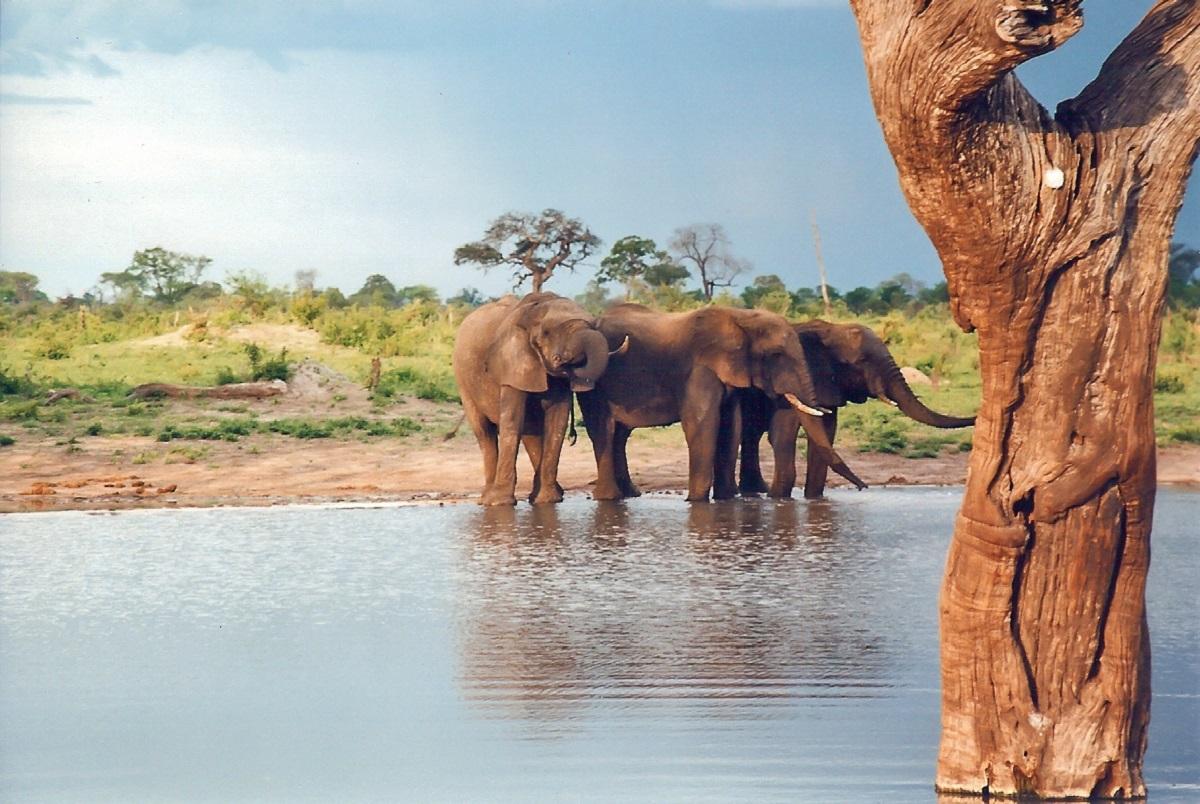
The park’s history is intertwined with its conservation efforts, particularly concerning its elephant population. Hwange is home to one of the largest elephant populations in Africa, with estimates suggesting around 50,000 individuals. This remarkable concentration of elephants is supported by the park’s extensive network of artificial waterholes, which provide essential hydration in the dry season.
Hwange is also known for its conservation work with other species, including the endangered wild dog. The park’s commitment to preserving its unique wildlife and natural habitats makes it a vital area for ecological research and tourism.
Wildlife in Hwange National Park
Hwange National Park is renowned for its impressive elephant herds, which are one of the park’s main attractions. These majestic creatures can be observed in large numbers, particularly around the park’s waterholes during the dry season. The sight of hundreds of elephants congregating at a single water source is a spectacular and memorable experience for visitors.
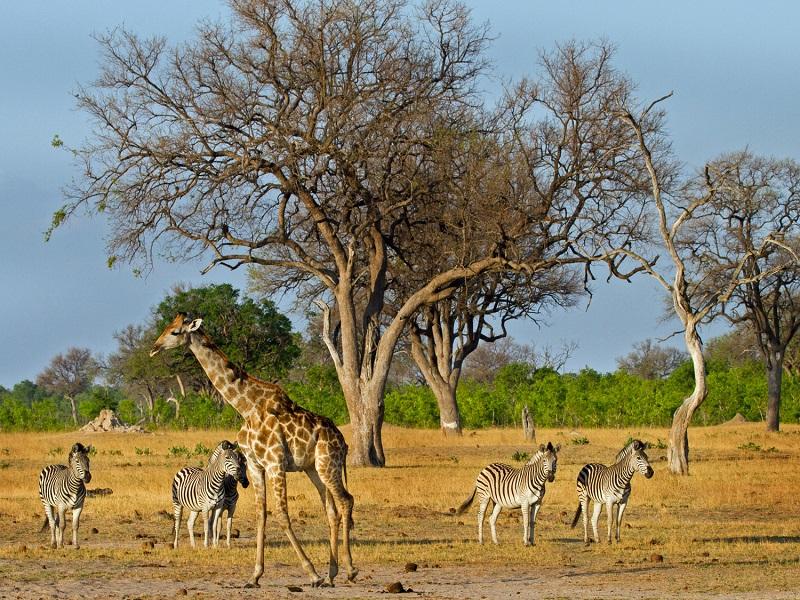
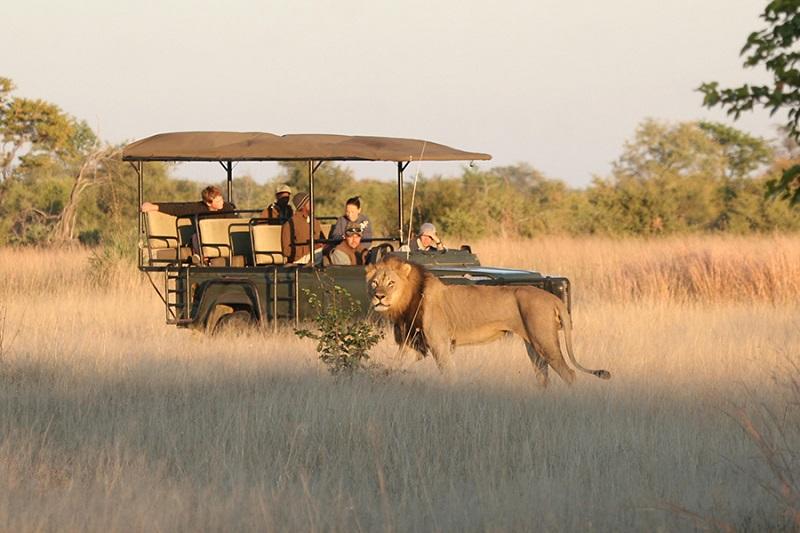
Beyond elephants, Hwange is home to a diverse array of wildlife. The park’s savannahs and woodlands provide habitat for predators such as lions, leopards, and cheetahs. Sightings of these elusive predators can be particularly thrilling for safari enthusiasts. Hwange also supports populations of herbivores including buffalo, giraffe, zebra, and various antelope species such as impala and kudu.
Hwange’s birdlife is equally impressive, with over 400 species recorded within the park. Birdwatchers can spot a variety of colorful and rare species, including the endangered Painted Snipe, the majestic Bateleur eagle, and the striking Lilac-breasted Roller. The park’s diverse habitats provide ample opportunities for birdwatching, whether in the lush woodlands or open plains.
One of the park’s notable conservation success stories is its work with the African wild dog, an endangered species with a fragmented population. Hwange’s efforts to protect and support these elusive predators have contributed to their ongoing survival and recovery.
The Best Time to Visit Hwange National Park
The best time to visit Hwange National Park largely depends on what you wish to experience during your safari. The park’s climate is characterized by a wet and dry season, with distinct differences in wildlife visibility and weather conditions. The dry season, from May to October, is considered the best time for wildlife viewing.
During this period, the park’s waterholes become crucial sources of water, attracting large numbers of animals, particularly elephants. The cooler temperatures and lower vegetation density also make it easier to spot wildlife. The dry season is also the most popular time for tourists, so it is advisable to book accommodations and tours in advance.
The wet season, from November to April, brings lush vegetation and cooler temperatures, creating a vibrant and green landscape. While wildlife can be more dispersed and harder to spot, the wet season offers opportunities to witness dramatic landscapes and enjoy birdwatching.
The rains can also lead to fewer tourists, providing a more tranquil and intimate safari experience. However, some roads and trails may become impassable due to muddy conditions.
Getting to Hwange National Park
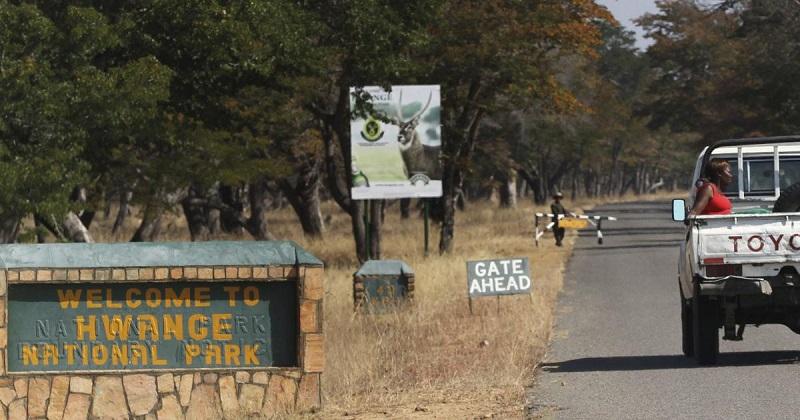
Hwange National Park is located nearly 100 kilometers from the town of Hwange and about 250 kilometers from the city of Victoria Falls. The most common way to reach the park is by road from either Victoria Falls or Hwange town. For visitors flying into Zimbabwe, Victoria Falls International Airport is the closest major airport to the park.
From Victoria Falls, visitors can drive to Hwange National Park, a journey that takes about 3 to 4 hours. Alternatively, private charter flights are available from Victoria Falls or Harare to one of the park’s airstrips, offering a quicker and more scenic route. Traveling to Hwange from Harare, Zimbabwe’s capital city, involves a longer drive of around 6 to 7 hours.
Visitors can also fly to Victoria Falls and continue to Hwange by road. For those already in Zimbabwe, road transfers and guided tours are available from various locations, including Hwange town and nearby lodges.
Other Activities in Hwange National Park
In addition to traditional game drives, Hwange National Park offers a variety of activities that enhance the safari experience. Guided walking safaris are a popular option, allowing visitors to explore the park on foot and learn about the smaller details of the ecosystem from experienced guides. Walking safaris provide a different perspective on the park’s wildlife and landscapes, offering a more immersive experience.
Night game drives are another exciting option, providing opportunities to observe nocturnal animals and experience the park’s night-time ambiance. Spotlights are used to search for elusive creatures such as leopards and porcupines, offering a chance to see wildlife that is less active during the day.
Birdwatching is a highlight for many visitors, with a range of bird species to be observed throughout the park. Specialized birding tours and guides can help spot rare and endemic species, making Hwange a prime destination for avian enthusiasts.
Park Fees for Hwange National Park
As of 2024, the entrance fees for Hwange National Park are as follows:
- Foreign Visitors (Adults): $20 per person per day
- Foreign Visitors (Children): $10 per person per day
- Zimbabwean Citizens (Adults): $5 per person per day
- Zimbabwean Citizens (Children): $2 per person per day
Additional costs may apply for guided tours, walking safaris, and night game drives. It is advisable to check with local operators for the most current fees and to book any special activities in advance.
FAQs: Touring Hwange National Park
Do I Need a Car to Tour the Park?
While a car is not strictly necessary, it is highly recommended for exploring Hwange National Park. Many visitors choose to rent a vehicle or book a guided safari tour, which includes transportation within the park.
Are Unguided Walks Allowed in the Park?
Unguided walks are not allowed in Hwange National Park. All walking safaris and special activities must be conducted with a licensed guide to ensure safety and protect wildlife.
How Much is a Game Drive in the Park?
The cost of game drives in Hwange National Park varies depending on the tour operator and the type of drive. Standard game drives are typically included in the cost of accommodation, while specialized activities such as night drives or private safaris may incur additional charges. It is advisable to inquire with tour operators for detailed pricing.
Conclusion
Hwange National Park offers a captivating safari experience with its impressive wildlife populations and diverse landscapes. Whether observing the massive herds of elephants, embarking on a guided walking safari, or exploring the park’s scenic beauty, Hwange provides an unforgettable adventure in Zimbabwe’s wilderness.