
Guide to Lauca National Park: Chile’s Andean Masterpiece
Located in Chile’s far north near the Bolivian border, Lauca National Park is one of the country’s most striking and least crowded natural treasures. Spanning across in the Andean Altiplano, this UNESCO World Biosphere Reserve offers an extraordinary mix of snowcapped volcanoes, shimmering lagoons, and vast highland plains.
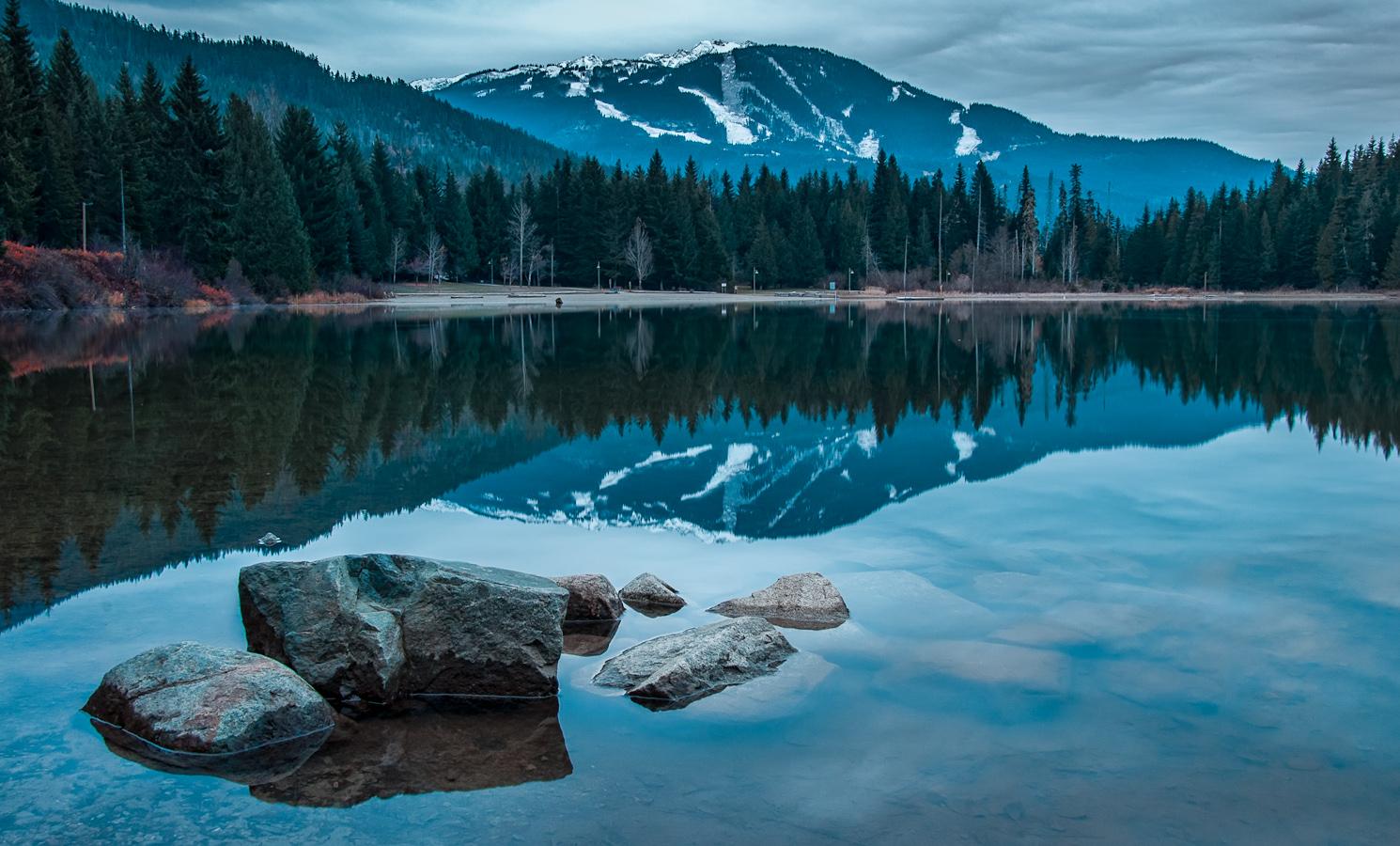
The park’s dramatic landscapes, combined with its rich biodiversity and deep cultural roots, make it a destination that feels both otherworldly and profoundly alive. At the heart of Lauca lies the breathtaking Chungará Lake, one of the highest lakes in the world.
Its mirror-like waters reflect the symmetrical cone of Parinacota Volcano, a snow-covered giant that towers over the landscape alongside its twin, Pomerape. With so many unique attractions, it’s easy to see why Lauca is such a revered destination. Here’s our compiled guide to Lauca National Park;
Please Download Our Mobile App here.
Overview of Lauca National Park
Situated in the northern Chile just across the border from Bolivia and neighboring Sajama National Park, Lauca covers an impressive 532 square miles of high-altitude terrain. The park’s dramatic landscapes are anchored by the Bolivia-Chile Payachata volcanic group, alongside the towering Guallatiri and Acotango volcanoes. Together, these volcanoes create sweeping panoramic views.
The terrain is marked by volcanic calderas, expansive lava fields, and pristine lakes, adding layers of geological intrigue to the area. In the heart of the park lie Lake Chungará and Lake Cotacotani, both perched at over 14,800 feet (4,511 m). These lakes, together with the Lauca and Lluta rivers, provide a network of waterways that appeal to those interested in aquatic ecosystems and high-altitude nature exploration.
Set within the Andean Mountains, the world’s longest continental mountain range, Lauca National Park boasts volcanoes that rise over 19,000 feet (5,791 m). It creates a dramatic backdrop for wildlife, hiking, and photography, and making it a remarkable destination for travelers seeking both natural beauty and adventure.
Also Read: Best Resorts in Chile.
Wildlife in Lauca National Park

Lauca National Park is a haven for wildlife, offering visitors a chance to witness a remarkable high-altitude species in their natural habitat. At the top of the food chain sits the elusive cougar, one of the most sought-after sightings. However, the park’s herds of wild and domesticated camelids, including vicuñas, guanacos, alpacas, and llamas, are the most common sightings.
Small mammals like vizcachas, armadillos, and various fox species also inhabit the rocky slopes and open plains. Birdwatchers are also in for a treat, the park hosts over 140 species either nesting or migrating through the area. Soaring above the volcanic peaks, Andean condors command attention.
High-altitude lakes such as Chungará provide essential habitats for Chilean flamingos, giant coots, Andean geese, Puna ibis, Puna teal, and other waterfowl. Ground-dwelling birds like the Puna tinamou can be spotted across the expansive plains.
Best Time to Visit Lauca National Park
The optimal time to visit Lauca National Park is between September and December. During this window, the weather is generally stable, temperatures are warmer, and the skies are clear. Daytime temperatures typically range from 12°C to 20°C, making it comfortable for exploring the park’s high-altitude landscapes without the disruptions of heavy rain.
Clear nights provide exceptional conditions for stargazing, a treat enhanced by the region’s world-class observatories. Wildlife is also more visible at this time, with alpacas, vicuñas, and llamas grazing the plains, and flamingos often seen in the shallow waters of the highland lagoons.
You should avoid the months of January to March, known as the Bolivian Winter. During this window, heavy rainfall and occasional snow can make trails muddy and roads impassable. Even outside of this rainy season, nights in the park can drop well below freezing. In some places, snow may still be present, particularly in July, so proper preparation for high-altitude conditions is essential.
Getting to Lauca National Park

Getting to Lauca National Park from Santiago requires some planning. The most common route begins with a flight from Santiago to Arica, the nearest airport to the park. Once in Arica, travelers have several options to reach the park’s entrance at Lago Chungará. Local buses run to Murmuntani, a stop close to the park, providing an affordable way to get there.
Another option is to rent a car in Arica and drive along Highway 11. However, you should be ready for the challenges of high-altitude driving in a desert environment. For a seamless experience, you can join a guided tour. Most tours begin from Arica and handle logistics like transport and other small incentives like meals.
Other Activities in Lauca National Park
Hiking and trekking are among the most popular ways to explore Lauca National Park. The park’s high altitude and varied terrain mean that most trails are rated from moderate to challenging. One of the most demanding routes is the Parinacota Volcano Trail. The trail stretches for 14.4 miles and involves an elevation gain of 2,368 feet.
Hikers on this trail navigate rugged terrain that can include rocky sections and washed-out paths. However, the effort is rewarded with stunning views of the volcano and surrounding landscapes. For a shorter and less strenuous option, the Plaza de Putre to Rio Putre Trail covers 1.7 miles with an elevation gain of 380 feet.
Along this route, trekkers follow the river, enjoying sweeping panoramic vistas and encountering the historic old church, a reminder of the region’s cultural heritage. Both trails provide unique perspectives of the park, whether through the challenge of scaling volcanic heights or the serene beauty of riverside paths.
Park Fees in Lauca National Park

Lauca National Park charges no admission fees.
FAQs
Is Lauca National Park worth visiting?
Yes, Lauca National Park is definitely worth a visit for travelers seeking dramatic high-altitude scenery and unique wildlife experiences. The park features striking landscapes, including the dazzling Lake Chungará and vast plains where flamingos, vicuñas, and other Andean animals roam freely.
How long to spend in Lauca National Park?
For an unforgettable experience, plan to spend about 2-3 days within the park. This timeframe gives you the chance to explore the park’s key highlights like the stunning Lake Chungará and the surrounding volcanoes without feeling hurried.
Conclusion
Lauca National Park is not simply a scenic stop—it’s an experience that embodies the raw, untamed beauty of Chile’s Andean frontier. Between its soaring volcanoes, ancient cultures, and quiet, endless horizons, it stands as a testament to the wild spirit of the Altiplano, where nature still reigns in its purest form.