

Guide to Los Alerces: Argentina’s Patagonian Expanse
Found in the Argentine Patagonia within the province of Chubut, Los Alerces is a breathtaking expanse of glacial lakes, ancient forests, and rugged mountains. Established in 1937, the park was created to protect the endangered Patagonian cypress, or Alerce tree, one of the oldest and longest-living species on Earth.
These towering trees, some over 2,600 years old, lend the park both its name and its sense of timeless grandeur. In recognition of its pristine ecosystems and ecological importance, Los Alerces was declared a UNESCO World Heritage Site in 2017. The park’s landscape unfolds as a patchwork of crystalline waters, dense Andean forests, and dramatic peaks.
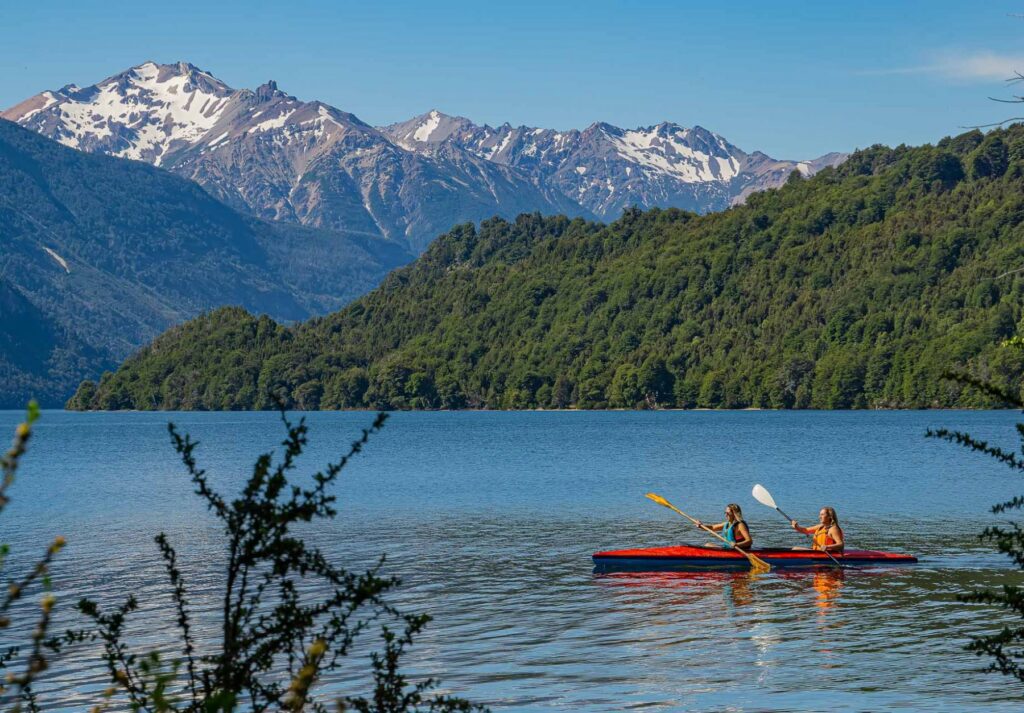
Among its many highlights, Lake Futalaufquen stands out for its mirror-like surface that reflects the surrounding mountains. The Menéndez and Rivadavia lakes also offer excellent opportunities for kayaking and fishing. With so much on offer, it’s no surprise Los Alerces has been turning heads of adventurers and outdoor enthusiasts. Here’s our comprehensive guide to Los Alerces National Park;
Please Download Our Mobile App here.
Overview of Los Alerces National Park
Los Alerces National Park lies along the border of Argentina and Chile, about two-thirds of the way down the length of both countries. The park spans a vast area of 723.47 square miles (1,873.78 sq km). This makes it one of Argentina’s largest protected areas—often ranked as the fourth or fifth largest, depending on whether adjacent zones are included.
At the heart of the park are the ancient alerces trees, the park’s namesake and one of its main attractions. These magnificent trees form a forest covering more than 18,300 acres (7,407 ha). When combined with the adjoining Los Alerces National Reserve, the total protected area reaches an impressive 1,003 square miles (2,599 sq km).
The park’s scenery is shaped by towering mountains, glacial cirques, alpine meadows, and an intricate network of rivers and lakes. In the north, the vast Rivadavia Lake offers lodging options and trails. The nearby Verde Lake also provides a tranquil escape with campsites, dome tents, and viewpoints that overlook pristine waters.
To the south, the crystalline Arrayanes River flows through one of the park’s most photogenic valleys. The valley is crossed by a hanging bridge that leads to Chucao Port on the shores of Menéndez Lake. It’s often a departure point for tours to the legendary Alerzal Milenario. Further south, Futalaufquen Lake serves as a hub, complete with accommodations. The southern boundary reaches Futaleufú Lake and its hydroelectric dam.
Wildlife in Los Alerces National Park

Los Alerces teems with life, offering a refuge for an impressive variety of wildlife. Among its most iconic residents are large mammals like the elusive puma and the clever Andean fox. Sharing the wilderness are smaller yet remarkable creatures such as the kodkod, a rare and threatened wildcat, and the pudú, known as the world’s smallest deer.
The park also shelters the endangered huemul, the Southern Andean deer. Perhaps most intriguing of all is the Monito del Monte, a tiny nocturnal marsupial considered a living fossil. The skies above the park are equally alive with over 130 bird species. The most common is the majestic Andean condor soaring along the mountain ridges.
You’ll also glimpse the torrent duck diving fearlessly into fast-moving streams, and the colorful Andean flicker tapping on tree trunks. Other avian highlights include the Chilean flamingo, spectacled duck, and kingfisher. Los Alerces’ lakes and rivers host native trout and salmon, while its damp forest floors shelter amphibians like the recently discovered Batrachyla fitzroya frog.
Also Read: Best Resorts in Argentina.
Best Time to Visit Los Alerces National Park
The best time to visit Los Alerces National Park largely depends on the type of experience you’re seeking. Spring (September to November) is an excellent season for hiking and birdwatching, as the park bursts into life with blooming flowers and active wildlife. It’s also a budget-friendly period, with fewer tourists and lower accommodation prices.
Summer (December to February) is the peak season and the most popular time of the year. Many are drawn by opportunities for kayaking, fishing, and exploring the park’s many lakes. However, the window is characterized by moderate temperatures mixed with occasional heavy rainfall and larger crowds.
Autumn (March to May) offers a quieter alternative. The window is ideal for canoeing and admiring the golden foliage that transforms the landscape into a palette of reds and yellows. Winter (June to August) brings a different kind of beauty with snow-covered peaks and frozen lakes. However, it’s also the most challenging time to visit, as cold temperatures and snow can block many of the high mountain passes.
Getting to Los Alerces National Park

Reaching Los Alerces from Buenos Aires is most conveniently done by flying to Esquel, the nearest city to the park. Flights from Buenos Aires operate to Esquel Airport regularly and upon arrival, renting a car is highly recommended. The park covers a vast area, and having your own vehicle allows flexibility to explore its many lakes and trails.
From Esquel, the drive to the park is straightforward. You’ll follow National Route 259 to the town of Trevelin, then continue on Provincial Route 71 for about 52 kilometers to Villa Futalaufquen. For budget travelers, long-distance buses run between Buenos Aires and Esquel. The journey takes roughly 22 hours.
Once in Esquel, you can catch a bus that stops at Villa Futalaufquen and other scenic areas along Provincial Route 71. You can alternatively hire a taxi or join an organized tour. Adventurous travelers can also embark on a scenic road trip from Buenos Aires. The journey leads through Patagonia toward San Carlos de Bariloche and continues south to Esquel before entering the park.
However, this option demands at least two full days of travel. From the north, access is also possible via El Bolsón by taking National Route 40 and Provincial Route 71 through Cholila and the shores of Rivadavia Lake. This route includes around 28 kilometers of gravel road so we recommend you rent a 4×4 vehicle.
Other Activities in Los Alerces National Park
Los Alerces offers a wealth of outdoor activities that let visitors immerse themselves in the heart of the Patagonian Andes. Boating across the park’s shimmering lakes is among the most popular ways to experience its beauty, with Lake Menéndez being a standout destination. From its calm, turquoise waters, you can catch views of the Torrecillas Glacier, its icy mass descending dramatically from the surrounding peaks.
Hiking is another key activity in the park, drawing adventurers eager to traverse forested trails and reach secluded corners of the wilderness. In fact, trekking is one of the few ways to access the pristine shores of Lake Menéndez. Those who make the endeavor are rewarded with breathtaking vistas and a profound sense of solitude in one of Argentina’s most untouched natural sanctuaries.
Park Fees in Los Alerces National Park
Los Alerces charges no admission fee.
FAQs
Is Los Alerces National Park worth visiting?
Yes, Los Alerces National Park is absolutely worth visiting. At its heart are the ancient Alerce trees, some thousands of years old. You’ll also enjoy a wide range of activities, from hiking scenic trails and soaking in breathtaking viewpoints to camping under a starry Patagonian sky. Boat tours to see the oldest Alerce trees and kayaking across tranquil waters offer an even closer connection to the park’s serene wilderness.
How long to spend in Los Alerces National Park?
You should plan to spend at least one full day in Los Alerces National Park. However, two or more days are ideal for those who want to truly appreciate its vast landscapes and variety of outdoor experiences. A half-day visit is possible, but it only scratches the surface of what the park has to offer, as its beauty and scale deserve more time to explore.
Conclusion
Los Alerces National Park is not just a place of stunning beauty but also a living museum of time. Here, ancient trees and glacial waters tell the story of Patagonia’s evolution. Whether exploring its pristine lakes or hiking beneath canopies of millennia-old cypresses, you’re reminded that nature’s most profound treasures often lie in its quiet persistence.