Guide to Lower Zambezi: Zambia’s Breathtaking Safari
Lower Zambezi National Park is located in southeastern Zambia and is known for its breathtaking landscapes and diverse wildlife. Spanning nearly 4,092 square kilometres along the northern banks of the Zambezi River, the park offers a unique safari experience. The river acts as a natural boundary.
Its scenic beauty, rich biodiversity, and abundant game make Lower Zambezi National Park a hidden gem for nature enthusiasts and adventure seekers. This guide provides an in-depth look at the park, its wildlife, best times to visit, and essential information for travelers.
Overview of Lower Zambezi National Park
Established as a national park in 1983, Lower Zambezi National Park is relatively new compared to other African parks, which has allowed it to remain relatively undisturbed. The park is characterized by its varied landscapes, including riverine forests, floodplains, woodlands, and rugged escarpments. These diverse habitats support a wide range of flora and fauna, making the park a haven for wildlife and birdlife.
The Zambezi River is the park’s most defining feature, providing a lifeline for the animals and creating a stunning backdrop for visitors. The river’s meandering channels, islands, and oxbow lakes offer unique opportunities for water-based safaris, including canoeing and boat cruises. The park’s relative isolation and limited road access have helped preserve its wild and untouched character.
Lower Zambezi National Park is part of a larger trans frontier conservation area that includes Zimbabwe’s Mana Pools National Park on the opposite bank of the Zambezi River. This cross-border ecosystem allows for the free movement of wildlife and enhances the conservation efforts in the region. The park’s commitment to sustainable tourism and conservation ensures that it remains a pristine wilderness for future generations.
Wildlife in Lower Zambezi National Park
Lower Zambezi National Park is renowned for its abundant and diverse wildlife. The park’s varied habitats support a wide range of species, making it a prime destination for wildlife viewing. The Zambezi River is a magnet for wildlife, particularly during the dry season when animals congregate along its banks.
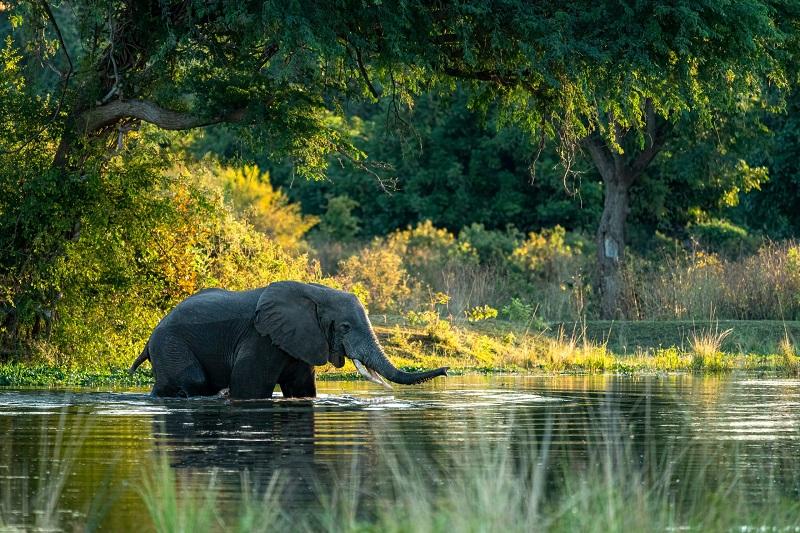
One of the park’s most iconic animals is the African elephant. Large herds of elephants are often seen along the river, feeding on the lush vegetation and taking refreshing dips in the water. The park’s elephants are known for their relatively relaxed behavior, providing excellent opportunities for close-up observations and photography.
The park is home to a healthy population of big cats, including lions, leopards, and the elusive cheetah. Lions are often seen in the open grasslands and along the river, while leopards prefer the denser woodlands and are usually spotted during night drives. The park’s varied terrain also supports a range of antelope species, including impalas, kudus, waterbucks, and bushbucks.
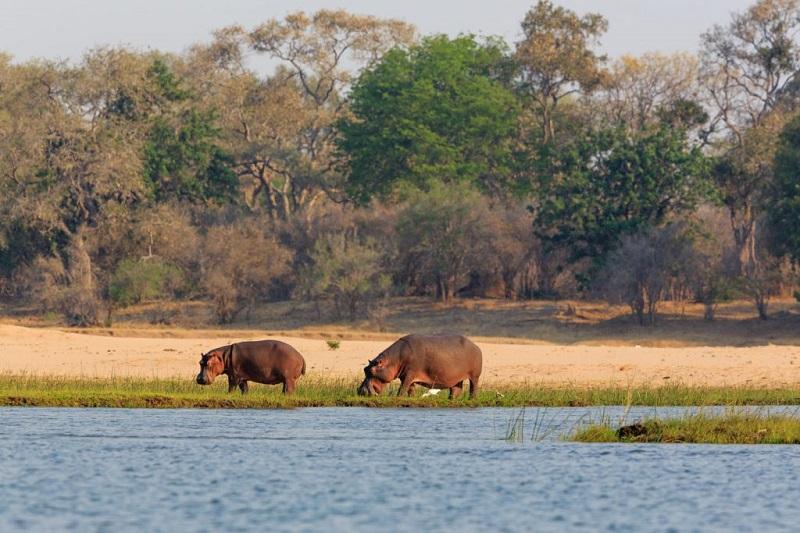
The Zambezi River and its tributaries are crucial for a variety of other wildlife. Hippos are a common sight, often seen basking in the shallow waters or grazing along the riverbanks. Crocodiles are also abundant and can be seen sunning themselves on the river’s sandbanks.
The park’s wetlands and floodplains attract a diverse array of birdlife, making it a paradise for birdwatchers. Over 400 bird species have been recorded in the park, including fish eagles, kingfishers, herons, and numerous waterfowl. Smaller mammals and reptiles are also part of the park’s rich ecosystem.
The Best Time to Visit Lower Zambezi National Park
Lower Zambezi National Park is a year-round destination, but the best time to visit depends on what you want to experience. The dry season, from June to October, is considered the prime time for wildlife viewing. During these months, animals concentrate along the Zambezi River and other water sources, making them easier to spot.
The dry season also offers cooler and more comfortable weather for safari activities. The wet season, from November to May, brings lush, green landscapes and an abundance of birdlife. While wildlife may be more dispersed due to the availability of water, the park is less crowded, offering a more tranquil experience.
The wet season is particularly good for birdwatching, as migratory species arrive in large numbers. The presence of newborn animals during this period also adds to the appeal for wildlife enthusiasts. The shoulder seasons, particularly May and November, can offer a good balance of fewer crowds and excellent wildlife viewing.
Getting to Lower Zambezi National Park from Lusaka
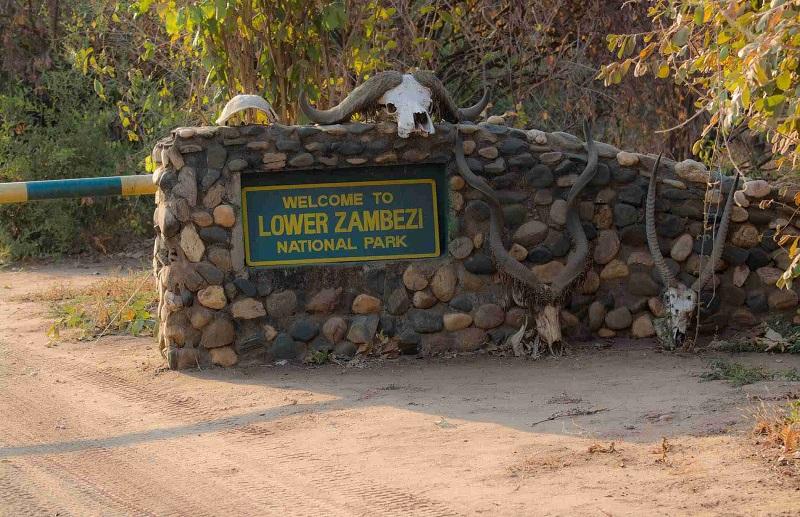
Lower Zambezi National Park is located about 150 kilometers southeast of Lusaka, Zambia’s capital. The most common way to reach the park is by road, which takes about 4 to 5 hours. The drive from Lusaka offers scenic views of the Zambian countryside and passes through several small towns and landscapes.
For those preferring to fly, there are scheduled flights from Lusaka’s Kenneth Kaunda International Airport to Jeki and Royal airstrips within the park. The flight takes about 30 to 40 minutes, providing a quick and convenient option for reaching the park. Upon arrival, visitors can arrange transfers to their lodges or camps within the park.
Self-drive options are available, but the road conditions can be challenging, particularly during the wet season. Guided tours and safari packages often include transportation, making it easier for visitors to explore Lower Zambezi without worrying about logistics. It is advisable to book flights and transport arrangements in advance, especially during peak tourist seasons.
Other Activities in Lower Zambezi National Park
Lower Zambezi National Park offers a variety of activities that allow visitors to experience its unique landscapes and wildlife from different perspectives. Game drives are the most popular activity, providing opportunities to explore the park’s diverse habitats and see its abundant wildlife. Early morning and late afternoon game drives are particularly rewarding, as animals are most active during these cooler parts of the day.
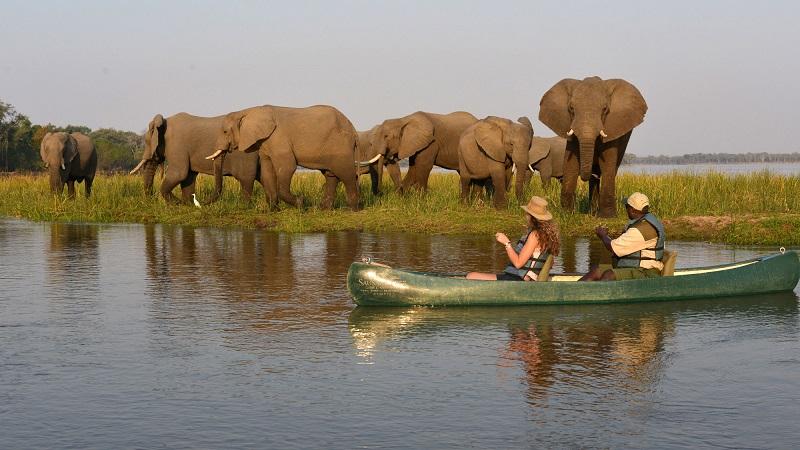
Canoeing safaris are a unique and thrilling way to experience the Zambezi River and its wildlife. Paddling along the river’s channels and around its islands allows visitors to get close to hippos, crocodiles, and a variety of bird species. These safaris offer a peaceful and intimate way to observe the park’s wildlife and scenery.
Boat cruises on the Zambezi River are another popular activity, offering a relaxing way to see the park’s wildlife from the water. Sunset cruises are particularly popular, providing stunning views of the river and its wildlife as the sun sets over the horizon. Fishing is also a favorite activity in the park, with the Zambezi River being home to a variety of fish species, including the prized tiger fish.
Walking safaris, led by experienced guides, provide an up-close and personal way to explore the park’s landscapes and learn about its flora and fauna. These guided walks offer educational insights into the park’s ecosystems and wildlife behavior. Birdwatching tours are also available, taking advantage of the park’s diverse avian population and prime birding locations.
For those interested in learning more about the local culture, visits to nearby communities and cultural centers can be arranged. These visits provide insights into the traditional lifestyles and customs of the people living around the park. You can learn about local conservation efforts, see traditional dances, and purchase handmade crafts as souvenirs.
Park Fees for Lower Zambezi National Park
As of 2024, the entrance fees for Lower Zambezi National Park are as follows:
- Non-Resident Adults: $30 per person per day
- Non-Resident Children (5-18 years): $15 per child per day
- Zambian Citizens and Residents Adults: ZMW 45 per person per day
- Zambian Citizens and Residents Children (5-18 years): ZMW 15 per child per day
These fees contribute to the park’s conservation efforts and the maintenance of its facilities. Prices are subject to change, so it is advisable to check with the Zambia Wildlife Authority or your tour operator for the most current information.
FAQs: Touring Lower Zambezi National Park
Do I Need a Car to Tour the Park?
Yes, a car is necessary to explore Lower Zambezi National Park due to its size and the distances between different areas. A 4×4 vehicle is recommended, especially for game drives and navigating the park’s sometimes challenging terrain. Visitors can opt for self-drive safaris or join guided tours provided by lodges and tour operators.
Are Unguided Walks Allowed in the Park?
Unguided walks are not permitted in Lower Zambezi National Park due to the presence of dangerous wildlife. Guided walks with experienced rangers are available and provide a safe way to explore the park on foot. These walks offer educational insights into the park’s ecosystems and wildlife.
How Much is a Game Drive in the Park?
The cost of a game drive in Lower Zambezi National Park varies depending on the tour operator, duration, and whether it is a private or shared drive. Prices generally range from $50 to $150 per person for a half-day drive. Some lodges include game drives in their accommodation packages. It is advisable to book game drives in advance, especially during peak tourist seasons, to ensure availability.
Conclusion
Lower Zambezi National Park is a destination of unparalleled natural beauty and wildlife diversity. From the majestic elephants to the serene Zambezi River, the park offers an unforgettable safari experience for nature.