
Guide to Patagonia National Park: Chile’s Stronghold of Conservation
Chile’s Patagonia National Park is one of South America’s most compelling examples of wild beauty restored. Once a patchwork of overgrazed ranchlands in the remote Aysén Region, this sprawling park now stands as a model of conservation and rewilding. It’s a place where damaged landscapes have been lovingly stitched back together, one fencepost and one native plant at a time.
The park spans nearly 750,000 acres and sits within the larger Patagonia Parks Network. It stretches from steppe to alpine terrain, from wind-carved valleys to snow-dusted peaks, presenting a diversity of ecosystems rarely seen in one protected area. This is not the polished Patagonia of postcard fame. It’s raw, elemental, and often windswept. Here’s our comprehensive guide to Patagonia National Park;
Please Download Our Mobile App here.
Overview of Patagonia National Park
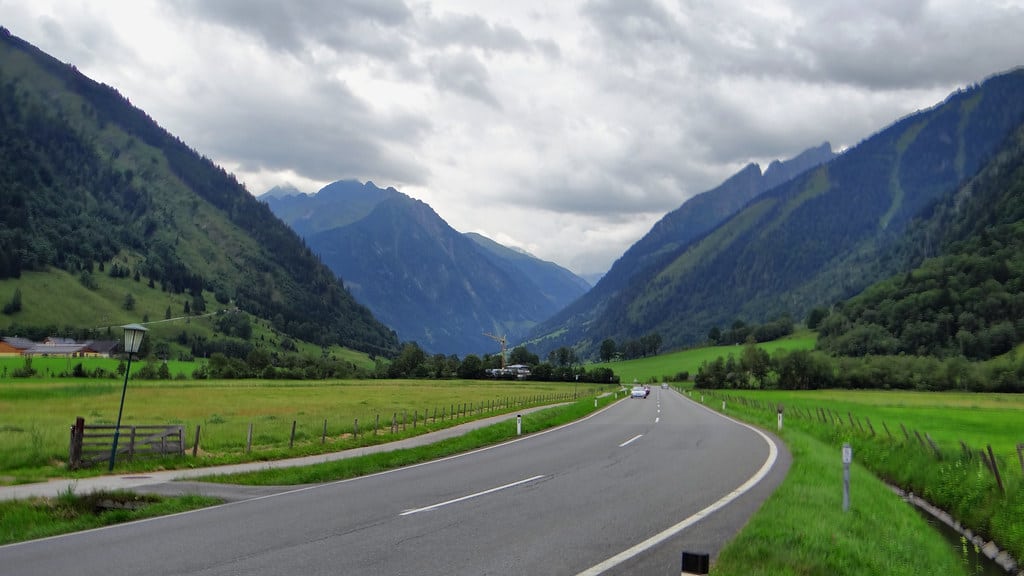
Patagonia National Park lies deep in Chile’s southern frontier, tucked between Lago Jeinimeni and Lago Cochrane National Reserves. Covering 523.57 square miles, it forms a crucial link between the arid steppe of Argentine Patagonia and the temperate forests of Chile. It sits east of the Andes, where the mountains cast a rain shadow that shapes the region’s mix of dry grasslands, riparian woodlands, and lush wetlands.
Glacier-fed rivers snake through the park toward the Pacific. While the official national park covers over 1,300 square kilometers, it’s part of a broader mosaic of protected areas now totaling roughly 1,000 square miles. It was created through the unification of five separate reserves—including the former Tamango and Jeinimeni Reserves—and the once privately-owned Chacabuco Valley.
The valley was no ordinary patch of land; it was historically one of the region’s largest livestock ranches, founded in 1908 by English explorer Lucas Bridges. It changed hands during Chile’s turbulent political past, passing through agrarian reform, dictatorship-era land sales, and eventually into the hands of Francoise de Smet in 1980.
Everything changed in 2004, when Kristine and Douglas Tompkins—having first set foot in the valley in 1995. They began acquiring the 173,000-acre estate through their organization, Patagonia Conservation, with the aim of undoing the damage wrought by decades of grazing and fencing. Restoration efforts ramped up as more land was added, eventually totaling more than 198,000 acres.
The result is one of the most ambitious rewilding efforts in Chilean history, culminating in 2018 when Tompkins Conservation donated the rehabilitated land to the Chilean government. The park now is a refuge for iconic species like the elusive puma, soaring condor, ñandú, and the endangered South Andean deer (huemul).
Also Read: Best Resorts in Chile.
Wildlife in Patagonia National Park
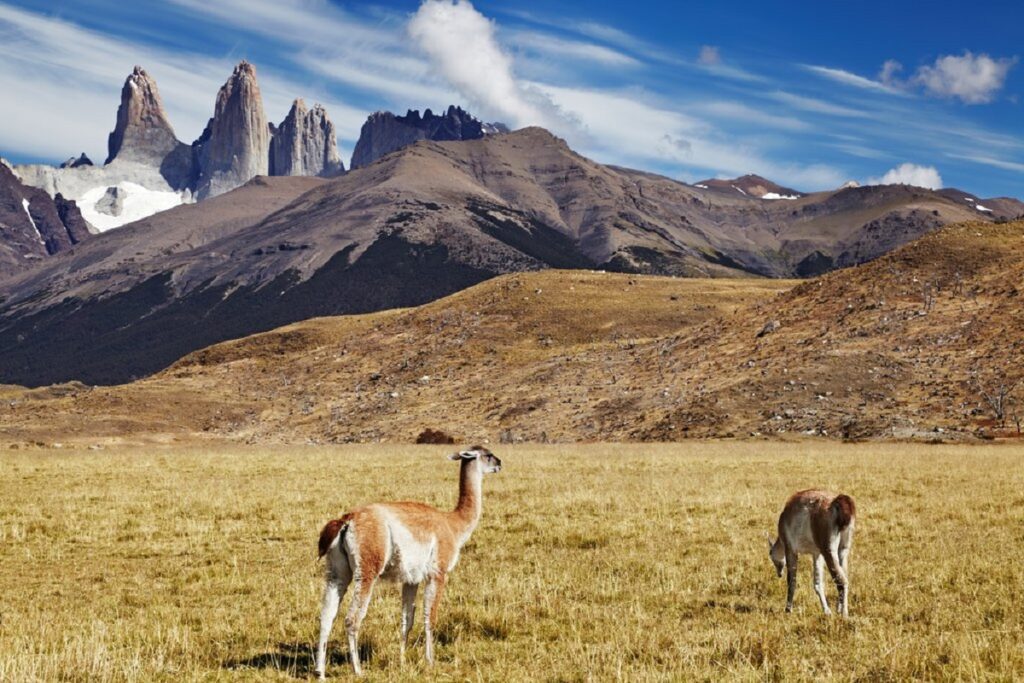
Patagonia National Park is a sanctuary of biodiversity. In the open grasslands, visitors are likely to encounter armadillos, gray foxes, and the ever-present guanacos grazing in herds. These llama-like animals, with their long necks and gentle eyes, are iconic symbols of Patagonia and roam freely across much of the terrain.
The stealthy puma also thrives here in unusually high numbers. The grasslands are also home to tuco-tucos and the large rodent-like Patagonian mara, a species that resembles a hare. The endangered huemul deer, a solitary creature, can sometimes be seen in the denser woodlands, particularly near the western edges of the park.
These forests also shelter pudús—the world’s smallest deer—and red foxes, as well as a vibrant array of birdlife. Towering above it all is the Andean condor, often seen soaring in lazy circles on thermal updrafts. Bird lovers will also appreciate glimpses of the Magellanic woodpecker with its distinctive drumming.
You’ll also encounter the Austral parakeet darting through the trees, and birds of prey such as the Chilean hawk and other raptors patrolling the skies. Even more unique are the Darwin’s rheas, large flightless birds that move with surprising grace through the steppe, evoking a prehistoric charm. While whales, penguins, and sea lions are found more along Patagonia’s coastline.
Best Time to Visit Patagonia National Park
The best time to visit Patagonia National Park is during the summer (December through February). These months bring the most favorable conditions for exploring the rugged landscapes, with daytime temperatures ranging from 10 to 21 degrees Celsius and daylight stretching up to 18 hours. While winds can still be a factor, the weather is relatively stable, making it ideal for long hikes through areas like Torres del Paine.
However, this peak season also comes with larger crowds and steeper prices. For a quieter experience, consider visiting during the shoulder months of November, March, or April. During these times, the weather remains relatively pleasant, trails are still accessible, and the scenery—particularly the autumn colors in March and April—can be stunning.
Spring (September to early November) brings floral havens and trekking routes reopen after the winter. On the other hand, winter (June to August) transforms the region into a snow-covered wilderness. While many trails and facilities shut down during these colder months, it’s a rewarding period for those interested in solitude and winter activities.
Getting to Patagonia National Park

Reaching Patagonia National Park from Santiago involves a mix of air and ground travel. Most travelers opt to fly with LATAM Airlines from Santiago to either Punta Arenas or Puerto Natales. Punta Arenas tends to offer more frequent and affordable flights, especially during the high season. On the other hand, Puerto Natales, though closer to the park, often comes with higher fares and fewer flight options.
From either airport, visitors can continue by bus or arrange a private transfer to the park’s entrance. For those with more time—or an appetite for adventure—long-distance bus travel from Santiago is available. However, the ride can stretch between 24 and 36 hours. Companies like Bus-Sur serve the route, and breaking up the trip with overnight stops in regional towns can make the journey more manageable.
Driving is another possibility. However, the drive spans more than 2,000 kilometers and includes remote stretches of road with sparse traffic. So, it’s best suited for those comfortable navigating long distances. For a seamless travel experience you can look out for organized tours that cover flying and airport transfers.
Other Activities in Patagonia National Park
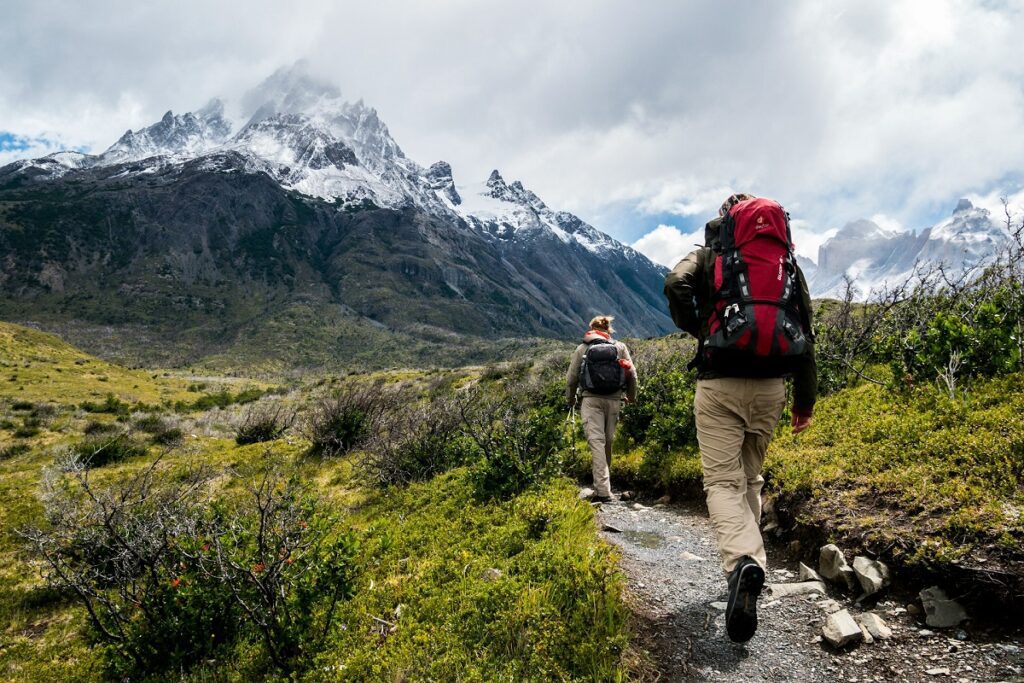
Patagonia offers a rugged playground for those drawn to the outdoors. With its sweeping views and unspoiled terrain, the region is a magnet for adventurous spirits seeking more than just scenery. The park’s wild character is best experienced on foot, and its extensive network of trails allows hikers and trekkers to fully immerse themselves in the landscape.
Park Fees in Patagonia National Park
Patagonia National Park charges different admissions depending on nationality and age. For adults, a single-day pass costs 45,000 Chilean pesos (about $39). Teenagers between the ages of 12 and 18 pay a reduced rate of around $20. For those planning to explore the park in more depth, a three-day pass is available for $56.
FAQs
Is Patagonia National Park worth visiting?
Patagonia National Park is absolutely worth the journey, particularly for those drawn to raw natural beauty and a sense of solitude. Unlike more crowded parts of Patagonia, this park remains a hidden gem. It’s a haven for wildlife watchers, with guanacos, condors, and even elusive pumas calling the area home.
How long to spend in Patagonia National Park?
Plan a minimum of four full days. This timeframe allows for visits to major highlights such as the Chacabuco Valley and Lagunas Altas. However, it can feel a bit rushed if you’re aiming to take in the full scope of the park’s diverse landscapes. A weeklong stay is far more comfortable. It gives you the freedom to hike at a relaxed pace, linger at viewpoints, and perhaps venture into the lesser-visited corners of the Aysén Region.
Conclusion
In a world rapidly losing its wilderness, Patagonia National Park stands as a bold counterpoint. It doesn’t just preserve what’s left—it brings back what was lost. And for those willing to make the journey, it offers a glimpse of how wild the world once was—and could be again.