Guide to Peak District: UK’s Oldest National Park
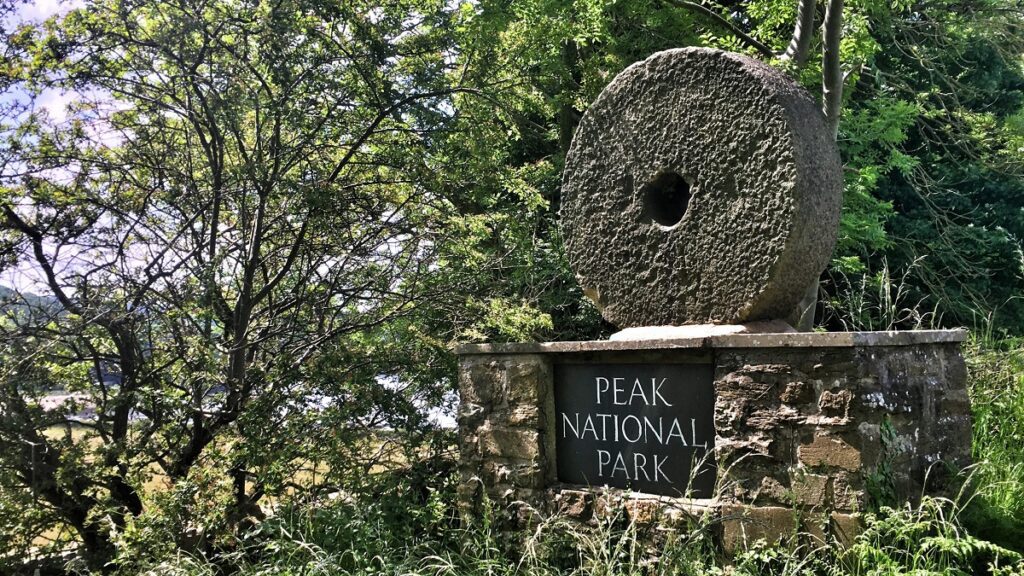
Nestled in the heart of England, the Peak District National Park is a landscape of rugged beauty, rolling hills, and charming villages. As the first national park established in the UK in 1951, the Peak District holds a special place in the nation’s heritage.
Today, it continues to captivate millions of visitors each year with its diverse scenery and outdoor adventures. The park stretches across five counties including Derbyshire, Cheshire, Greater Manchester, Staffordshire, and South Yorkshire.
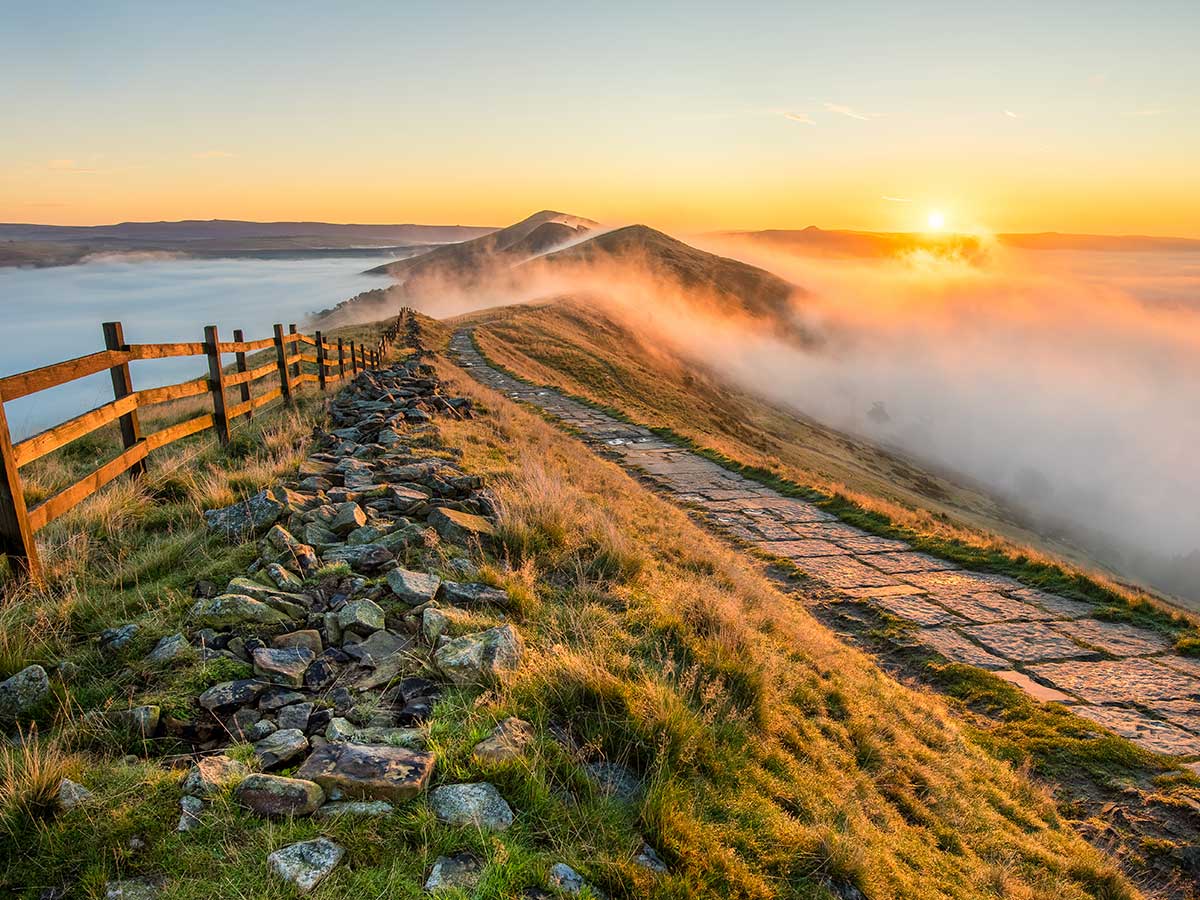
It is traditionally divided into two contrasting regions: the Dark Peak to the north and the White Peak to the south. The Dark Peak is characterized by dramatic gritstone edges and open moorland while the White Peak is known for its gentler limestone valleys and lush green dales. Here’s our guide to the Peak District National Park;
Please Download Our Mobile App here.
Overview of Peak District National Park
Located in the northern part of central England, Peak District National Park spans across six counties, though most of it lies within Derbyshire. Covering 555 square miles (1,440 square kilometers), it stands as the fifth largest national park in the UK. It also holds the unique honor of being the nation’s first designated national park.
Its landscape is a rich tapestry of moorland, rolling hills, limestone plateaus, and gritstone escarpments, shaped by centuries of natural and human activity. The park is traditionally divided into two contrasting areas: the Dark Peak, known for its wild moorlands, and the White Peak, where gentle limestone scenery dominates.
Rivers wind their way through the hills and valleys, nourishing the diverse vegetation that carpets the countryside. While the name may suggest lofty peaks, the terrain is more subtle, with Kinder Scout being the highest point at 2,087 feet (636 meters). The park’s gentle slopes and dramatic ridges create stunning vistas without the presence of towering mountains.
Much like the Lake District, the Peak District offers more than natural beauty, including historic villages, quaint market towns, country estates, and heritage sites. Despite its national park status, only about 5 percent of the land is owned by the National Park Authority, with the rest remaining under private or alternative ownership.
Wildlife in Peak District National Park

Peak District National Park is home to a rich and varied array of wildlife, offering nature enthusiasts the chance to encounter both rare and familiar species. The red deer are the largest mammals roaming the area. However, much of the park’s fauna is made up of smaller creatures such as martens, otters, brown hares, hedgehogs, and the elusive polecat.
The park also serves as a haven for birdlife, supporting both year-round residents and migratory birds. Among the most iconic is the ring ouzel, often called the “mountain blackbird.” It often arrives in summer to nest along the park’s rugged gritstone edges. The skies of the Peak District are alive with birds of prey, including peregrine falcons, merlins, short-eared owls, and goshawks.
Buzzards, kestrels, and ravens are a common sight, adding to the dramatic atmosphere of the moorlands. In the Dark Peak region, red grouse are a signature species. The open countryside and waterways also attract wheatears, barn owls, dippers, stonechats, and the striking hen harrier.
Best Time to Visit Peak District National Park
The best time to visit the Peak District National Park depends largely on the kind of experience you’re looking for. From May through September, the park enjoys its warmest and sunniest weather, making it the most popular time for outdoor activities like hiking and cycling. The long daylight hours are ideal for exploring the trails and moorlands, though this is also when the park sees the most visitors.
Spring (March to May) brings a burst of life to the landscape with wildflowers such as daffodils and bluebells dotting the green valleys. Also during this window, the waterfalls flowing at their fullest. While the weather during spring can be unpredictable, the rewards in color and freshness make it a favorite for nature lovers. If you’re drawn to dramatic seasonal colors, autumn is the time to go.
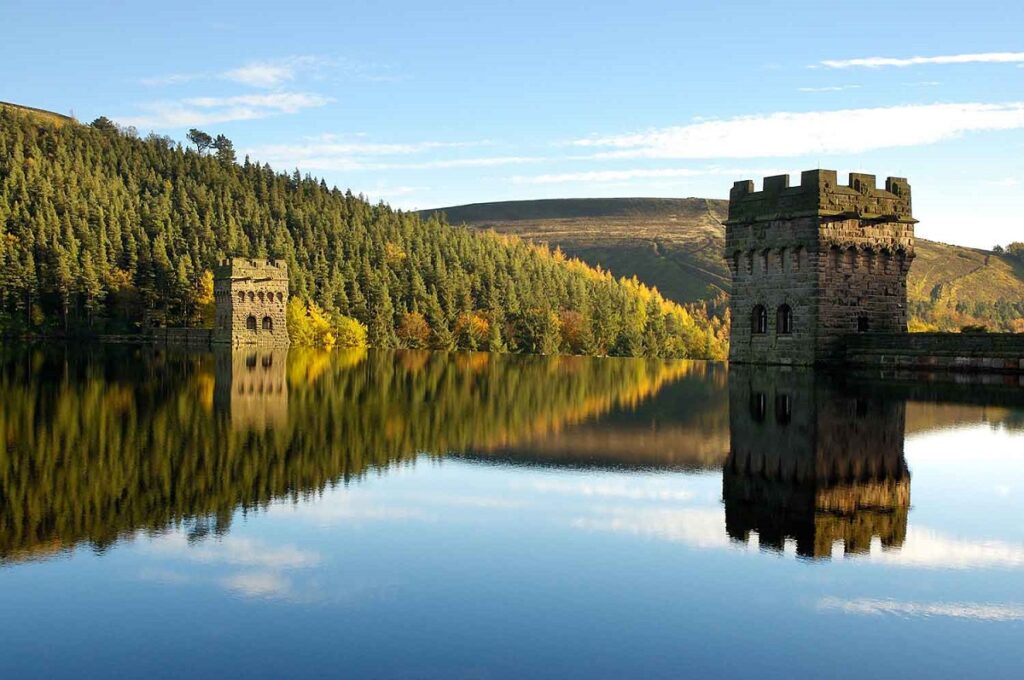
From September to November, the hills and woodlands are covered in golden and amber hues, offering stunning scenery for walkers and photographers alike. Do keep in mind that the air gets cooler and days grow shorter as autumn progresses.
For those who prefer solitude and a wintry charm, the months between December and February provide a quiet escape. Snow-dusted landscapes, frosty mornings, and warm evenings in village pubs add a peaceful and festive touch, despite the colder conditions.
Getting to Peak District National Park
Getting to the Peak District National Park from London is straightforward, with several transportation options depending on your travel style. The train is often the quickest and most convenient method to get there. There are direct East Midlands Railway services from London St. Pancras International to Sheffield taking just over two hours.
Alternatively, you can depart from London Euston to reach Manchester Piccadilly or Stockport, then continue your journey by local rail. Once you’re in the region, the Hope Valley Line offers a scenic route between Manchester and Sheffield. It stops in charming villages like Edale, Hope, Bamford, Hathersage, and Grindleford.
For a more economical, though longer, journey, long-distance bus companies such as FlixBus and National Express run regular services from London Victoria to Sheffield. Once in Sheffield, you can transfer to local buses that connect towns throughout the park.
Those who prefer to drive can expect a trip of around three hours from London. The drive covers around 171 miles, with the option to explore interesting stops like Windsor, Milton Keynes, or Warwick along the way. For international travelers or those short on time, flying into Manchester Airport and catching a train directly to a village such as Edale can be a convenient option.
Other Activities in Peak District National Park
The park’s rolling hills and scenic valleys are perfect for long walks, but those looking for something more adventurous often explore its fascinating cave systems. Among the most notable are Blue John, Peak Cavern, Poole’s Cavern, Speedwell, and Treak Cliff.
These offer a glimpse into the underground world of stalactites, stalagmites, and geological wonders. Peak Cavern, in particular, stands out as the largest and most dramatic, with a stream flowing through its cavernous interior.
Beyond natural attractions, the Peak District is steeped in history. In the village of Eyam, Eyam Museum tells the poignant story of the Black Death and the village’s remarkable self-quarantine. Matlock Bath hosts the Lead Mining Museum, where visitors learn about the once-booming mining industry and the harsh conditions faced by child laborers.
Park Fees in Peak District National Park
Peak District National Park charges no admission fees. However, parking fees may apply in certain locations, especially those overseen by the National Trust. Popular sites such as Kinder Scout, Edale, and areas along the High Peak are examples where charges are in place. At these National Trust-managed spots, visitors can expect to pay around £6 for up to four hours or £8 if they plan to stay longer.
FAQs
Is Peak District National Park worth visiting?
The Peak District National Park is absolutely worth a visit. With its mix of dramatic moorlands, gentle valleys, and picturesque villages, the park caters to a wide range of interests. Visitors can spend their time hiking scenic trails, cycling along quiet country lanes, or exploring historic estates and ancient stone villages that seem frozen in time.
How long to spend in Peak District National Park?
To make the most of a visit to the Peak District National Park, planning for at least three days and two nights is advisable. This gives you enough time to see some of the park’s standout features, such as the gritstone edges of the Dark Peak or the rolling limestone dales of the White Peak. However, if you want a deeper experience, a longer stay of five to seven days is ideal.
Conclusion
The Peak District National Park is not just a haven for outdoor recreation but also a symbol of public access to natural beauty. Today, the park remains a place where people of all backgrounds can come to reconnect with nature and enjoy the tranquility of one of England’s most treasured landscapes.