
Guide to Plitvice Lakes: Croatia’s Oldest National Park
As Croatia’s oldest and largest national park, Plitvice Lakes National Park is one of Europe’s most breathtaking natural wonders. This UNESCO World Heritage Site is renowned for its cascading lakes, lush forests, and an ethereal landscape that seems plucked from a fairy tale.
With a series of 16 terraced lakes connected by waterfalls and surrounded by verdant woodland, Plitvice offers a spectacular showcase of nature’s artistry. Plitvice’s lakes shimmer in shades ranging from azure and emerald to deep blue. These color changes are a result of mineral content, sunlight, and the presence of various organisms. Here’s our comprehensive guide to Plitvice Lakes National Park;
Please Download Our Mobile App here.
Overview of Plitvice Lakes National Park
Tucked within Croatia’s verdant Lika region, Plitvice Lakes National Park is a striking testament to the power and beauty of nature. Often referred to simply as Plitvice or by its Croatian name, Plitvička jezera, the park is Croatia’s oldest and largest national park, officially designated in 1949.
Spanning a vast expanse of forested valleys and cascading waters, Plitvice has captivated visitors for generations, earning its place as a UNESCO World Heritage Site. Covering around 8 square kilometers in its central accessible area, the park is a mesmerizing mosaic of 16 terraced lakes arranged at varying altitudes.
All the lakes are linked by an astonishing 92 waterfalls and cataracts. These dynamic water systems have carved a landscape of incredible geological and visual splendor. Dominated by tranquil beech forests that shift with the seasons, the park offers a peaceful, immersive escape into the heart of Croatia’s natural heritage.
Wildlife in Plitvice Lakes National Park

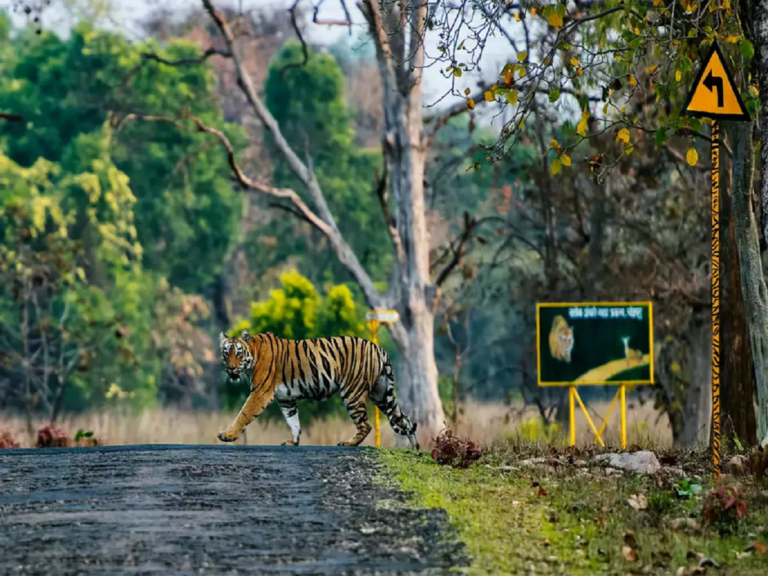
Plitvice Lakes National Park is not only a visual masterpiece of cascading lakes and waterfalls but also a vital sanctuary for wildlife. The park’s protected status has allowed a diverse array of animal species to thrive, including some that are rarely seen in other parts of Europe. Roaming its dense forests and remote corners are European brown bears, wolves, and lynxes.
The skies and treetops are home to majestic eagles, secretive owls, and the striking capercaillie, a bird known for its dramatic courtship display. Agile wildcats and a host of smaller creatures contribute to the rich biodiversity that defines this ecosystem. With at least 126 bird species recorded—70 of which are endemic to the park—Plitvice stands out as a crucial refuge for avian life.
Best Time to Visit Plitvice Lakes National Park
The ideal time to explore Plitvice Lakes National Park is during the shoulder seasons in spring and autumn, particularly in May, June, September, and October. These months strike the perfect balance between good weather and manageable crowds, allowing you to experience the park’s natural beauty at a more relaxed pace.
In spring, the landscape bursts to life with fresh greenery, wildflowers, and full, rushing waterfalls fueled by melting snow. Autumn brings a dramatic transformation, with the forested trails blanketed in vibrant hues of red, orange, and gold. Summer, on the other hand, tends to draw large numbers of tourists, which can diminish the serenity of the experience and make navigating the paths more challenging.
Winter offers a completely different, almost magical perspective of the park, with frozen lakes and snow-dusted waterfalls creating a fairy-tale setting. However, due to snow and ice, some trails and sections of the park may be inaccessible during the colder months.
Getting to Plitvice Lakes National Park

Getting to Plitvice Lakes is relatively easy, with well-maintained roads and multiple transportation options connecting it to major cities in Croatia. Whether driving or taking the bus, your adventure will likely take either the D429 or D52. However, most people opt for the former. The D429 road cuts through the eastern side of the park, linking the two main entrances.
This route is also frequented by long-distance buses that connect the inland regions of Croatia with the Adriatic coast. Renting a car is a particularly efficient way to reach the park. From cities like Zagreb and Zadar, the drive takes about two hours, while the trip from Split requires around three. The roads are in excellent condition, ensuring a comfortable drive.
For those traveling from Dubrovnik, the journey is significantly longer—around six hours by car. In such cases, break up the trip with an overnight stop in cities like Zadar or Split. Buses also run regularly from major hubs like Zagreb, where the ride to the park takes less than three hours.
From Split, the journey stretches to about five hours, still making it a feasible day trip for determined travelers. However, if you’re coming from Dubrovnik by bus, expect a nine-hour journey. In this case, staying overnight near the park is a smart choice. This allows you to rest and start your exploration of Plitvice Lakes refreshed and unhurried.
Other Activities in Plitvice Lakes National Park
Plitvice Lakes is divided into two main sections. The lower section is the most accessible and therefore the most frequently visited. Here, you’ll get clear views of the vivid turquoise waters and well-laid wooden walkways that wind around four of the park’s sixteen lakes. Here, visitors can walk up close to Veliki Slap, the park’s tallest waterfall at 78 meters, whose thunderous cascade and misty spray are a sensory highlight.
The upper section, though often quieter, is equally captivating but is currently not open to the public. For outdoor enthusiasts, the park features eight clearly marked circular hiking routes. Routes A, B, C, and K begin at Entrance 1 and are marked in green, while routes E, F, H, and K from Entrance 2 are marked in orange.
Each trail blends scenic boardwalks, tranquil forest paths, panoramic viewpoints, and boat or train rides, making them ideal for all types of travelers. Though swimming is not allowed in the lakes to protect the fragile ecosystem, there’s no shortage of activities that immerse visitors in the park’s extraordinary natural setting.
Park Fees in Plitvice Lakes National Park

Admission fees to Plitvice Lakes vary depending on the time of year and the type of ticket purchased. For adults, one-day tickets are priced from around 10 Euros ($11.85) during the off-season (January, February, March, November, and December). In the shoulder months of April, May, and October, the fee rises to around 23.5 Euros ($26.5).
The cost peaks during the busy summer months (June through September) reaching around 39.87 Euros ($43). For those planning a more immersive experience, two-day passes are also available. Parking is not included in the ticket price and is charged separately.
FAQs
Is Plitvice Lakes National Park worth visiting?
Plitvice Lakes National Park in Croatia is definitely worth a visit. Known for its 16 interconnected lakes that cascade into one another through a series of more than 90 waterfalls, the park offers an unforgettable experience in nature. Surrounded by dense, green forests and traversed by wooden boardwalks and scenic trails, it’s a place where visitors can truly immerse themselves in the beauty of the outdoors.
How long do you need at Plitvice Lakes National Park?
Exploring Plitvice Lakes National Park typically takes around 4 to 5 hours. This is enough time to walk the main trails, admire the stunning waterfalls, and enjoy the unique landscape of terraced lakes. However, if you have more flexibility in your schedule, you could easily spend the entire day there.
Conclusion
Whether you’re a nature lover, a photographer, or a traveler looking for serenity, Plitvice Lakes National Park is a destination that stirs the soul. Its unique geology, crystal-clear lakes, and timeless beauty make it not just a Croatian treasure, but one of the natural jewels of the world.