Guide to Rapa Nui: Chile’s Archaeological Treasure Trove
Found on the remote and enigmatic Easter Island in Chile, Rapa Nui is one of the world’s most fascinating archaeological and natural destinations. The park is a UNESCO World Heritage Site, celebrated not only for its striking volcanic landscapes but also for its remarkable collection of moai statues.
Plan this trip with the Secret World app Organizza questo viaggio con l’app Secret World Organiza este viaje con la app Secret World Préparez ce voyage avec l’app Secret World Планируйте это путешествие в приложении Secret World 用 Secret World App 规划这次旅行
🌍 Secret World — the world’s largest digital travel guide, with millions of curated places, itineraries, and local stories. 🌍 Secret World — la più grande guida di viaggio digitale al mondo, con milioni di luoghi selezionati, itinerari e storie locali. 🌍 Secret World — la guía de viaje digital más grande del mundo, con millones de lugares seleccionados, itinerarios e historias locales. 🌍 Secret World — le plus grand guide de voyage numérique au monde, avec des millions de lieux sélectionnés, d’itinéraires et d’histoires locales. 🌍 Secret World — крупнейший в мире цифровой путеводитель с миллионами отобранных мест, маршрутов и локальных историй. 🌍 Secret World —— 全球最大的数字旅行指南,汇集数百万精选景点、行程和本地故事。
See all the places from this guide on an interactive map, save them to your own trip, and discover more hidden spots nearby. Guarda tutti i luoghi di questa guida su una mappa interattiva, salvali nel tuo itinerario e scopri altri posti nascosti nei dintorni. Ve todos los lugares de esta guía en un mapa interactivo, guárdalos en tu propio viaje y descubre más rincones ocultos cerca de ti. Voyez tous les lieux de ce guide sur une carte interactive, enregistrez-les dans votre voyage et découvrez encore plus de pépites cachées à proximité. Смотрите все места из этого гайда на интерактивной карте, сохраняйте их в своё путешествие и находите ещё больше скрытых локаций рядом. 在互动地图上查看本指南中的所有地点,把它们保存到自己的行程,并发现更多附近的隐藏景点。
These enormous stone figures, carved by the Rapa Nui people centuries ago, are enduring symbols of a culture that thrived in isolation. Trails wind across these terrains, offering hikers the chance to see both iconic moai and lesser-known sites like the ahu and ancient cave paintings.
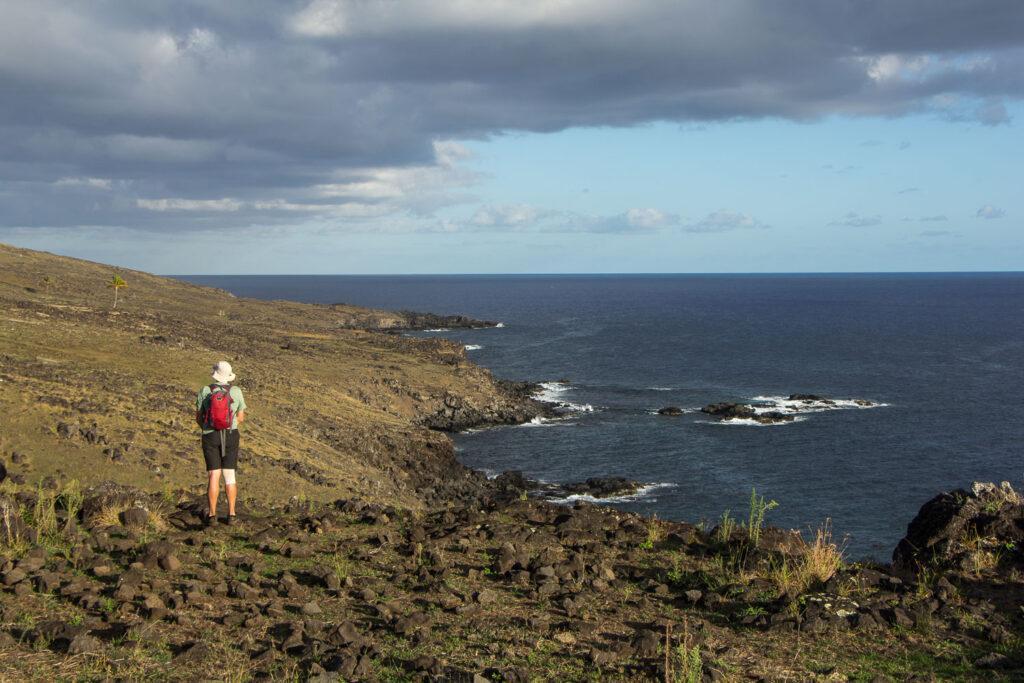
The park is also known for its volcanic cones, rugged lava fields, and lush coastal cliffs provide a stark contrast to the nearby Pacific Ocean. Here’s our comprehensive guide of Rapa Nui National Park;
Please Download Our Mobile App here.
Overview of Rapa Nui National Park
Rapa Nui National Park is located some 3,700 kilometers west of mainland Chile on the remote Easter Island in the southeastern Pacific Ocean. The island was first encountered by Europeans in 1722 when Dutch explorer Jacob Roggeveen arrived on Easter Sunday. He named it Easter Island. This UNESCO World Heritage site preserves much of the island’s unique cultural and natural heritage.
It covers roughly 163 square kilometers (about 40% of the island) offering protection to a landscape that is both mystical and striking. The landscape is defined by rolling hills, rugged coastlines, volcanic craters, and occasional freshwater lakes. The park itself stretches in a roughly triangular shape, about 13 miles long and nearly 7 miles wide, rising from sea level to a height of 980 feet.
Rapa Nui is most famous for its nearly 900 moai statues, the monumental stone figures that have fascinated historians and archaeologists for centuries. These statues, carved from volcanic rock, are thought to represent ancestors of the Rapa Nui people. The national park also contains other vital archaeological features like the ceremonial platforms known as Ahu, intricate petroglyphs, and the Rano Raraku quarry.
The former is the original source of the stone used to carve the moai. Most of Easter Island is covered in grass, with only sparse trees and shrubs, and of the 150 plant species recorded, about 45 are endemic. Volcanic craters and the rugged coastline provide dramatic backdrops to the archaeological treasures, creating a landscape where history and nature intertwine.
Also Read: Best Resorts in Chile.
Wildlife in Rapa Nui National Park


Rapa Nui National Park is not particularly renowned for its wildlife, but the island does host a surprising mix of species. Among the more notable animals are a few marine turtles, including the Green Sea Turtle and the Hawksbill Turtle, as well as two species of lizards. Birdlife is limited today, with only four species recorded, one marine and three terrestrial.
However, historically the island supported more than 30 species of land and sea birds. Many of these birds have disappeared or no longer visit, leaving seabirds as the primary wild residents. The motus off Rano Kau, particularly Motu Iti and Motu Nui, remain critical habitats for seabird colonies like Masked and Brown Boobies, Sooty Terns, and various petrels.
There were also birds that have been introduced to the park such as the Chilean Tinamou, Chimango Caracara, Diuca Finch, and Rock Pigeons. Domestic fowl, particularly chickens or moa in the Rapa Nui language, were introduced by the first Polynesian settlers and housed in stone henhouses called hare moa.
Mammals are almost entirely absent naturally, with only rodents such as the ditch rat, house rat, and common vole recorded in the park. Domestic animals like sheep, goats, and cows were als brought by 19th-century missionaries. One of the most remarkable aspects of the island’s fauna today is the free-roaming horse population. There are around 6,000 and already exceeding the human population on the island.
Best Time to Visit Rapa Nui National Park
The best time to visit Rapa Nui depends on the kind of experience you are seeking. The high season (December to March) offers the warmest and sunniest weather. During the months, temperatures average around 25 degrees Celsius, making it perfect for walking outoors. February is particularly lively, as the annual Tapati Rapa Nui festival fills the island with cultural events and traditional competitions.
The event is highly subscribed, so make hotel bookings before flying into the country. Those looking for a balance between pleasant weather and fewer tourists might prefer the shoulder seasons of October to November and April to June. During these months, temperatures are mild, humidity is lower than in summer, and the park is less crowded, offering a more relaxed and enjoyable visit.
The low season (May to September) sees cooler temperatures and an increased chance of rain, particularly in the winter months like July. However, this period provides a quiet and introspective experience of the island. It’s ideal for those who prioritize solitude and are less concerned with dreary weather.
Getting to Rapa Nui National Park


The most practical way to get there from Santiago is by air, with LATAM being the only airline that currently operates flights to Hanga Roa. The flight takes roughly 5.5 hours, and services run frequently, often daily or several times per week. Tickets can be expensive and their demand is high, so book your flight before flying to the country.
A less common alternative is to visit via cruise ship, as some itineraries include Easter Island as a stopover. However, it is far more costly and requires a longer travel commitment, with trips ranging in duration and typically including only a few days on the island. There are no public ferries or other means to reach the island besides these two options.
Other Activities in Rapa Nui National Park
The park features 14 distinct trails that wind through its volcanic terrain. Each trail offers a unique perspective, from close-up views of the monolithic figures. Walking these paths provides an engaging way to connect with the island’s history while also enjoying the natural beauty of Easter Island.
Park Fees in Rapa Nui National Park
Rapa Nui charges different admissions depending on nationality and age. Foreign tourists are charged $100, while their kids pay $40. Chilean pay 40,000 Chilean pesos and their kids 20,000 pesos. It is important to note that all visitors must explore the park’s archaeological sites accompanied by an accredited local guide.
FAQs
Is Rapa Nui National Park worth visiting?
Yes, Rapa Nui National Park is definitely worth visiting. The park’s iconic moai statues, carved by the Rapa Nui people centuries ago, are unlike anything else in the world. Beyond the statues, the park’s remote location and dramatic scenery create an unforgettable experience for travelers seeking both history and natural beauty.
How long to spend in Rapa Nui National Park?
To fully experience Rapa Nui National Park, you should plan for a minimum of three days. This timeframe allows you to cover the must-see attractions without feeling rushed, but for a more relaxed and thorough exploration, a five-day visit is ideal. This gives you the flexibility to move at a comfortable pace, explore lesser-known sites, and enjoy some beach time.
Conclusion
Rapa Nui National Park is more than a collection of statues and landscapes; it is a place where the past and present meet. While here, you’ll reflect on human creativity, resilience, and the delicate balance between culture and nature.
Take this guide with you on the road Porta questa guida con te in viaggio Lleva esta guía contigo en el viaje Emportez ce guide avec vous sur la route Возьмите этот гид с собой в путешествие 旅途中随身携带本指南
Don’t just read about this place – use this guide while you’re actually there. Non limitarti a leggere di questo luogo: usa questa guida mentre sei davvero lì. No te limites a leer sobre este lugar: usa esta guía mientras estás realmente allí. Ne vous contentez pas de lire sur ce lieu : utilisez ce guide quand vous êtes vraiment sur place. Не просто читайте об этом месте — используйте этот гид, когда вы действительно здесь. 不要只在网上看看这个地方——真正到访时也用这份指南。
- See all these places on a live interactive map
- Vedi tutti questi posti su una mappa interattiva in tempo reale
- Ve todos estos lugares en un mapa interactivo en vivo
- Voyez tous ces lieux sur une carte interactive en temps réel
- Смотрите все эти места на интерактивной онлайн-карте
- 在互动地图上查看所有这些地点
- Save this guide as a trip and edit it on the go
- Salva questa guida come itinerario e modificala in qualsiasi momento
- Guarda esta guía como un viaje y edítala sobre la marcha
- Enregistrez ce guide comme itinéraire et modifiez-le à tout moment
- Сохраняйте этот гид как маршрут и редактируйте его в пути
- 将本指南保存为自己的行程,并随时编辑
- Discover more hidden spots around you with one tap
- Scopri altri posti nascosti intorno a te con un solo tap
- Descubre más rincones ocultos a tu alrededor con un solo toque
- Découvrez encore plus de lieux cachés autour de vous en un seul clic
- Находите ещё больше скрытых локаций вокруг одним касанием
- 一键发现你周围更多隐藏景点