
Guide to Sangay National Park: Ecuador’s Rugged Marvel
Ecuador’s Sangay National Park is a remarkable natural treasure that embodies the raw beauty and ecological diversity of the country. Its dramatic terrain features active volcanoes, snow-capped peaks, deep valleys, and fast-flowing rivers. One of the most striking features of Sangay National Park is its volcanic activity.
The park is home to two active volcanoes, Tungurahua and Sangay, which are among the most powerful in the world. With so much on offer, it’s rather surprising that Sangay National Park often flies under the radar. Here’s our comprehensive guide to Sangay National Park;
Please Download Our Mobile App here.
Overview of Sangay National Park
A UNESCO World Heritage site since 1983, Sangay National Park stretches across the provinces of Morona Santiago, Chimborazo, Tungurahua, and Cañar. Covering roughly 2,730 square kilometers (about 1,054 square miles), it is the third-largest protected area in Ecuador. It is celebrated for its striking geological formations, including the two active volcanoes, Sangay and Tungurahua, as well as the extinct El Altar volcano.
The park’s landscape offers a dramatic panorama where the high Andes meet the Amazon basin. Together, they create a mosaic of ecosystems that range from tropical rainforests in the lowlands to glaciers and snow-capped peaks at higher altitudes. This remarkable altitudinal variation, which spans from 2,952 feet (900 meters) to 17,450 feet (5,319 meters), supports an impressive diversity of plant and animal life.
Over 3,000 species of vegetation thrive within the park including vibrant orchids and bromeliads. The terrain also features tropical rainforests, cloud forests, montane forests, grasslands, wetlands, valleys, and mountain peaks. More than 320 lagoons punctuate the mountainous regions, adding to the park’s ecological richness.
Also Read: Best Resorts in Ecuador.
Wildlife in Sangay National Park
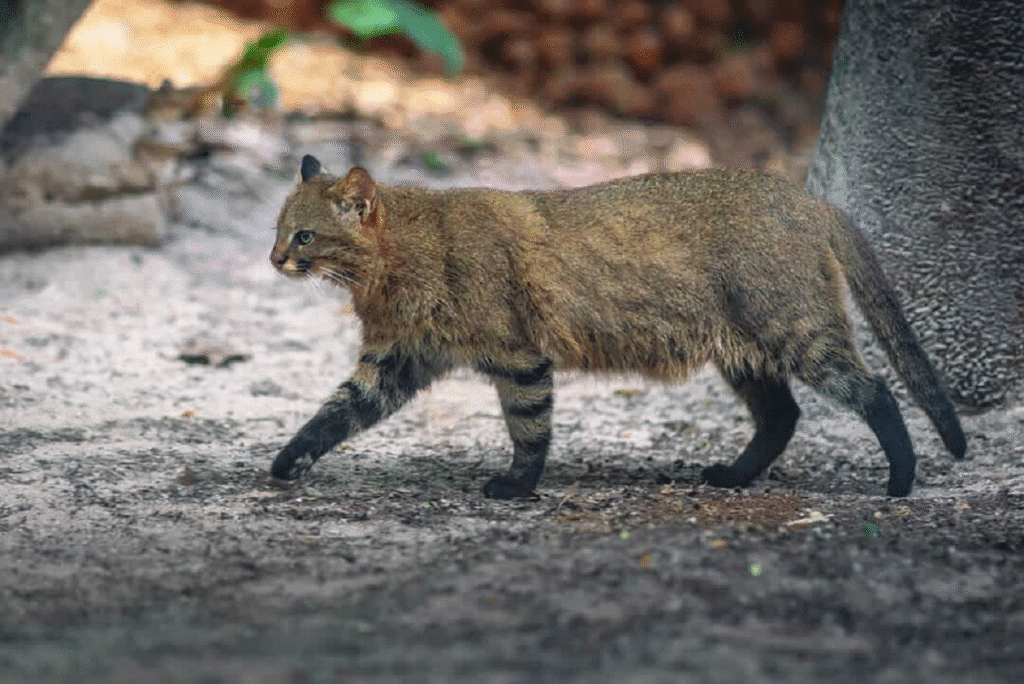
Sangay National Park is a haven for wildlife, offering a glimpse into some of Ecuador’s most iconic and elusive species. Among the park’s top predators are jaguars, pumas, ocelots, paramo wolves, and pampas cats. These roam the varied landscapes from dense rainforests to high-altitude grasslands.
You’ll also spot other mammals like the Brazilian tapir, mountain tapir, margay, spider monkey, red brocket deer, northern pudu, anteaters, spectacled bear, and white-tailed deer. Sangay is equally remarkable for its birdlife, with over 400 species recorded, including many restricted to the eastern Andes.
Notable birds include the majestic Andean condor, the giant hummingbird, the king vulture, and the swallow-tailed kite. Sangay’s ecosystems support a diverse array of amphibians, with numerous species still being discovered.
Best Time to Visit Sangay National Park
The best time to explore Sangay National Park is during its dry seasons. From June to September, the park experiences a dry period with excellent trails and manageable weather. During these months, the conditions are ideal for hikers looking to navigate its rugged terrain. Another optimal window is from November to February, when the weather tends to be sunnier and drier, though occasional rain showers can still occur.
Visiting outside these months can be more challenging, as the park is prone to cold, wet, windy, and foggy conditions that can make trekking difficult. In some cases, the trails are covered in fog, making it difficult to trace your journey.
Getting to Sangay National Park
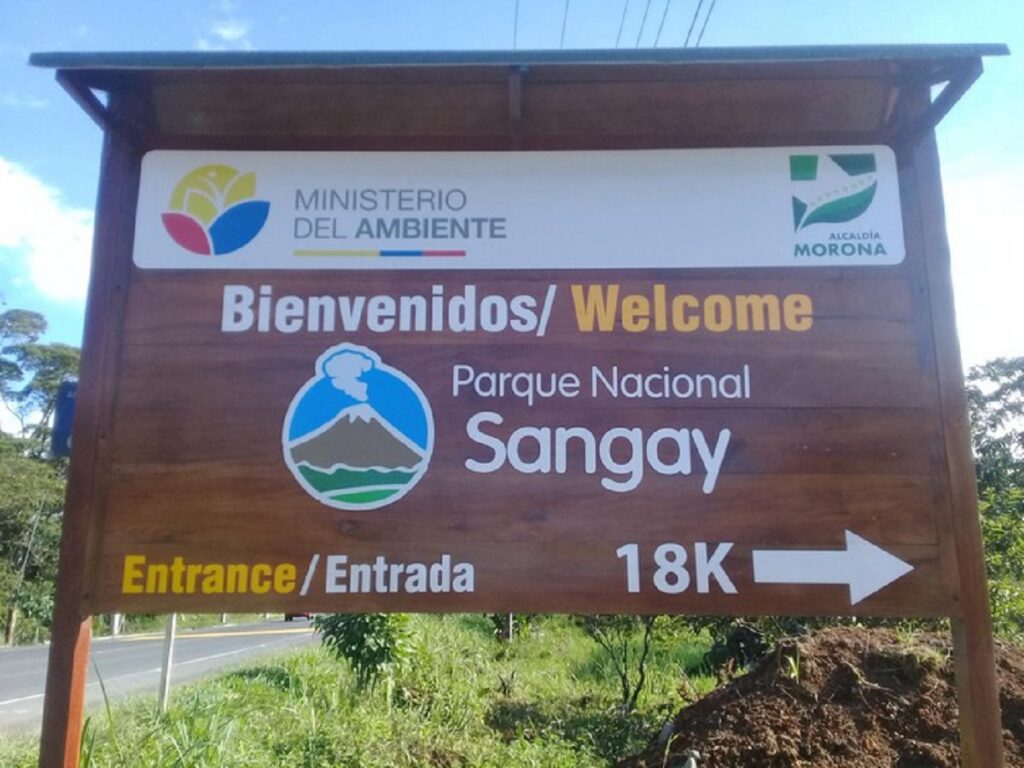
The most common option is to travel by bus. There are several buses that travel from Quito to the city of Riobamba. Once there, you’ll board another bus or taxi to reach the park entrance. In some cases, it’s much better to ask with your hotel or tour operator to coordinate transfers from Riobamba because local transportation to the park is sometimes limited.
Driving offers a more flexible alternative. By car, you can head south from Quito along the Pan-American Highway toward Riobamba. This will give you the freedom to stop along the way and explore some of the more remote areas surrounding the park. Air travel is also possible but you’ll spend more time on multiple transfers making overland the best option. The nearest major airport is in Cuenca.
Other Activities in Sangay National Park
Beyond its breathtaking scenery and volcanic drama, Sangay National Park offers a variety of outdoor activities. The park lies within the Andes mountain range, where the imposing silhouettes of the extinct El Altar volcano and the active giants, Sangay and Tungurahua, dominate the skyline.
Hiking is one of the most rewarding ways to explore the park, taking adventurers through a mix of high-altitude plains, cloud forests, and volcanic slopes. The terrain can be demanding, with steep climbs and significant elevation changes posing challenges even for seasoned trekkers. However, not every trail requires strenuous effort—Sangay also features shorter, more accessible routes ideal for those seeking a gentler experience.
Park Fees in Sangay National Park
Sangay National Park charges an admission of around $10.
FAQs
Is Sangay National Park worth visiting?
Yes, Sangay National Park is absolutely worth visiting. The park’s dramatic scenery creates a rare blend of ecosystems that few places on earth can match. Its remote location ensures an authentic off-the-beaten-path experience, far removed from the usual tourist routes. You can hike through pristine valleys, watch wildlife in untouched habitats, and even catch glimpses of active volcanic peaks rising above the clouds.
How long to spend in Sangay National Park?
The amount of time you should spend in Sangay National Park depends largely on how deeply you want to explore its diverse landscapes. If you’re short on time, a 1-2 day visit is enough to get a feel for the park’s beauty. For those looking to venture further, a 3-day itinerary allows for a more immersive experience.
Conclusion
Sangay National Park is a testament to Ecuador’s natural wealth and ecological importance. Its blend of dramatic landscapes, active volcanoes, and rich biodiversity make it a destination that captivates scientists, adventurers, and nature lovers alike. The park rewards those who venture into its remote wilderness with experiences that are both humbling and unforgettable.