
Guide to Sipacate Naranjo: Guatemala’s Lesser-known Coastal Nature Reserve
Sipacate Naranjo National Park is one of Guatemala’s lesser-known coastal treasures, stretching along the Pacific shoreline in the Escuintla department. Unlike the country’s more famous highland parks and volcanic landscapes, Sipacate Naranjo offers a raw, lowland environment shaped by mangroves, black-sand beaches, estuaries, and tropical forests.
Established to protect vital coastal ecosystems, the park plays a vital role in biodiversity conservation, particularly for marine and bird life. Its relative obscurity has helped preserve its natural character, making it an appealing destination for travelers seeking an authentic and uncrowded experience of Guatemala’s Pacific coast. Here’s our comprehensive guide to Sipacate Naranjo National Park;
Overview of Sipacate Naranjo National Park
Sipacate Naranjo National Park is a quiet haven for backpackers and nature lovers seeking an alternative to Guatemala’s well-worn tourist routes. The park stretches roughly 20 kilometers along the south-facing Pacific coast and measures about one kilometer wide, covering around 2,000 hectares.
It was established in 1969 to safeguard the coastal and marine ecosystems of Guatemala’s Pacific shoreline. The park features a striking mix of white, black, and red mangrove forests set against dramatic coastal scenery. Within the park boundaries, small communities continue traditional livelihoods such as fishing, manual salt harvesting, and agriculture.
El Paredón, a beach and mangrove zone within the reserve, is especially popular for birdwatching thanks to the abundance of aquatic bird species. Another key area, La Poza del Nance, is an important breeding site for the Parlama turtle, highlighting the park’s role in marine conservation.
Also Read: Best Resorts in Guatemala.
Wildlife in Sipacate Naranjo National Park

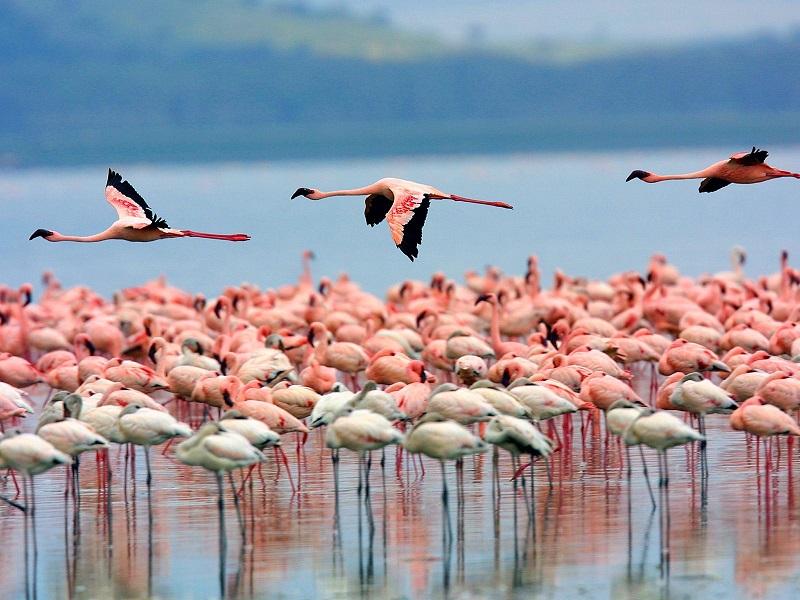
Wildlife in Sipacate Naranjo National Park is remarkably diverse, making the reserve one of the most important coastal ecosystems in Guatemala. More than 90 bird species inhabit or pass through the park. These include; pelicans, herons, cormorants, anhingas, kingfishers, frigate birds, ibises, plovers, dotterels, ospreys, hawks, seagulls, and roseate spoonbills.
Located along a major migration corridor, the Sipacate–Naranjo Nature Reserve also supports several endangered and vulnerable species. These include; the pied-billed grebe, brown pelican, great white heron, snowy egret, little blue heron, tricolored heron, and black-necked stilt.
The park’s beaches are also critical nesting grounds for endangered sea turtles, including the olive ridley, green Galapagos turtle, leatherback turtle, and hawksbill turtle. Reptiles such as iguanas and freshwater turtles are commonly found in the mangrove and wetland areas. There have also been occasional crocodile sightings.
Best Time to Visit Sipacate Naranjo National Park
Sipacate Naranjo National Park offers a range of simple but rewarding outdoor activities that are closely tied to seasonal conditions. The most pleasant time to explore the park is during the dry season from November to April. During this window, sunshine is more reliable and temperatures typically range between 25°C and 30°C, making walking trails, beach strolls, and mangrove excursions far more comfortable.
The wetter months from May to October bring heavier rainfall and higher humidity, with temperatures rising to around 32°C. These conditions can limit access to some areas and turn paths muddy, though the landscape becomes especially lush.
Visiting early in the morning or late in the afternoon enhances activities such as photography, casual hiking, and wildlife spotting. It is much cooler due to temperature dips and softer light coincide with increased animal activity. Due to the humid environment year-round, we recommend you pack some insect repellent or bug spray.
Getting to Sipacate Naranjo National Park

Reaching Sipacate Naranjo National Park from Guatemala City is relatively straightforward, with several transport options depending on budget and comfort. Driving is the fastest choice. You’ll travel for about an hour via the CA-9 highway to Escuintla before continuing on the CA-2 toward Siquinalá.
For those eager to indulge the local culture of Guatemalans, the journey leads through La Democracia and La Gomera on the way to Sipacate. Travelers without a car can opt for a bus and taxi combination, which usually takes around an hour and a half and is the most economical option.
Public buses, often called chicken buses, run frequently but can be crowded, while tourist shuttles provide a more comfortable alternative at a higher cost. From Sipacate or nearby towns such as Taxisco, a short taxi or tuk-tuk ride leads to the coast. At El Escondite dock, you must hire a boat to cross into the park and reach El Paredón Buena Vista, which serves as the main access point within the national park.
Other Activities in Sipacate Naranjo National Park
Beyond wildlife observation, Sipacate Naranjo National Park offers a wide range of activities that appeal to different travel styles and energy levels. Aquatic routes by boat wind through narrow canals and mangrove forests, providing a peaceful way to experience the park’s coastal ecosystems from the water. On land, a network of trails ranges from gentle beach walks to more demanding jungle paths.
The park is particularly well suited to independent exploration. So, you can navigate many areas without joining organized tours, allowing for a flexible, self-guided experience. However, changing weather and trail conditions require careful planning and awareness. Terrestrial trails also attract birdwatchers, especially in forested sections where diverse species are commonly seen.
Along the Sipacate beach, surfing is a popular option thanks to consistent Pacific waves. The park’s location also makes it a convenient base for broader exploration. There are several in-roads from Siquinalá to destinations such as Atitlán Volcano, Lake Atitlán, and additional birdwatching areas.
Park Fees in Sipacate Naranjo National Park

Park fees at Sipacate Naranjo National Park are relatively affordable. Visitors can expect to pay an entrance fee that generally falls between $5 and $10 per person. Those interested in staying overnight should factor in additional camping fees, typically ranging from $5 to $15 per night depending on the site.
For a more in-depth visit, guided tours are available and can significantly enrich the experience. Their prices usually vary from $30 to $100 based on duration and what is included, such as transportation, meals, or equipment.
FAQs
Is Sipacate Naranjo National Park worth visiting?
Sipacate Naranjo National Park is worth visiting, especially for travelers who value nature, wildlife, and a peaceful setting. The park stands out for its largely untouched landscapes, where mangrove forests and calm lagoons create an important refuge for birds and other wildlife. The park’s black-sand beaches add to its appeal for their ecological importance as nesting sites for sea turtles.
How long to spend in Sipacate Naranjo National Park?
Most visitors find that spending half a day to a full day in Sipacate Naranjo is sufficient to experience its main attractions. The park is best explored through guided activities such as kayaking or boat tours through the mangrove channels. These waterways offer excellent opportunities to spot bird species like pelicans, herons, and kingfishers, as well as reptiles including iguanas, turtles, and occasionally crocodiles.
Conclusion
Sipacate Naranjo National Park represents a vital but often overlooked part of Guatemala’s natural heritage. Its mangroves, beaches, and wildlife play an essential role in protecting coastal ecosystems and supporting biodiversity along the Pacific coast.