
Guide to Tatra: Poland’s Sprawling Alpine Expanse
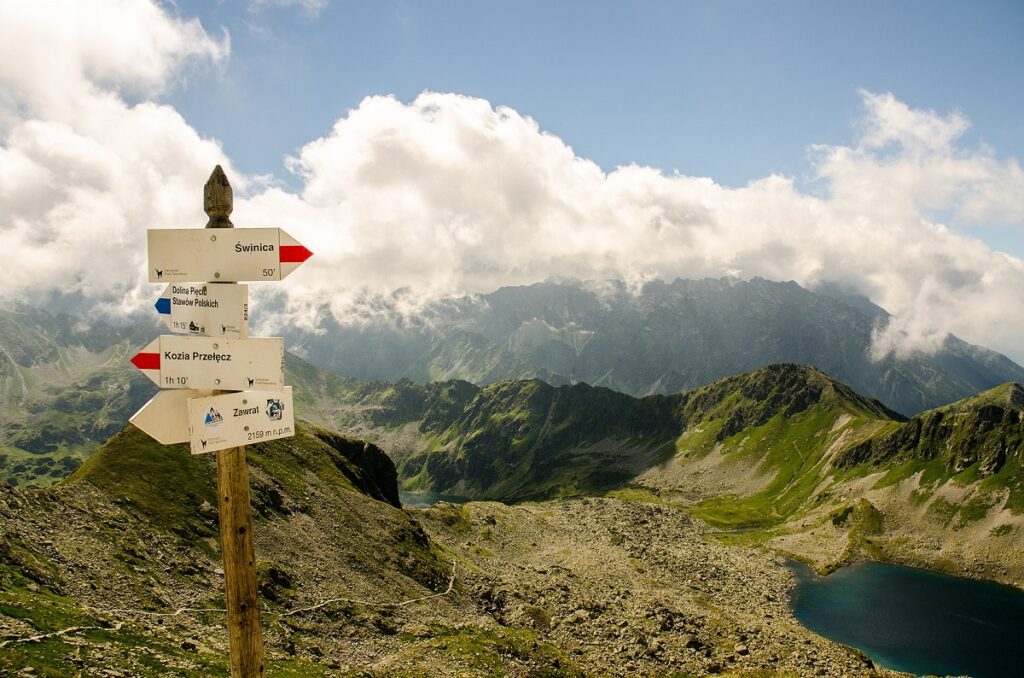
Nestled in southern Poland, Tatra National Park is a dramatic slice of alpine wilderness that captivates nature lovers, hikers, and wildlife enthusiasts alike. Spanning the Tatra Mountains, this UNESCO-designated biosphere reserve is a haven of jagged peaks, glacial lakes, roaring waterfalls, and deep valleys carved by ancient ice.
The Polish Tatras, while smaller than their alpine cousins in Western Europe, punch well above their weight in terms of natural beauty. Mount Rysy, the highest peak in Poland (2,499 meters), marks the park’s rugged skyline and also forms part of the Polish-Slovak border.
Towering cliffs and sharp ridgelines give way to subalpine meadows and pine-covered slopes, offering a visual feast across all seasons. Here’s our comprehensive guide to Tatra National Park;
Please Download Our Mobile App here.
Overview of Tatra National Park
Tatra National Park lies in the Tatra Mountains, situated in the southern central region of Poland. Spanning an area of 81.71 square miles (211.64 square kilometers), it forms part of a dramatic alpine landscape that Poland shares with Slovakia. The mountains themselves serve as a natural border between the two countries.
Slovakia also preserves its portion through a sister protected area under the same name—Tatra National Park Slovakia. The Polish side of the range includes both the High Tatras and Western Tatras, regions renowned for their rugged, jagged peaks and striking geological formations. The highest point in Poland, Mount Rysy, rises to 8,199 feet (2,499 meters), offering breathtaking views and challenging climbs.
Beneath the surface, the park is home to over 600 caves, the most extensive of which is Wielka Śnieżna. Stretching 11 miles (18 kilometers) with a depth of 2,671 feet (814 meters), it is both the longest and deepest cave in the region. Water features are equally dramatic—Wielka Siklawa, the tallest waterfall in the park, plunges from a height of 230 feet (70 meters).
Morskie Oko, the largest lake by surface area at nearly 3.8 million square feet (349,000 square meters), draws many visitors for its scenic beauty. While Wielki Staw is similar in size, it boasts greater depth, reaching down 260 feet (79.3 meters), making it the deepest lake in the park.
Wildlife in Tatra National Park

Tatra National Park is a sanctuary for an impressive range of wildlife, making it one of the most ecologically rich areas in Central Europe. Among its most celebrated residents is the Tatra chamois, a goat-antelope species found only in this region and proudly regarded as a symbol of the park. The rugged alpine landscape also supports elusive predators like the brown bear and the Eurasian lynx.
Other mammals such as wolves, red foxes, European otters, and wild boars also roam the forests and valleys. You’ll also encounter more elusive alpine species like the Tatra marmot and the alpine marmot. Birdlife in the park is equally vibrant, with sightings of the majestic golden eagle and the lesser spotted eagle often thrilling birdwatchers.
The sky and treetops are also home to a wide variety of smaller birds, including the common chaffinch, Eurasian eagle-owl, and the ever-watchful common kestrel. This diversity of species, set against a backdrop of dramatic peaks and untouched nature, underscores the park’s critical role in preserving Central Europe’s mountain biodiversity.
Best Time to Visit Tatra National Park
The best time to visit Tatra National Park is between late May and early October. During these months, the majority of trails are accessible and the weather is generally favorable. July through September is considered the peak hiking season, thanks to warm temperatures, long daylight hours, and relatively stable conditions. However, this also brings larger crowds, particularly in the popular mountain town of Zakopane.
For those seeking a quieter experience, September and early October are ideal—offering crisp air, fewer visitors, and the added bonus of vibrant autumn colors. While late May and June see improving weather and an increasing number of open trails, May tends to be the wettest month, so trail conditions can be unpredictable.
Winter (mid-November through February) provides a serene and uncrowded atmosphere, but many trails may be inaccessible due to snow. Spring and autumn also offer great opportunities for outdoor activities like cycling, especially in the High Tatras region, though visitors should be prepared for variable weather.
Getting to Tatra National Park

Traveling to Tatra National Park from Warsaw is relatively straightforward, with three main options: train, bus, or car. While each method has its pros and cons, taking the train is considered the most convenient for travelers who prefer comfort and scenic routes.
Operated by PKP Intercity, the train journey takes roughly 8 hours and follows a route that passes through Bohumín and Štrba before arriving at Štrbské Pleso. Train tickets range from €28 to €50. Buses offer a slightly shorter ride—about 8 hours and 12 minutes—with FlixBus providing service from Warsaw’s West Bus Station to Poprad.
Tickets for this option typically cost between €35 and €55, making it a competitive alternative for budget-conscious travelers. For those who prefer flexibility and speed, driving the 443-kilometer journey is the quickest option. Your adventure will take around 5 hours and 25 minutes, though fuel prices and potential tolls should be factored into the overall cost.
Other Activities in Tatra National Park
Tatra National Park offers far more than just scenic vistas—it’s a dynamic playground for outdoor enthusiasts of all levels. Recognized by CNN as one of the world’s 30 best parks to visit, this alpine gem is not only the most visited national park in Poland but also a standout destination in Europe. Among its most iconic features is Rysy, a towering mountain with three distinct peaks.
The other two peaks lie across the border in Slovakia, reinforcing the park’s cross-national allure. At the base of Rysy sits Morskie Oko, a stunning glacial lake often referred to as the “eye of the sea,” known for its crystalline waters framed by dramatic mountain scenery.
Beyond these landmarks, the park boasts over 170 miles of trails that cut through pristine alpine terrain. These hiking routes range from easy walks suitable for families to challenging all-day climbs and multi-day treks, with some paths even paved for easier access.
Park Fees in Tatra National Park
Visitors to Tatra National Park are required to pay an entrance fee. A standard day pass is priced at 11 PLN ($2.75). Students, seniors, and individuals with disabilities benefit from a discounted rate of 5.50 PLN (around $1.40). Children under the age of seven can explore the park free of charge.
For those planning a longer stay or multiple hikes, a convenient weekly pass is available for 55 PLN (about $13.70). There’s also a reduced weekly rate set at 27.50 PLN (around $6.85). Tickets can be purchased at park entry points or online.
FAQs
Is Tatra National Park worth visiting?
Yes, Tatra National Park is definitely worth visiting. Renowned as one of the most beautiful and well-protected alpine regions in Europe, it offers a diverse range of natural attractions, from stunning mountain scenery to unique flora and fauna.
How long to spend in Tatra National Park?
To truly appreciate the natural beauty and diversity of Tatra National Park, it’s best to set aside at least three days. This gives you enough time to experience some of the park’s most iconic sights, like Morskie Oko and the Valley of Five Lakes, without feeling rushed.
Conclusion
Tatra National Park offers a rare blend of dramatic natural beauty, rich biodiversity, and accessible adventure. Whether you’re chasing sunrises from a windswept peak or sipping mulled wine in Zakopane after a day on the trails, the Tatras leave a lasting impression.