Guide to Volcanoes: Africa’s Cradle of Adventure
Volcanoes National Park in the northwest of Rwanda is a world-renowned destination celebrated for its awe-inspiring volcanic landscapes and its role in the conservation of the endangered mountain gorilla. Established in 1925, it is one of Africa’s oldest national parks and has been at the forefront of gorilla conservation efforts. The park covers an area of 160 square kilometers and is part of the larger Virunga Massif, which spans the borders of Rwanda, Uganda, and the Democratic Republic of Congo.
With its lush rainforests, dramatic volcanic peaks, and diverse wildlife, Volcanoes National Park offers an unparalleled experience for those interested in wildlife, adventure, and natural beauty. This guide will explore what makes Volcanoes National Park a premier destination, from its extraordinary wildlife encounters to practical travel tips and more.
Please Download Our Mobile App here.
Overview of Volcanoes National Park
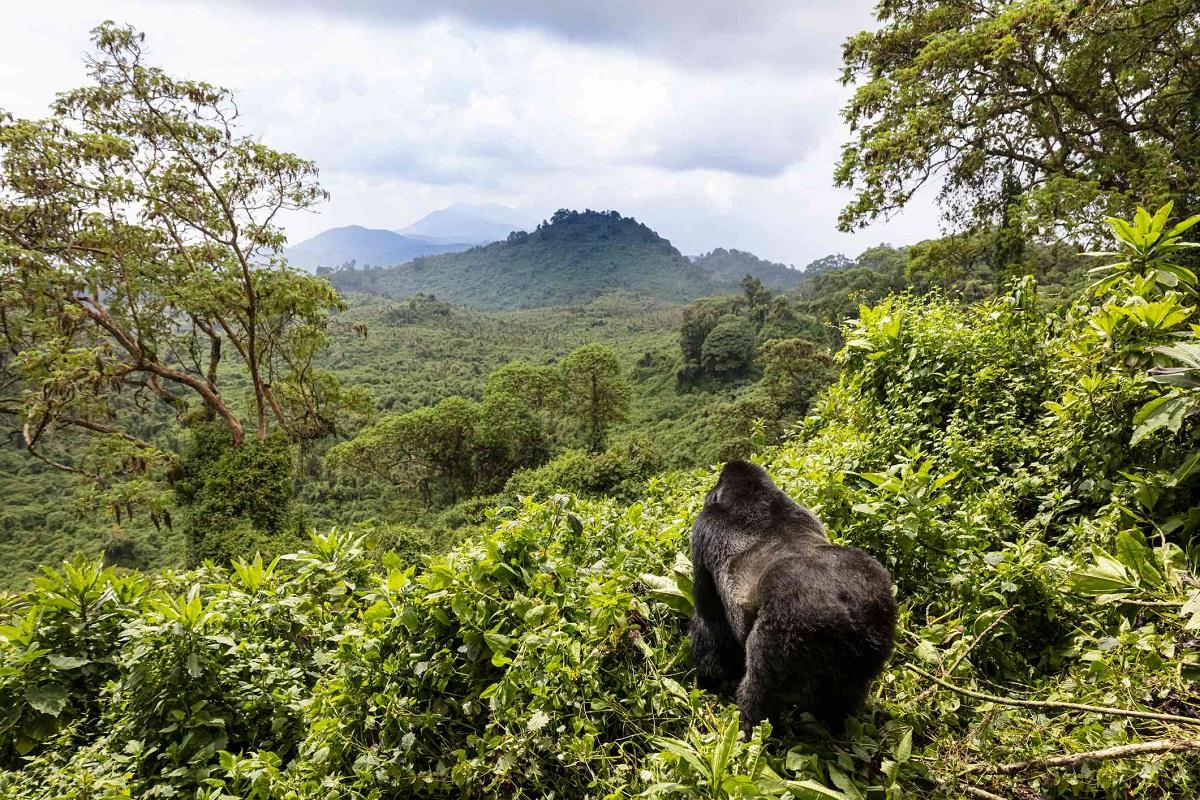
Volcanoes National Park is located in the Virunga Mountains, a chain of volcanic peaks that includes Mount Karisimbi, Mount Bisoke, Mount Muhabura, Mount Sabyinyo, and Mount Gahinga. The park’s name reflects the dominant volcanic features that shape its rugged landscape, with peaks rising to over 4,000 meters above sea level. The park’s diverse habitats, ranging from bamboo forests to montane grasslands, create a mosaic of environments that support a rich variety of flora and fauna.
The park’s history is deeply connected to the conservation of the mountain gorilla, a species that was once on the brink of extinction. In the 1960s, Dian Fossey, a pioneering primatologist, established the Karisoke Research Center within the park to study and protect these majestic creatures. Her groundbreaking work laid the foundation for ongoing conservation efforts and helped ensure the survival of the mountain gorilla.
Today, Volcanoes National Park continues to play a crucial role in the conservation of these great apes, with a well-established system of gorilla tracking and research. In addition to its gorilla conservation work, Volcanoes National Park is also known for its stunning scenery and diverse wildlife. The park’s lush forests and open grasslands provide habitat for a range of species, including golden monkeys, buffalo, elephants, and a variety of bird species.
Wildlife in Volcanoes National Park
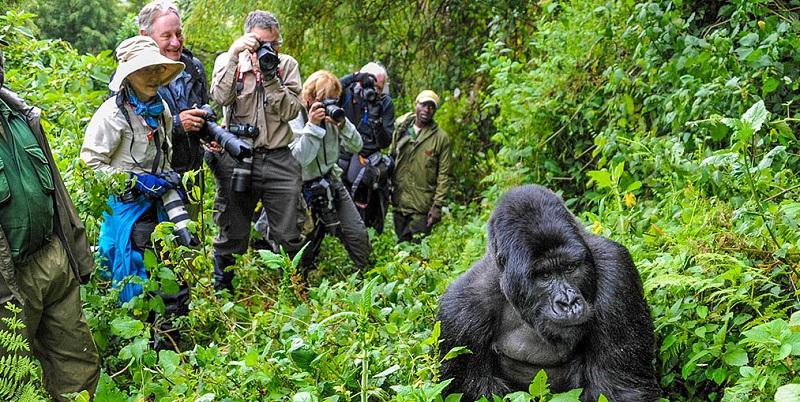
Volcanoes National Park is celebrated for its population of mountain gorillas, which are the primary draw for visitors. The park is home to about half of the world’s remaining mountain gorilla population, making it one of the best places in the world to observe these critically endangered animals. Gorilla trekking is the park’s most popular activity, allowing visitors to experience the thrill of encountering these gentle giants in their natural habitat.
Each trek is led by an experienced guide who helps track the gorillas and ensures a respectful and safe interaction. In addition to mountain gorillas, the park is also home to a population of golden monkeys, another highlight for wildlife enthusiasts. Golden monkeys are known for their vibrant golden fur and playful behavior, and they can often be seen in the park’s bamboo forests.
Tracking golden monkeys is a unique experience that offers a chance to observe these rare and charming primates up close. The park’s diverse habitats support a variety of other wildlife species. The dense forests and open grasslands are home to buffalo, elephants, and antelope species such as the duiker. While sightings of these larger mammals are less common than gorillas and golden monkeys, they add to the park’s overall biodiversity.
Birdwatchers will find Volcanoes National Park to be a rewarding destination, with over 200 bird species recorded in the park. Notable species include the Rwenzori turaco, the mountain buzzard, and the black-fronted duiker. The park’s varied habitats provide ample opportunities for birdwatching, whether in the forest understory or along the park’s scenic trails.
The Best Time to Visit Volcanoes National Park
The best time to visit Volcanoes National Park depends on what you hope to experience and your preferences for weather. The park’s climate is influenced by its high altitude and proximity to the equator, resulting in a temperate climate with relatively stable temperatures year-round. The dry seasons, from June to September and from December to February, are generally considered the best times for gorilla trekking and other outdoor activities.
During these months, the weather is more predictable, with less rainfall and lower chances of muddy trails. The dry conditions make it easier to track gorillas and enjoy the park’s scenic beauty without the challenges of heavy rain. The wet seasons, from March to May and from October to November, bring heavier rainfall and more challenging trekking conditions.
While the rains can make trails muddy and slippery, they also create a lush, green landscape and offer excellent opportunities for birdwatching. The wet season is also less crowded, which can enhance the sense of solitude and offer a more intimate experience with nature. Regardless of when you visit, it is essential to prepare for the park’s variable weather conditions and be ready for potentially challenging trekking conditions.
Getting to Volcanoes National Park
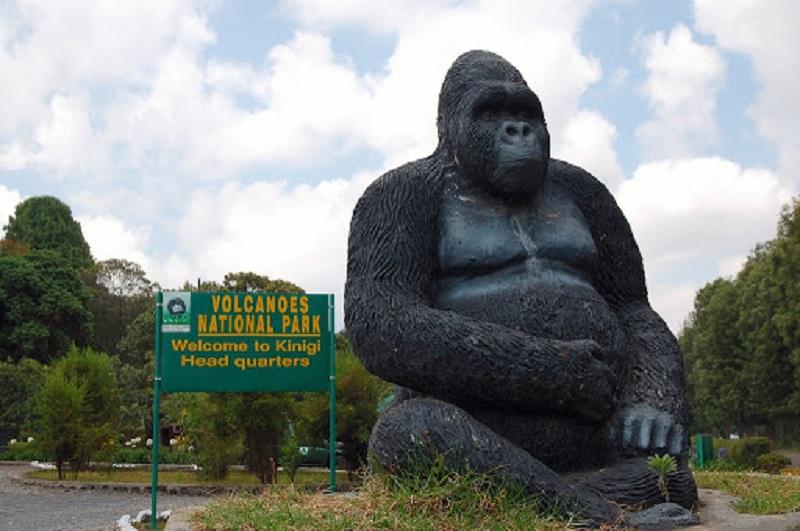
Volcanoes National Park is located about 110 kilometers from Kigali, Rwanda’s capital city. The journey from Kigali to the park takes about 2 to 3 hours by road, making it relatively easy to access. The most common route is to drive from Kigali to Musanze, a town located near the park’s entrance.
From Musanze, it is a short drive to the park’s visitor center and the start of gorilla trekking activities. For visitors flying into Rwanda, Kigali International Airport is the main entry point. Several airlines offer flights to Kigali from major cities in Africa and Europe. Once in Kigali, transportation to Volcanoes National Park can be arranged through tour operators or car rental services.
Many visitors choose to book guided tours that include transportation, park fees, and accommodations. Traveling to Volcanoes National Park from neighboring countries is also possible. The park is accessible from Uganda and the Democratic Republic of Congo, though it is advisable to check visa requirements and border crossing regulations in advance. Cross-border travel may require additional arrangements and permits, so it is essential to plan ahead and ensure all necessary documentation is in order.
Other Activities in Volcanoes National Park
In addition to gorilla trekking, Volcanoes National Park offers a range of other activities that allow visitors to explore its diverse landscapes and wildlife. One popular activity is hiking to the summit of Mount Bisoke, an active volcano that features a beautiful crater lake at its peak. The hike to Mount Bisoke is a challenging but rewarding experience, offering stunning views of the surrounding mountains and the opportunity to see unique plant and animal species along the way.
Another notable activity is a visit to the Dian Fossey Gorilla Fund’s Karisoke Research Center. This center, established by the legendary primatologist Dian Fossey, provides insights into the ongoing research and conservation efforts for mountain gorillas. Guided tours of the research center offer a fascinating glimpse into the work being done to protect and study these incredible animals.
Birdwatching is also a highlight in Volcanoes National Park, with numerous trails and viewpoints offering excellent opportunities to observe a variety of bird species. The park’s diverse habitats support a rich avifauna, including rare and endemic species that are of interest to both amateur and experienced birdwatchers.
Cultural experiences are another option for visitors, with opportunities to engage with local communities and learn about their traditions and way of life. Cultural visits can include interactions with the indigenous Batwa people, who have a deep connection to the park’s forests and wildlife.
Park Fees for Volcanoes National Park
As of 2024, the entrance fees for Volcanoes National Park are as follows:
- Gorilla Trekking Permit: $1,500 per person
- Golden Monkey Trekking Permit: $100 per person
- Park Entrance Fee: $15 per person per day for non-Rwandan visitors
- Park Entrance Fee for Rwandan Citizens: $10 per person per day
These fees support the park’s conservation efforts and help maintain its infrastructure. The cost of gorilla trekking permits is significantly higher due to the extensive conservation work and the limited number of permits available each day. It is advisable to book permits well in advance, as they are in high demand and can sell out quickly.
FAQs: Touring Volcanoes National Park
Do I Need a Car to Tour the Park?
While a private car is not strictly necessary for a visit to Volcanoes National Park, it is highly recommended for convenience and ease of travel. Many visitors choose to arrange transportation through tour operators who provide vehicles and guides for the journey from Kigali to the park.
Are Unguided Walks Allowed in the Park?
Unguided walks are not allowed in Volcanoes National Park. All trekking activities, including gorilla and golden monkey tracking, must be conducted with a licensed guide to ensure safety and protect wildlife.
How Much is a Game Drive in the Park?
Volcanoes National Park does not offer traditional game drives, as its primary focus is on gorilla trekking and other hiking activities. The cost of gorilla trekking permits is $1,500 per person, while golden monkey trekking permits are $100 per person. These fees cover the cost of guided treks and park entrance.
Conclusion
Volcanoes National Park is a premier destination for wildlife enthusiasts and adventure seekers, offering unparalleled opportunities to encounter mountain gorillas and explore breathtaking volcanic landscapes. With its rich history of conservation, diverse wildlife, and stunning scenery, the park promises a truly unforgettable experience.