
Guide to Yala: Sri Lanka’s Stunning Nature Reserve
Nestled on the southeastern coast of Sri Lanka, Yala National Park stands as one of the country’s most renowned and biodiverse protected areas. It is not only Sri Lanka’s second-largest national park but also one of the most visited, thanks to its rich mix of wildlife, spectacular landscapes, and opportunities for adventure.
Yala is famous for its diverse ecosystems, which include dry monsoon forests, scrubland, grasslands, wetlands, and saltwater lagoons. These varied environments make it a haven for both flora and fauna, offering sanctuary to an array of wildlife species. Among its most prized inhabitants is the elusive Sri Lankan leopard.
The park also has one of the highest concentrations of these majestic big cats, making it a dream destination for wildlife photographers and safari enthusiasts. Here’s our comprehensive guide to Yala National Park;
Please Download Our Mobile App here.
Overview of Yala National Park
Located around 20km southeast of Tissamaharama, Yala National Park (Yala West or Ruhunu National Park) is Sri Lanka’s most visited and rewarding wildlife reserve. Covering 1,260 square kilometers, the park’s diverse ecosystems include monsoon forests, dry monsoon forests, thorn forests, wetlands, grasslands, marshes, and sandy beaches along the coast.
Although four-fifths of the park is designated as a Strict Natural Reserve and closed to the public, the accessible areas are teeming with wildlife. Yala East National Park, located on the far side of the Strict Natural Reserve, can only be reached via Arugam Bay.
As the park has no public transport, visitors must either hire a driver or join a tour to explore. The park’s landscape is predominantly made up of metamorphic rock, covered by reddish-brown and grey soil.
Wildlife in Yala National Park
Yala National Park is home to some of Sri Lanka’s most iconic wildlife, with its most famous residents being the elusive Sri Lankan leopards. The park boasts the highest concentration of these big cats in the world, especially in Block 1, which is the only section open to visitors. Around 60–70 leopards are thought to reside in this area.
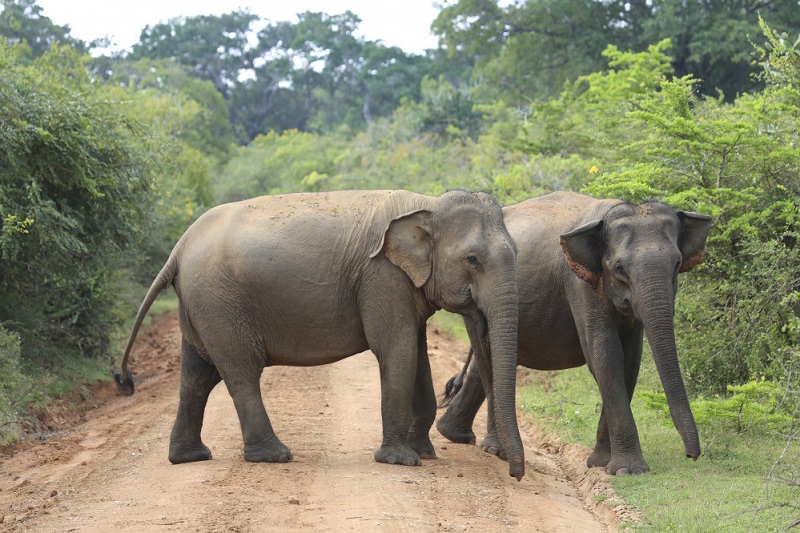
Leopards are primarily active at night, with most daytime sightings involving cubs and sub-adults, who can often be spotted playing near their mothers. These young leopards are particularly unafraid of humans, offering unique opportunities for observation. Yala is also a prime destination for elephant sightings, especially during the dry season when the animals gather at waterholes.
The park is also home to a diverse range of mammals, such as sambar and spotted deer, wild boar, wild buffalo, sloth bears, monkeys, jackals, mongooses, and even rare wild cats. Visitors are also likely to encounter crocodiles. Birdwatching is another highlight of Yala, with over 130 species recorded, including the graceful peacock and the less elegant jungle fowl, Sri Lanka’s national bird.
Best Time to Visit Yala National Park
The best time to visit Yala National Park is during the dry season (from February to June) when wildlife is more easily spotted around the park’s waterholes. February to March are the peak months for spotting leopards. May and June offer dry conditions with fewer tourists, making for a more peaceful experience.
However, the dry season also coincides with peak tourist season, so expect some crowds. July and August, while still dry, bring larger crowds due to the European summer holidays. If you’re looking for a quieter time, visiting during the dry season in May or June is ideal. November and December also offer serene experiences, though there’s a chance of rain, which may limit some wildlife viewing.
The park opens at 6 a.m. but most guides recommend getting there around 5:30 a.m. This ensures you’re one of the first to see animals before they retreat to the shade or more hidden areas as the day heats up. If you’re planning to visit in September, check the official website, as the park is typically closed for maintenance works during the month.
Getting to Yala National Park
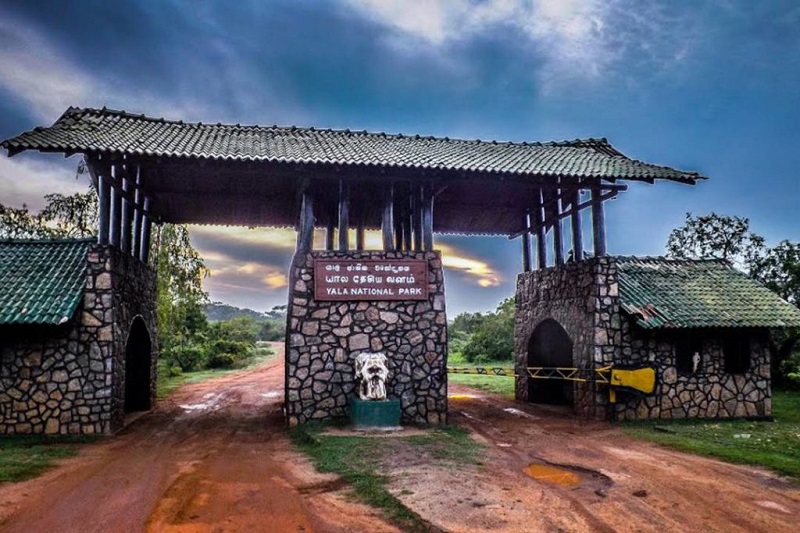
To reach Yala National Park in Sri Lanka, you have several travel options depending on your starting point. If you’re flying into the country, the most popular and convenient option is to drive from Bandaranaike International Airport (BIA) in Colombo, the island’s main airport. Alternatively, buses are available from several locations, including Colombo’s Bastian Mawatha Bus Terminal.
From here, you can travel to Kataragama and then take a short drive to the park. From other destinations like Mirissa, Ella, or Arugam Bay, buses head to Tissamaharama, which is also close to Yala. Once you arrive, you’ll need a vehicle to access the park, as it can only be explored along designated roads.
Since the park’s roads can be challenging, especially during the safari, it’s recommended to travel in a 4WD vehicle or a van with high ground clearance. If you don’t have access to one, safari jeeps can be hired at the park entrance. Also, consider hiring a local guide for your time in Yala. Local guides bring invaluable knowledge of the park, enriching your safari experience with insights about the wildlife and ecosystem.
Other Activities in Yala National Park
A visit to Yala National Park offers a wealth of activities that allow you to experience its rich wildlife and serene landscapes. A safari tour is undoubtedly the highlight, where you can spot leopards, elephants, crocodiles, and a variety of other animals in their natural environment. For the best wildlife encounters, consider a morning or late afternoon safari, when animals are most active.
For a more intimate experience, a guided bush walk offers a unique perspective of the park, allowing you to get up close to its smaller wonders, including plants, insects, and birds. The park also houses the ancient Sithulpawwa Temple, a Buddhist monastery over 2,000 years old.
For a peaceful retreat, the untouched beaches along Yala’s coastline are perfect for a leisurely walk or a sunset picnic. However, swimming is not recommended due to strong currents and the presence of wildlife.
Park Fees in Yala National Park

Yala National Park charges a reasonable entrance fee, with foreign adults paying $28 and foreign children just $8. These fees only give access to the park’s stunning wildlife and natural beauty, you’ll pay separate fees for jeep hires and tour guides. A half-day safari typically costs around $40, while a full-day safari can be rented for about $75. It’s mandatory to have a car for your trip to the park.
FAQs
What is special about Yala National Park?
Yala National Park is a truly unique destination. Interestingly, before its conservation efforts, Yala was used as a hunting ground for the British elite. Today, the park stands as a testament to successful wildlife preservation, boasting an impressive diversity of 44 mammal species and 215 bird species.
How long to spend in Yala National Park?
For an immersive experience of the region’s wildlife, spending three days in the area is ideal. With three days, you’ll have enough time to enjoy safari rides across the park.
Conclusion
Yala National Park is a must-visit for anyone with an appreciation for nature, wildlife, and adventure. Whether you’re looking to spot the elusive Sri Lankan leopard or simply immerse yourself in the serenity of the natural world, Yala offers an unforgettable experience.