Top Must-See Ruins of Ancient Civilizations
Exploring the ruins of ancient civilizations is an experience that bridges the present with a distant past, inviting us into the remnants of societies that once thrived with remarkable prowess. As you navigate these archaeological marvels, there’s a surreal quality to witnessing firsthand the grandeur of structures built with seemingly primitive tools.
Each site carries whispers of its former glory and hints of the ingenuity behind its construction, alongside the enigma of its eventual decline. From the prehistoric villages in the rugged landscapes of Peru to the pyramids of Giza, embark on a journey to unravel the mysteries of these ancient wonders.
Machu Picchu, Peru
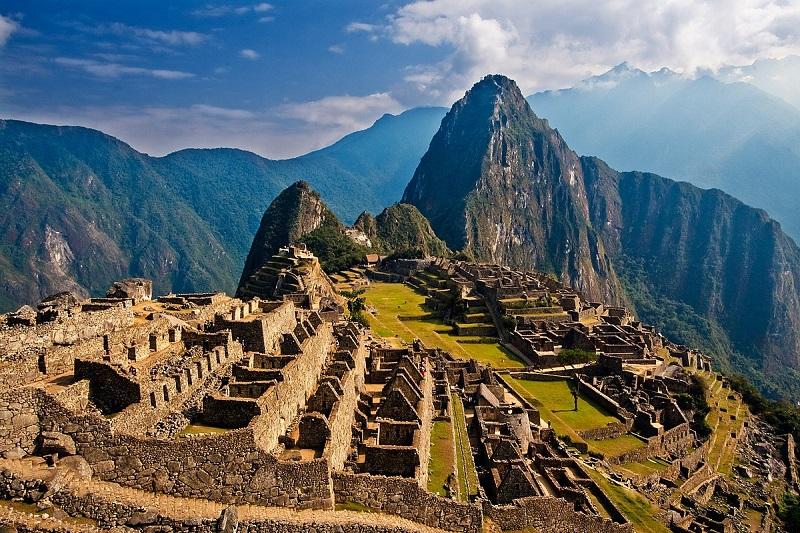
Believed to have been built in the 15th century by Inca ruler Pachacutec, this ancient complex includes hundreds of structures such as palaces, temples, baths, and residential buildings, all connected by an intricate water system. The precision of these constructions, achieved without the wheel, metal tools, or mortar, highlights the advanced skills of the Incas. The purpose and abandonment of Machu Picchu remain a mystery.
It is widely thought to have served as a retreat for Inca royalty, but its sudden desertion after the arrival of Spanish conquistadors adds to its enigma. Some suggest it was abandoned to protect it, while others believe it was a ceremonial site. Machu Picchu offers a unique glimpse into an ancient world, inviting visitors to explore its timeless beauty and ponder its secrets.
Whether you’re a history enthusiast, adventure seeker, or lover of stunning landscapes, Machu Picchu promises a profound and lasting impression. This mountaintop citadel is an essential experience for anyone captivated by the marvels of ancient civilizations.
The Great Sphinx of Giza, Egypt
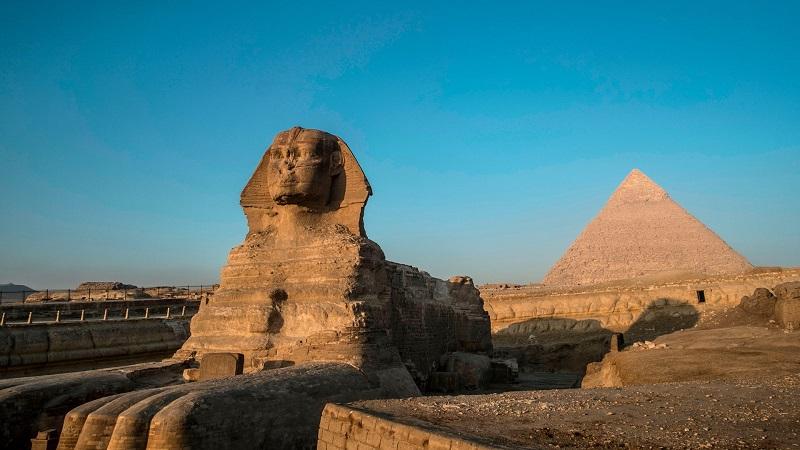
Located on the Giza Plateau near the banks of the Nile River, this monumental limestone flaunts ingenuity and artistry of ancient Egyptian civilization. As the largest monolithic statue in the world, measuring an impressive 240 feet long (73 meters) and 66 feet high (20 meters), the Sphinx is a marvel of ancient engineering. The Sphinx represents a mythical creature of Egyptian invention—half lion, half human—which later found its way into Greek mythology.
This combination of human intelligence and animal strength symbolizes the power and wisdom that the ancient Egyptians revered. The statue’s imposing presence has captivated visitors for millennia, drawing countless travelers to gaze upon its majestic form.
Believed to have been built during the reign of Pharaoh Khafre in the third millennium BC, the Sphinx was likely constructed to guard Khafre’s pyramid tomb, ensuring the pharaoh’s protection in the afterlife. However, the true origins of the Sphinx are shrouded in mystery. Some historians suggest that the monument might date back as far as 9,000 years, adding an even deeper layer of intrigue to its history.
The Giza Plateau, home to the Sphinx, is also the site of the Great Pyramids, making it a focal point of ancient Egyptian architectural and cultural achievement. The proximity of these monumental structures creates a breathtaking panorama that speaks to the extraordinary skills and spiritual devotion of the ancient Egyptians.
The Temples of Angkor, Cambodia
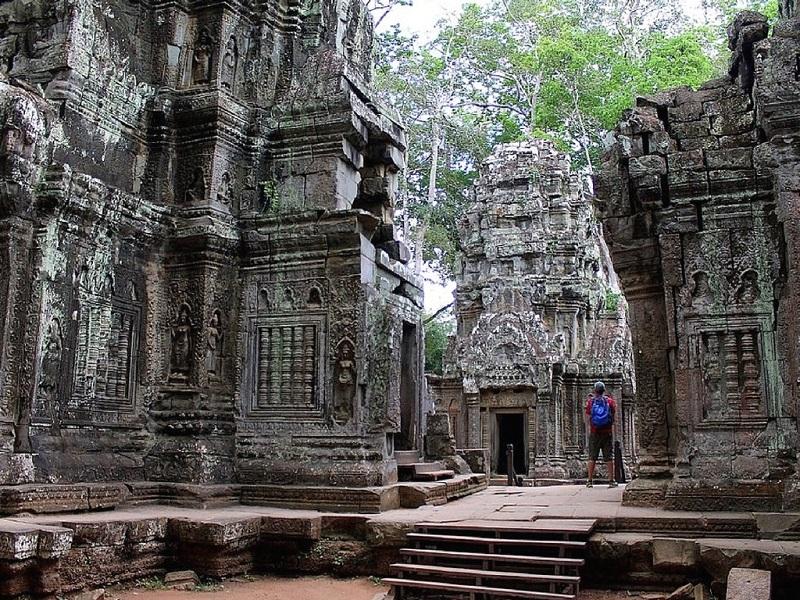
Serving as the capital from the 9th to the 15th century, Angkor was established by the Hindu king Jayavarman II. Over the centuries, it flourished into the largest urban complex of the preindustrial world, housing nearly one million inhabitants at its peak.
An expedition to Angkor is a journey back in time, where you can wander through a maze of vine-covered temples, marvel at larger-than-life sculptures, and relax in beautiful courtyards shaded by towering banyan trees. Each corner of this ancient city tells a story of its former glory.
One of the most fascinating aspects of Angkor is its sophisticated hydrological system. This complex network of canals, reservoirs, and basins was not only a marvel of engineering but also the lifeline of the city, supporting its large population and agricultural needs. The remains of this intricate system can still be explored today, offering insight into the advanced knowledge and skills of the Khmer engineers.
While the exact cause of Angkor’s downfall remains shrouded in mystery, recent research suggests that climate change might have played a crucial role. This theory adds a poignant layer to the exploration of Angkor, reminding us of the delicate balance between human civilization and nature.
Lascaux Cave Paintings, France
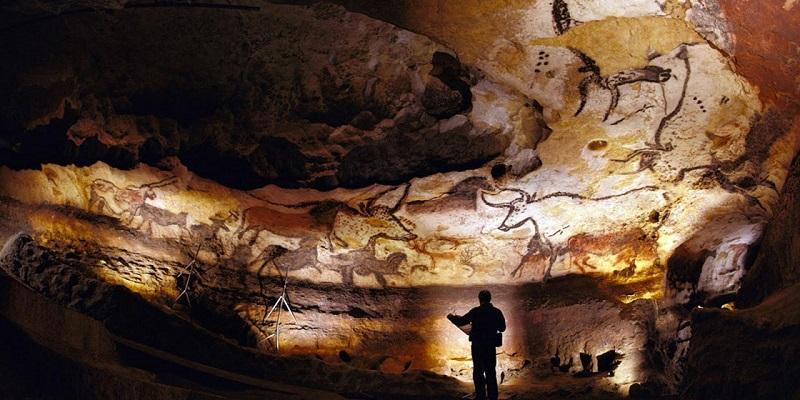
This extraordinary subterranean world, filled with some of the world’s most elaborate and best-preserved Paleolithic cave paintings. Nearly 20,000 years old, the Lascaux caves feature intricate images and engravings that depict a variety of animals, including bulls, mammoths, and lions, alongside abstract designs.
These artworks are masterfully colored in shades of red, brown, black, and violet, showcasing the early humans’ impressive artistic capabilities and deep connection with their environment. Since 1963, the original Lascaux caves have been off-limits to visitors to prevent the deterioration of these priceless works of art.
However, the spirit and grandeur of Lascaux live on through the efforts of a dedicated team of scientists, technicians, and artists. At the nearby International Centre for Cave Art, they have painstakingly recreated the cave complex using cutting-edge laser imaging and 3D-printing technology.
This remarkable achievement allows modern visitors to experience the wonder of Lascaux in a way that preserves the original site for future generations. A specially arranged visit to the International Centre for Cave Art, guided by a prehistoric cave expert, offers an unparalleled opportunity to delve into the mysteries of our ancestors. The lifelike reproductions of hundreds of paintings and engravings provide an immersive experience that brings to life the creativity and ingenuity of early humans.
Skara Brae, Scotland
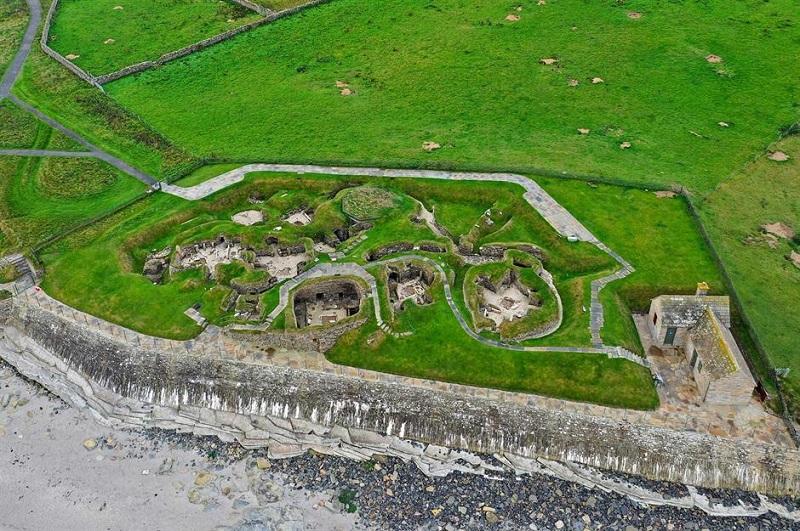
Dating back around 5,000 years, this remarkably well-preserved Neolithic site predates both Stonehenge and the Pyramids of Giza, making it one of the most significant archaeological treasures in Europe. Skara Brae offers an unparalleled glimpse into prehistoric life. The village consists of a series of interconnected stone homes, where nearly everything remains intact except for the roofing.
Visitors can marvel at the stone beds, dressers, and even Scotland’s earliest-known toilet, all meticulously crafted by the village’s former inhabitants. This level of preservation allows us to see, almost firsthand, the daily lives of the farmers, hunters, and artisans who once thrived in this community.
Walking through Skara Brae, you can almost hear the echoes of the past. The absence of human remains or signs of conflict adds an intriguing layer of mystery to the site. Why did the residents abandon their homes around 2500 BC? The unanswered question about their sudden departure adds to the allure of this ancient village, inviting endless speculation and wonder.
Pompeii, Campania, Italy
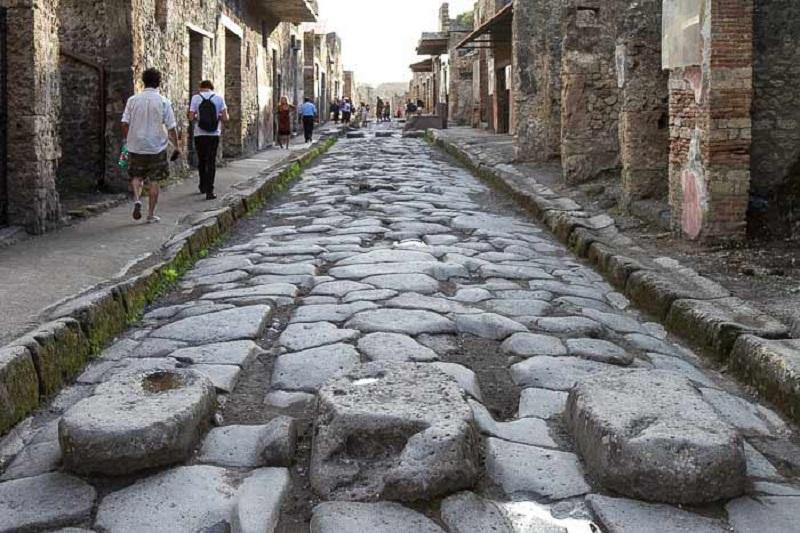
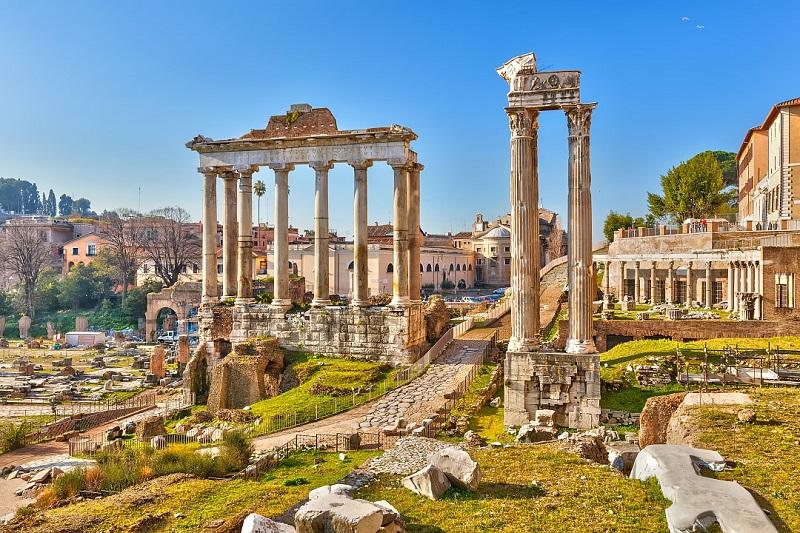
This remarkable concentration of heritage sites like Pompeii stands out as a must-see destination for anyone fascinated by ancient civilizations. Pompeii, an archeological site, offers a rare glimpse into a nearly intact Roman town, frozen in time by the catastrophic eruption of Mt. Vesuvius nearly 2,000 years ago. The experience of walking through Pompeii is like stepping into a living museum.
You’ll have the opportunity to explore ancient temples, grand villas, and bustling shops, all meticulously preserved under layers of volcanic ash. These remnants of daily life provide a unique insight into the social, economic, and cultural fabric of ancient Roman society. Nearby, the ruins of Herculaneum and Paestum further enrich the historical landscape of Campania.
Herculaneum, much like Pompeii, was buried under volcanic ash, but its preservation is even more striking due to the different conditions of its burial. The site offers an intimate look at Roman domestic life, with wooden structures, textiles, and even food items remarkably well-preserved.
Paestum, on the other hand, takes you back even further in time with its majestic Greek temples. These ancient structures stand as a testament to the region’s diverse cultural influences and its significance as a crossroads of civilizations.
Enjoy Your Trip back in Time
So there you have it, intrepid explorers—your guide to the top must-see ruins of ancient civilizations. Whether you’re seeking selfie gold or pondering the meaning of life, these historical hotspots are sure to tickle your archaeological fancies. Remember, leave nothing but footprints, take nothing but photos, and maybe a piece of ancient wisdom or two.