Guide to Spending a Weekend in Dhaka, Bangladesh
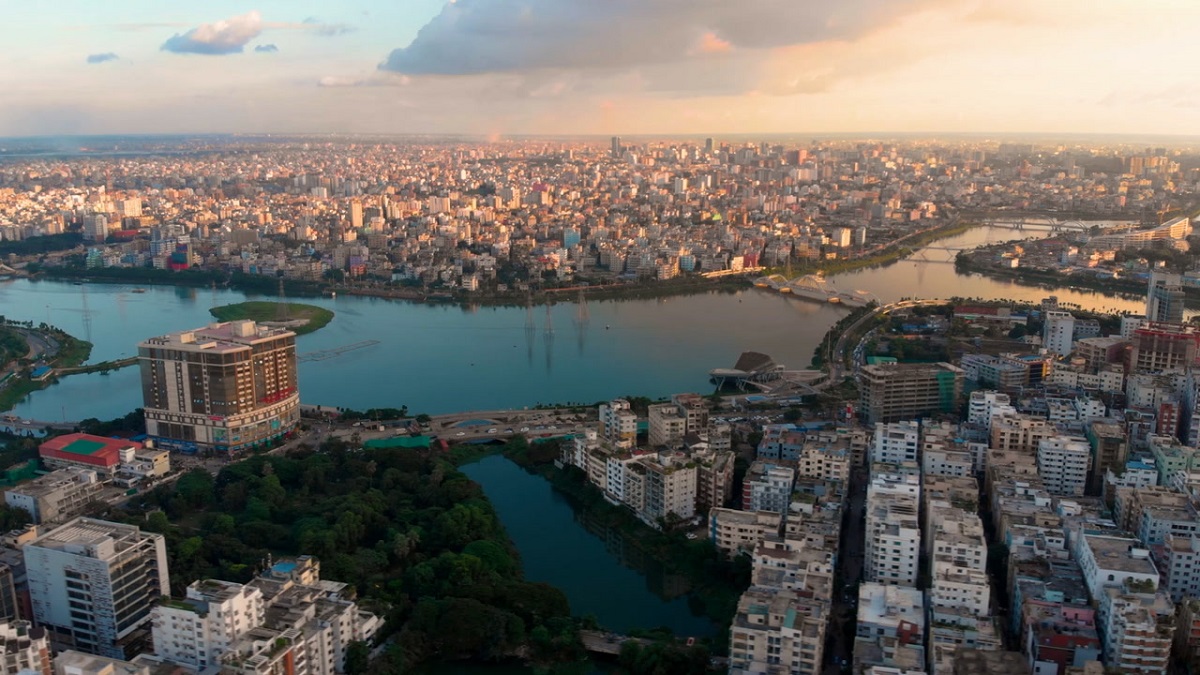
Bangladesh’s capital is not a city that whispers its charm. It announces itself loudly, confidently, and with a soundtrack of honking horns, clanking rickshaws, and animated conversation. Dhaka is frequently labeled the world’s most “unlivable” city in rankings by well-known international publications, and the reputation isn’t hard to understand.
Overcrowding defines daily life, traffic clogs every major artery, and muddy rivers and canals weave through the urban sprawl. Crossing the city can take up to three hours in normal conditions, turning simple commutes into endurance tests. But if you have the bug of adventure, this city will feel more like a rough diamond with unbelievable potential.
It’s a place where history, creativity, and everyday life overlap so tightly that there’s barely room to separate them. Dhaka doesn’t try to impress with polish; it wins you over with personality. Here’s our guide to spending a weekend in Dhaka;
Best Time to Visit Dhaka

The best time to visit Dhaka is during the cooler, drier winter season from November to February. During these months, the city is at its most comfortable and accessible. Daytime temperatures typically range between 15 and 25 degrees Celsius. This makes it far easier to explore outdoor markets, historical landmarks, and busy neighborhoods without the exhaustion of extreme heat or the disruption of heavy rain.
However, this period is widely considered peak tourist season so expect to rub shoulders at various attractions. January is the most favorable month for most travelers due to its low average rainfall of around 7.7 mm and pleasant daytime highs near 25 degrees Celsius. For those who hate crowds but also want pleasant weather, October and March are the ideal shoulder months.
October marks the retreat of the monsoon but expect occasional lingering showers. On the other hand, March is mostly dry but noticeably warmer. Travel between June and September is best avoided, as the monsoon season brings intense rainfall and possible flooding.
Also Read: Top 5 Underrated Cities in the World.
Top Things to Do in Dhaka
Explore Lalbagh Fort

Lalbagh Fort (Fort Aurangabad) is a remarkable 17th-century Mughal fort complex that should be on every Dhaka itinerary despite being largely unfinished. It gets its name from the surrounding neighborhood, Lalbagh, meaning Red Garden. Completed in 1688 under the Mughal prince Muhammad Azam, the fort was originally intended as the official residence for the governor of the province.
While here, you can explore the governor’s house, the mosque, and the serene tomb of his daughter, Pari Bibi. All these are found within peaceful gardens that offer a welcome retreat from the city’s constant bustle. The fort is open year-round from 8 AM to 5 PM and charges around 400 taka (about $3) for foreigners.
See the Bustle of the City from Sadarghat

The jetties of Sadarghat along the Buriganga River offer one of Dhaka’s most vibrant and atmospheric people-watching experiences. This sprawling ferry terminal pulses with life, particularly in the early mornings. At this time of the day, massive launch boats arrive from towns in the southern delta, unloading a tidal wave of commuters from their wooden-and-metal hulls.
The energy is just as compelling in the evenings, as passengers crowd onto the same vessels for overnight journeys, creating a swirl of motion, color, and sound. Access to the piers requires only a modest 5 Taka platform ticket, a tiny price for the rich spectacle of daily life that unfolds with remarkable intensity.
Explore Old Dhaka

Old Dhaka, perched on the banks of the Buriganga River, is the historic pulse of Bangladesh’s capital, founded in 1608 and still thriving with energy. Its narrow lanes teem with life as pedestrians, rickshaws, cars, and trucks jostle for space. It’s a whirlwind of color, noise, and motion that feels almost cinematic.
Key landmarks like the pink-hued Ahsan Manzil, the imposing Lalbagh Fort, and the sacred Dhakeshwari Temple anchor the area in history. For foodies, street food stalls in Chawkbazar shouldn’t be missed. Also, the bustling textile markets in Islampur showcase the city’s enduring commercial spirit. In some streets, the lanes shrink to the point where only pedestrians can squeeze through.
See the Parliament House of Bangladesh
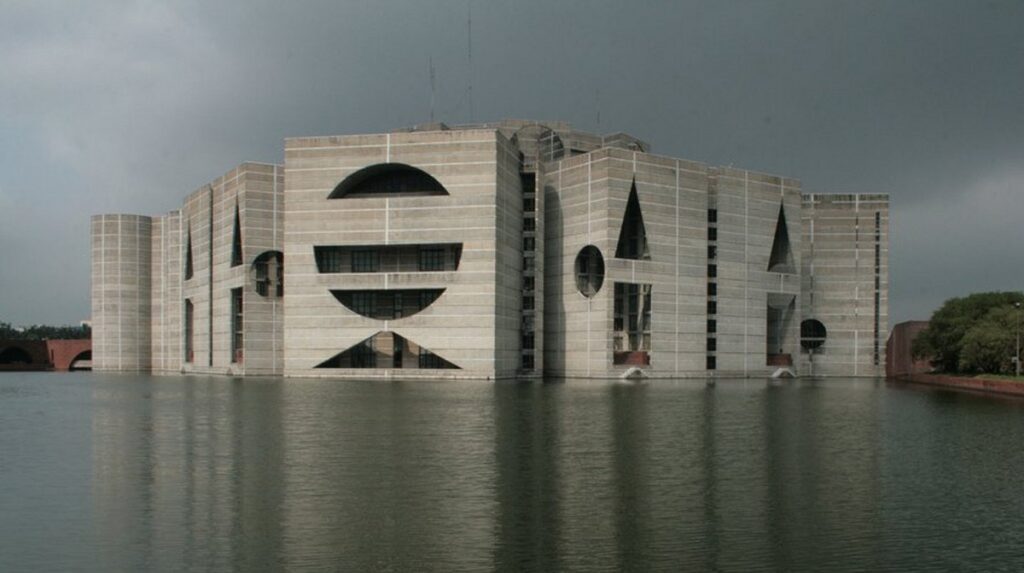
The Parliament House of Bangladesh is the largest legislative complex in the world. Completed in 1982, the complex is thoughtfully divided into three sections: the main plaza, the south plaza, and the presidential plaza. Surrounding the building, well-maintained gardens and an artificial lake provide a serene contrast to the bold, modern lines of the structure.
Visitors can admire the striking architecture from the outside or enter to see where the country’s legislation runs riot. However, if you must fill out this form ahead of your visit. You are required to provide a copy of your passport, valid visa, and an admission of around 500 Taka.
Learn about Hinduism at the Dhakeswari Temple
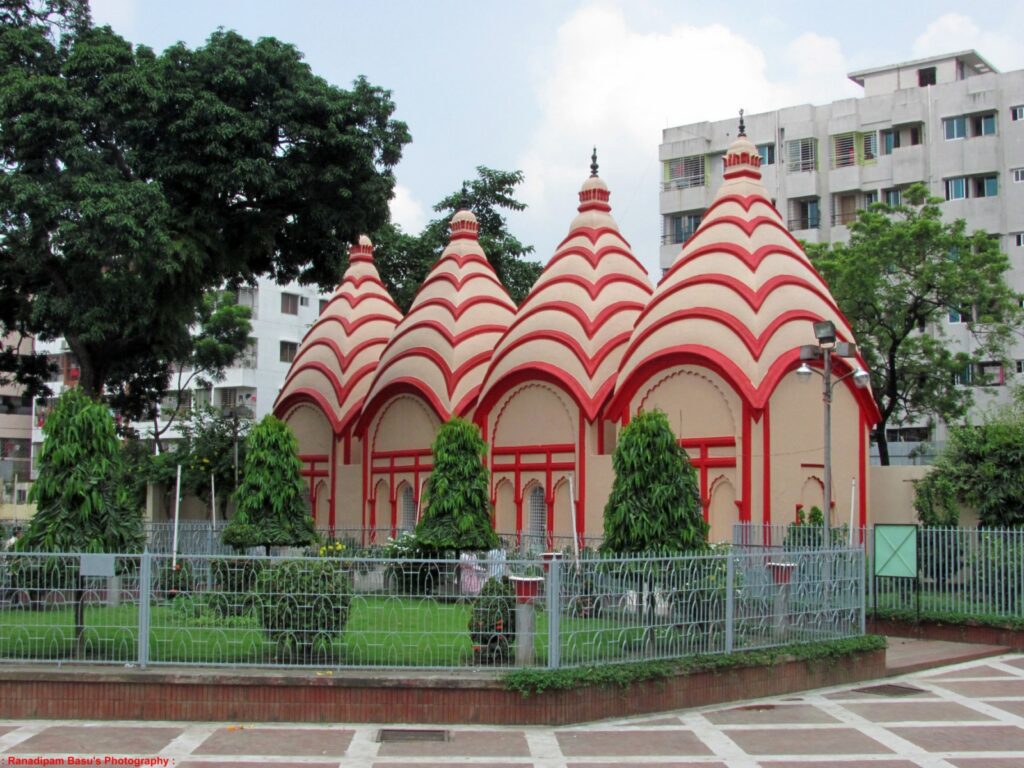
The Dhakeswari Temple is the spiritual heart of Hinduism in Bangladesh, with a history stretching back nearly nine centuries. Many believe that Dhaka itself derives its name from the temple’s presiding deity, Dhakeswari, an incarnation of the Hindu mother goddess.
The temple welcomes visitors of all faiths, offering a serene space to seek blessings and make symbolic offerings by lighting incense sticks or candles. Each year, the temple and its surrounding market burst into color and energy during the four-day Durga Puja festival in September and October. During these short windows, rituals, music, and public celebrations create a vibrant and unforgettable atmosphere.
Learn about Bangladesh’s Islamic ties at Baitul Mukarram

Baitul Mukarram National Mosque is the national mosque of Bangladesh and one of the most prominent landmarks in Dhaka. Its design, inspired by the holy Ka’aba in Mecca, gives the mosque a striking and instantly recognizable silhouette. Among the largest mosques in the world, it can host over 30,000 worshippers in the vast prayer hall and expansive outdoor courtyard.
Beyond its role as a place of worship, Baitul Mukarram is a central hub for religious and cultural gatherings. Bangladesh is largely a Muslim-majority country with around 91% of its population practicing Sunni Islam. Visiting the mosque is a wonderful opportunity to learn about the country’s beliefs.
Conclusion
Spending a weekend in Dhaka isn’t about ticking off attractions; it’s about absorbing atmosphere. The city is intense, welcoming, frustrating, and fascinating all at once. By the time the weekend ends, visitors often leave with ringing ears, a full stomach, and a deeper appreciation for a city that refuses to be simplified. Dhaka is definitely no easy feat but it is an unforgettable one, and sometimes that’s exactly what travel should be.