

Guide to Spending a Weekend in Zurich, Switzerland
Zurich is the ultimate white-collar variant of European cities. To be fair, the city is Switzerland’s financial capital. But those who have wandered on its whimsical side know that it packs a witty and adventurous secret. The city brims with lakeside charm, avant-garde art, and a surprisingly mischievous sense of fun.
Don’t let the polished Bahnhofstrasse fool you—beneath that Swiss efficiency lies a city that knows how to loosen its tie when the sun dips. If you’re here for a business meeting that stretches through the weekend and want something to help pass the time, you’re in the right place. Here’s our guide to spending a weekend in Zurich;
Please Download Our Mobile App here.
Best Time to Visit Zurich
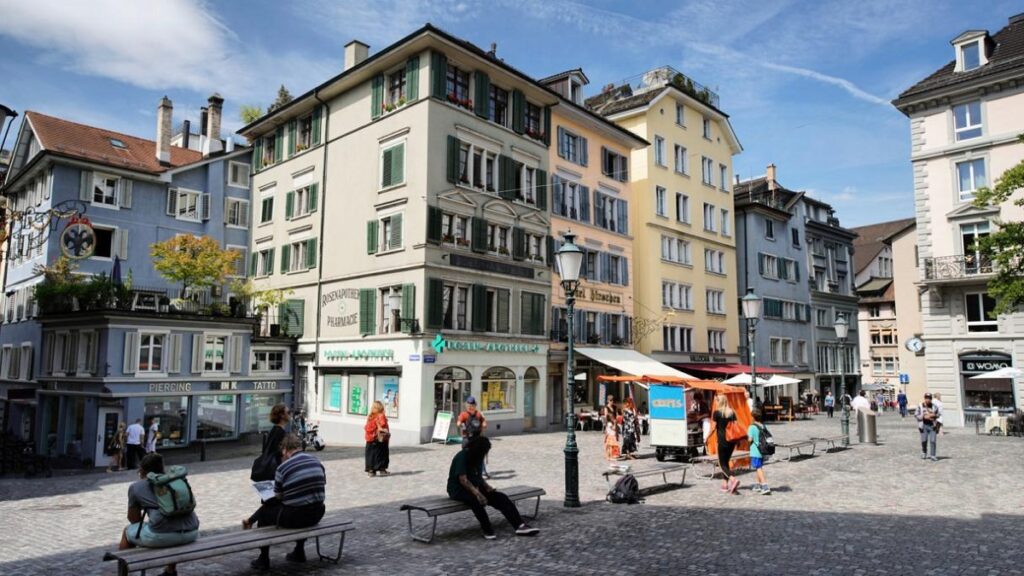
The best time to visit Zurich depends on what kind of traveler you are. If you’re chasing sunshine and a lakeside tan, June through September is your sweet spot. Temperatures hover between the high 70s and mid-80s and locals flock to the lake or river for swims and festivals like the lively Street Parade. It’s Zurich at its most vibrant—and, naturally, at its most expensive.
For those who prefer a slower pace, spring (March to May) and autumn (September to November) are delightful alternatives. In spring, Zurich sheds its winter coat as flowers bloom along the Limmat, though the weather can be moody and May is often the wettest month. Autumn brings crisp air, golden foliage, and a cultural buzz thanks to events like the Zurich Film Festival.
November tends to be foggy and cooler, with prices climbing again as ski season nears. Come December, Zurich transforms into a snow-dusted wonderland of Christmas markets, mulled wine, and fairy lights. While winter temperatures dip into the 20s and 30s, the festive spirit—and the city’s proximity to Alpine slopes—more than make up for the chill.
Also Read: Best Cities to Live and Work in Europe.
Top Things to Do in Zurich
See the medieval Fraumünster
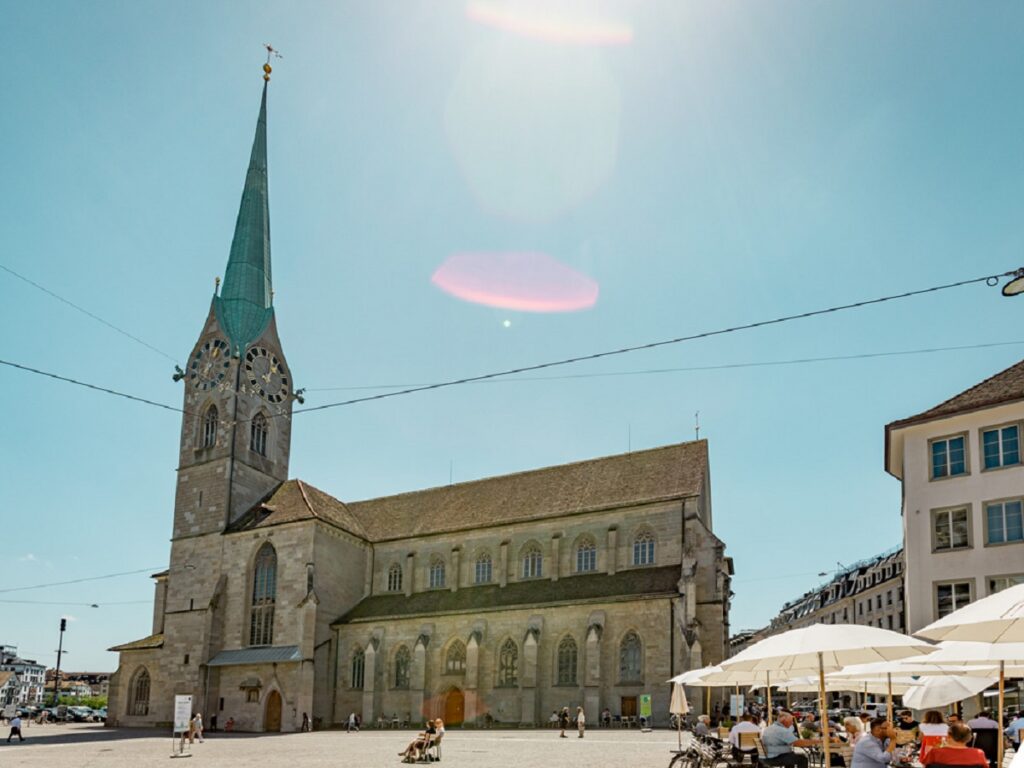
Perched gracefully on the left bank of the Limmat River, the Fraumünster is one of Zürich’s most historic landmarks. It was originally founded as a convent way back in 853 CE. However, most visitors today are drawn to its extraordinary stained glass windows by Marc Chagall, completed in 1967.
These five vibrant panels, bursting with bold colors and abstract interpretations of biblical stories, transform with the shifting day light. Chagall was 83 when the windows were unveiled. Remarkably, he returned to the Fraumünster a few years later to craft the equally stunning rose window at the age of 90.
Explore the Old Town
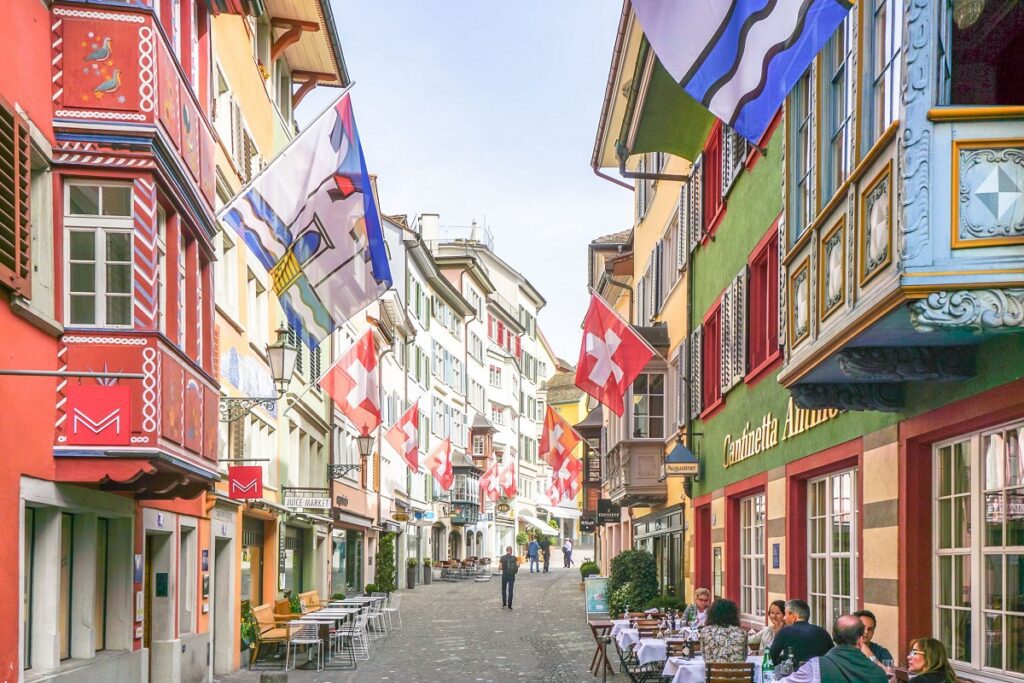
While Zurich has plenty of modern flair, the city’s true soul reveals itself in the Old Town. This picturesque maze of cobblestone streets, medieval architecture, and inviting cafes traces its roots back to Roman times. At the time, Zurich was known as Turicum and served as a modest customs post for the empire.
Over the centuries, the Old Town grew into the beating heart of Zurich, thriving as a hub of commerce and trade during the Middle Ages. Today, the narrow, winding alleys retain their medieval layout. The lively streets, particularly around Niederdorf, are often animated by street performers and local markets. It’s an adventure back to a time when Zurich had a whimsical side.
Enjoy Zurich’s Swimming Baths
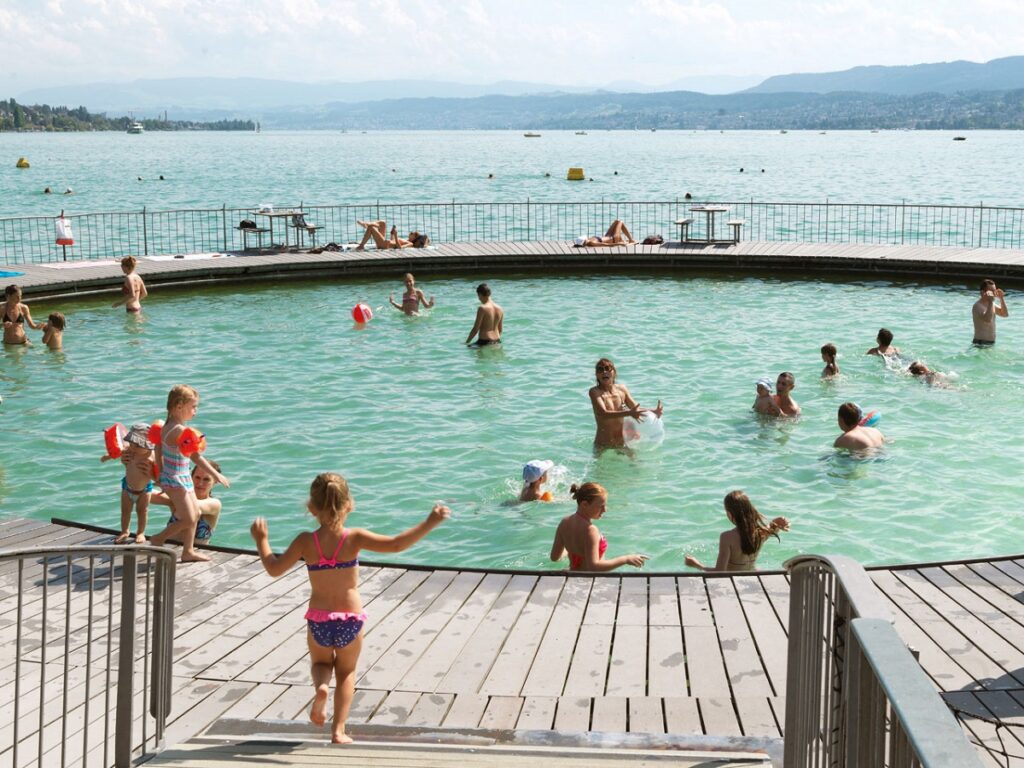
In Zürich, summer is a celebration of water, and nowhere is this more evident than at the city’s lakeside Badis. The shores of the Limmat and Zürichsee come alive with sunbathers, swimmers, and the unmistakable scent of barbecued sausage drifting through the air. These swimming baths are woven into the rhythm of Zürich life, offering more than just a dip in the water.
For the ultimate experience, we recommend Seebad Utoquai, which has been welcoming visitors since 1850. Here, you’ll find changing facilities, sun decks, and easy access to the lake, along with saunas, massage treatments, and areas for both single-sex and mixed swimming.
These wooden bathhouses carry a charming, old-fashioned atmosphere, and as the evening falls, the sun sets over the city in a display that rivals any postcard view. To the Swiss, Badis are social hubs where they can eat, drink, and soak in the lively summer vibe. In winter, most most of them close. So, if you’re eager to experience Badis, plan your trip for summer.
Explore Niederdorf’s Coffee and Craft Culture
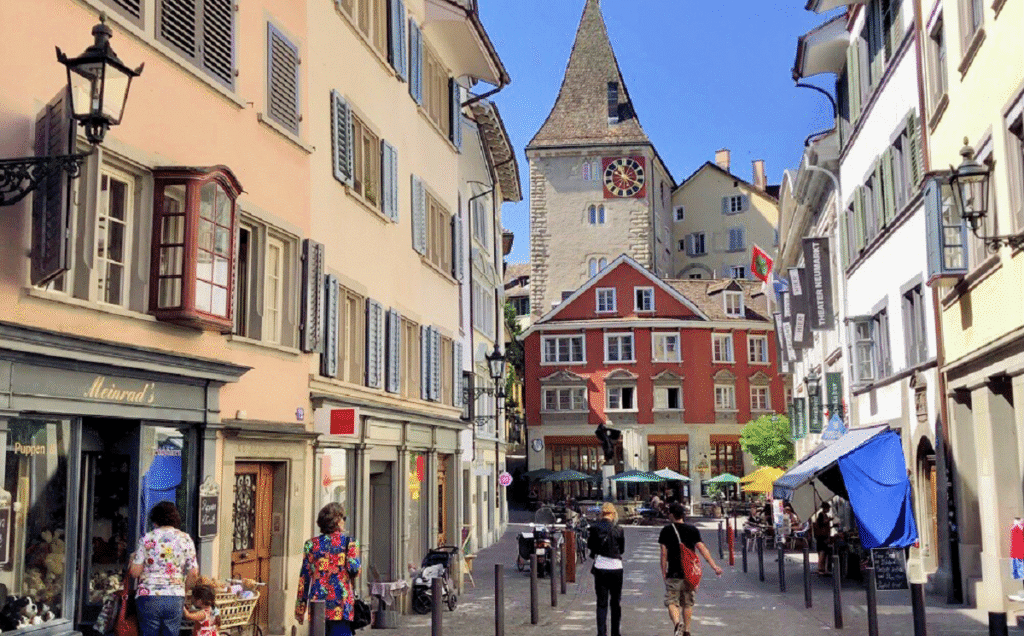
Perched on the right bank of the Limmat, this half of the old town pulses with energy. The locals refer to it as Dörfli or “little village.” Its cobbled pedestrian streets are lined with contemporary art galleries, artisan boutiques, cozy cafes, delis, and stylish bars that attract a lively, youthful crowd. Start your stroll by browsing the gourmet coffees and exquisite chocolates at Schwarzenbach grocery.
This charming establishment has retained its 19th-century character since opening in 1864. For night owls, an evening of local flavor at Am Rank is one to remember. This sleek bar is known for serving inventive drinks and hosting live performances from some of Zürich’s emerging music talents.
Check Out Grossmünster
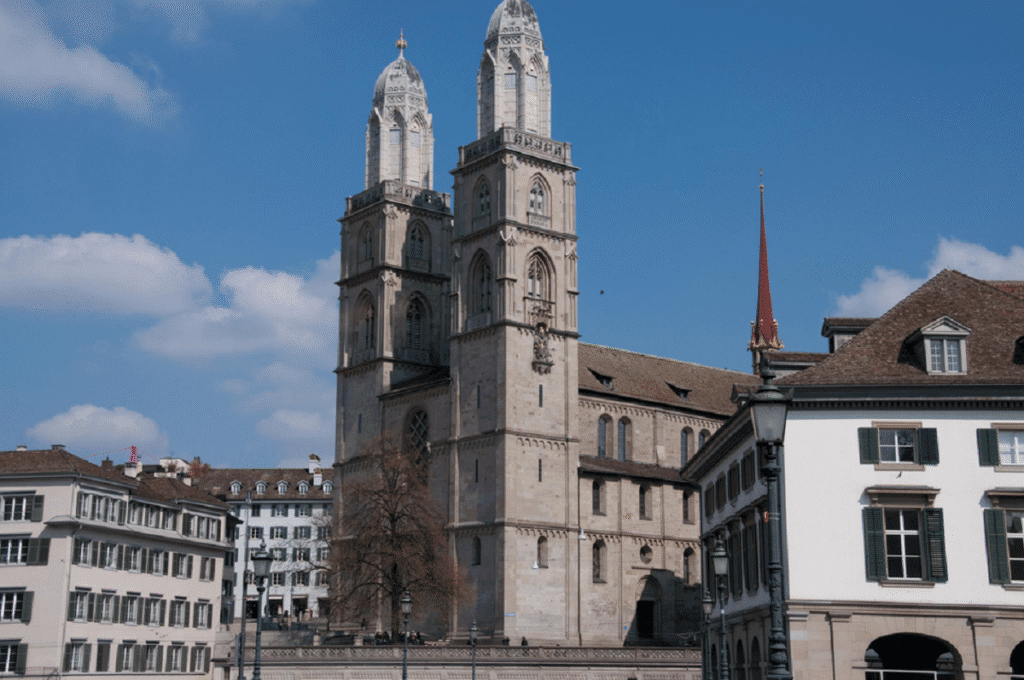
When it comes to Zurich’s landmarks, Grossmünster stands out as a true emblem of the city. Its twin towers are instantly recognizable on the skyline, and the church carries a legend as dramatic as its architecture. Supposedly, Charlemagne founded Grossmünster after his horse knelt at the graves of Zurich’s patron saints, Felix and Regula during a hunting trip.
Construction began around 1100 and wrapped up in the 13th century. The iconic twin towers were added in the 15th century, giving the church its distinctive profile. Today, there’s plenty to marvel at: the 11th-century crypt, the stained-glass windows, and the climb up the towers. From the top, Zurich spreads out below, framed by Lake Zurich and, on clear days, the snow-dusted Alps.
Conclusion
A weekend in Zurich isn’t about ticking off tourist boxes—it’s about savoring contrasts. It’s a city where order meets artistry. It’s polished, yes, but beneath the Swiss precision lies a city that knows exactly how to unwind—and will gladly teach you the same.