Best National Parks in Central America
Central America, a narrow land bridge connecting North and South America, may be small in size, but it packs an astonishing variety of landscapes and ecosystems. From misty cloud forests and active volcanoes to pristine beaches and dense tropical jungles, the region’s national parks are havens for wildlife enthusiasts and adventurers.
In fact, this strip of land is one of the most diverse regions on the planet. We have done our research and compiled the list of the best national parks in Central America to help you narrow down your search. In our research, we looked at different factors like how kid-friendly they are and other unique elements like endemic species. Without further ado, here is our list of the best national parks in Central America;
Please Download Our Mobile App here.
Manuel Antonio National Park, Costa Rica
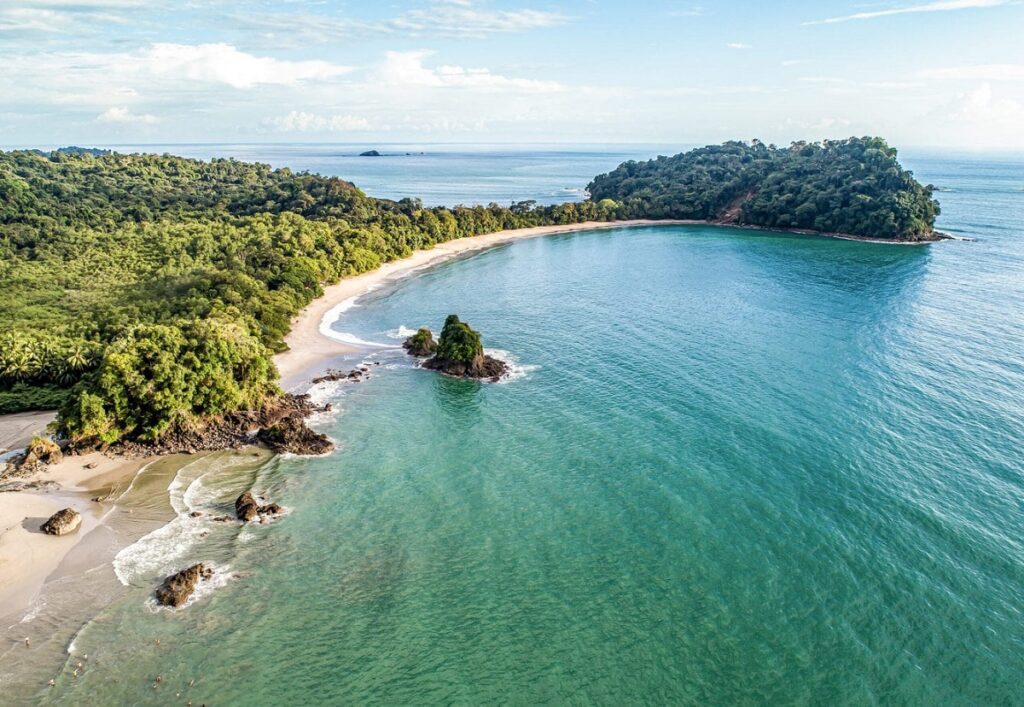
Costa Rica’s Manuel Antonio National Park may be small in size, but it delivers an experience that’s just suited for families. Located on a series of lush, jungle-covered headlands just south of Quepos, the park brims with incredible biodiversity that can leave visitors in awe. Sloths, both two- and three-toed, are the undeniable stars here.
The Perezoso Trail provides an easy and entertaining route for spotting these famously slow-moving creatures in their natural habitat. The park’s scenic beauty continues with stretches of soft taupe sand at Espadilla Sur Beach and Manuel Antonio Beach. These beaches are accessible via shaded paths where playful howler monkeys swing through the trees and green iguanas sun themselves along the trails.
Also Read: Best Resorts in Costa Rica.
Cerro Azul Meámbar National Park, Honduras
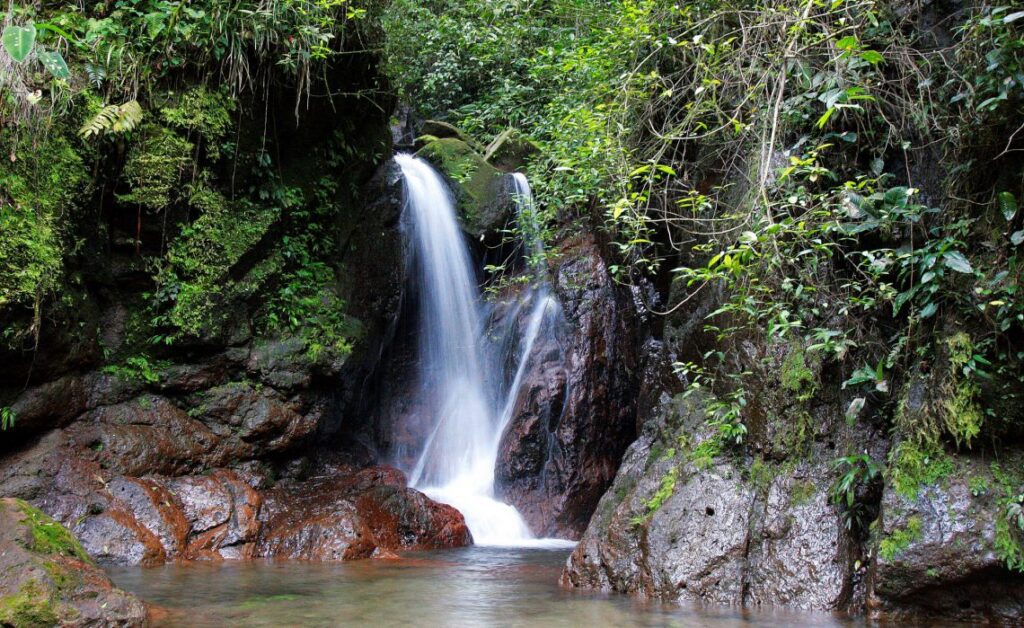
Cerro Azul Meámbar National Park offers a perfect escape for those looking to avoid the crowds. Nestled along the crystal-clear waters of Lake Yojoa in central-west Honduras, the park rises dramatically with jagged rock spires draped in lush jungle. The scenery here evokes the karst landscapes of Southeast Asia.
From La Guama village, day hikes lead into rare cloud-forest habitats teeming with vibrant bird life, including hummingbirds, toucans, and flycatchers. These provide endless opportunities for birdwatching and photography. Its remote location adds to the sense of adventure, letting visitors embrace true jungle exploration and feel like a real-life Bear Grylls as they navigate trails.
Arenal Volcano National Park, Costa Rica
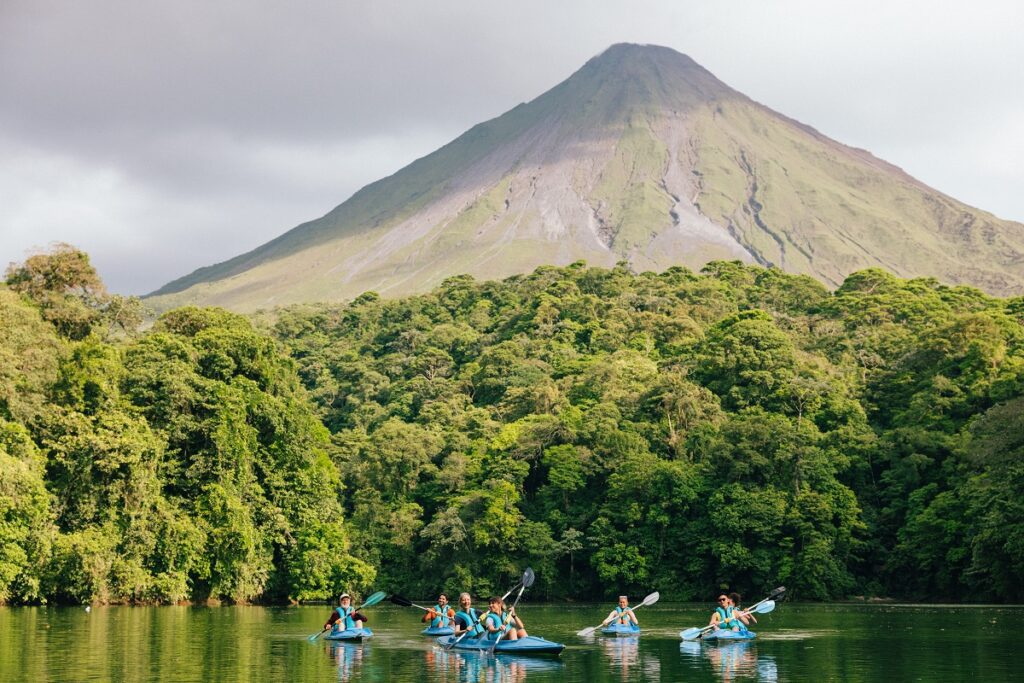
For thrill-seekers, Arenal Volcano National Park is an absolute must. Known as one of the Costa Rica’s premier adventure destinations, the park is dominated by the strikingly symmetrical Arenal Volcano. Its summit, however, remains off-limits due to its frequent eruptions.
While climbing the volcano itself is not possible, the surrounding slopes offer plenty of heart-pounding experiences. The park features whitewater rivers perfect for rafting and a network of hiking trails that wind through dense rainforest and lead to steaming hot springs.
Visitors often spot wildlife such as capuchin monkeys and snakes along these paths, adding to the sense of wild exploration. Staying in the nearby town of La Fortuna gives adventurers a base where backpackers swap stories of their encounters and plan their next adrenaline-fueled excursions.
Tikal National Park, Guatemala
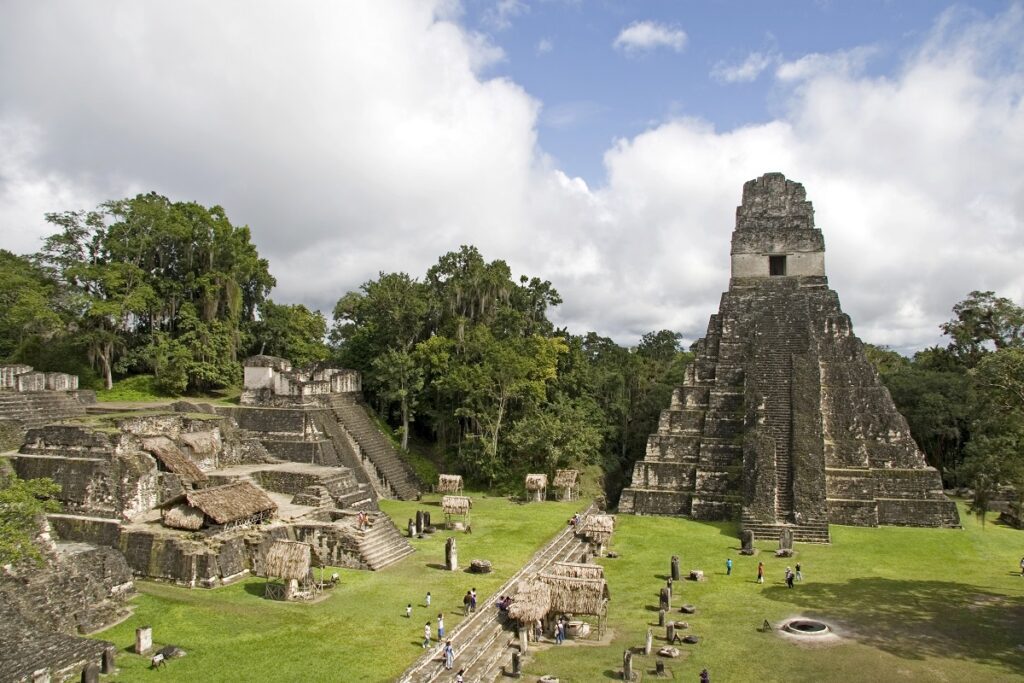
Anyone fascinated by history will find Tikal National Park in Guatemala utterly captivating. Nestled in the dense jungles of the El Petén region, the park preserves the remnants of Yax Mutal, once one of Mesoamerica’s largest Maya cities. Over 3,000 structures remain, offering a glimpse into a civilization that thrived centuries ago.
Among the most striking are Tikal Temple I, soaring above the forest canopy, and the Great Plaza, which was a bustling center for Mayan priests. Wandering these ruins, you are enveloped by emerald greenery where jaguars stealthily navigate the undergrowth and harpy eagles command the skies. The atmosphere is haunting yet vibrant, allowing travelers to feel the pulse of an ancient civilization alive within the jungle.
Masaya Volcano National Park, Nicaragua
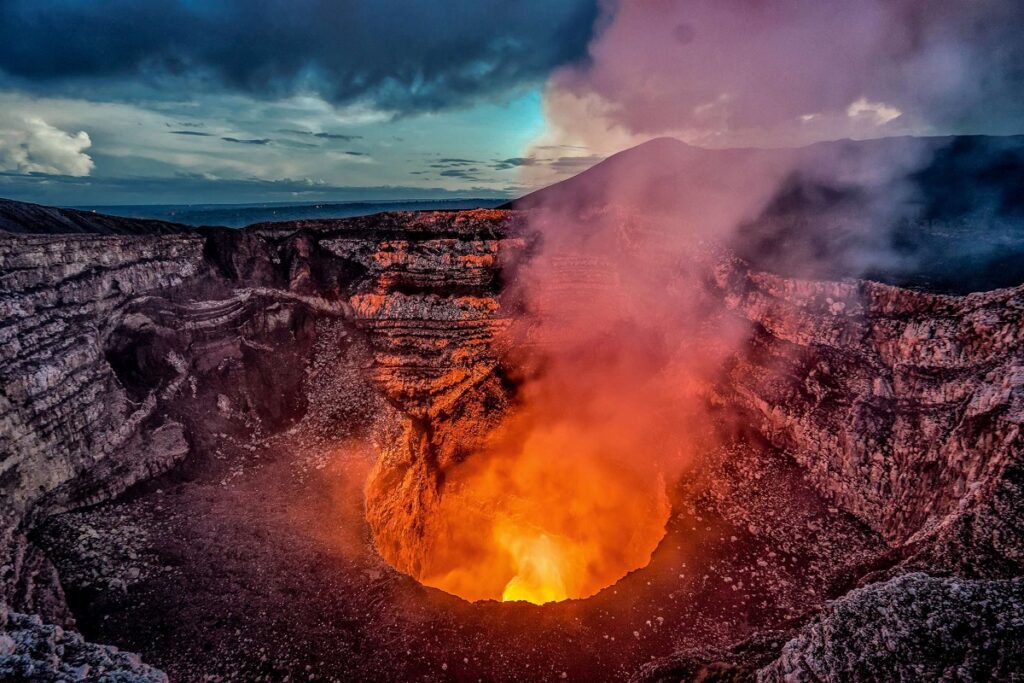
Masaya Volcano National Park offers a dramatic encounter with the raw power of nature. Nestled between Managua to the north and Granada to the east, the park is dominated by two impressive volcanoes and a collection of five craters. The Santiago crater stands out as the most awe-inspiring, famously dubbed The Mouth of Hell by the Spanish conquistadores because of its simmering lake of molten lava.
Visitors can hike to vantage points along the western rim to get an unnervingly close view of the smoke and heat rising from the crater. For a truly unforgettable experience, arriving at night reveals the crater’s glowing core. The molten magma casts an eerie red light deep below, a sight that captures both the danger and beauty of Nicaragua’s volcanic landscape.
Darién National Park, Panama
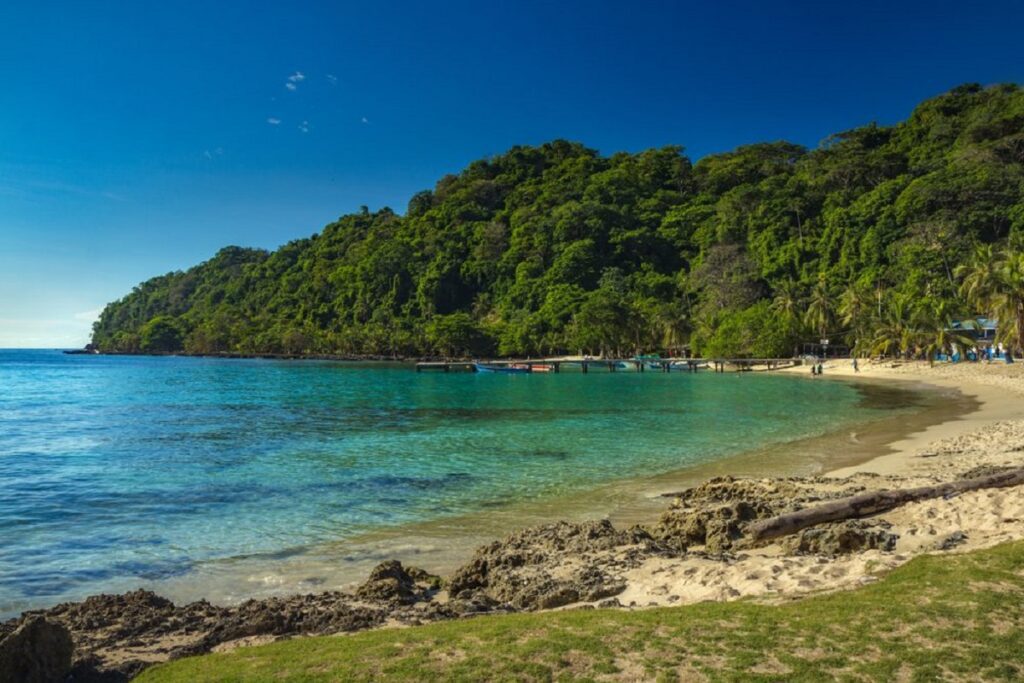
Leave the comforts of civilization behind and step into the untamed wilderness of Darién National Park in Panama. It’s located a region that forms the notorious Darién Gap, one of the most remote and impenetrable stretches of land on Earth. This UNESCO-listed park spans 2240 square miles, or 5800 square kilometers, stretching from the rugged Pacific coastline to the jagged Colombian sierras.
There are no roads to guide you, no railways cutting through the dense jungle; access is reserved for the determined adventurer. Most visitors make their base in the historic Spanish gold mining settlement of Santa Cruz de Cana, a gateway to the park’s raw landscapes.
Reaching it is an expedition in itself, with a journey that can take two days on foot or a brief ride on a small propeller plane. In Darién, every step immerses you in a wild mosaic of rivers, forests, and mountains, a place where nature reigns supreme and human presence is fleeting.
Sipacate-Naranjo National Park, Guatemala
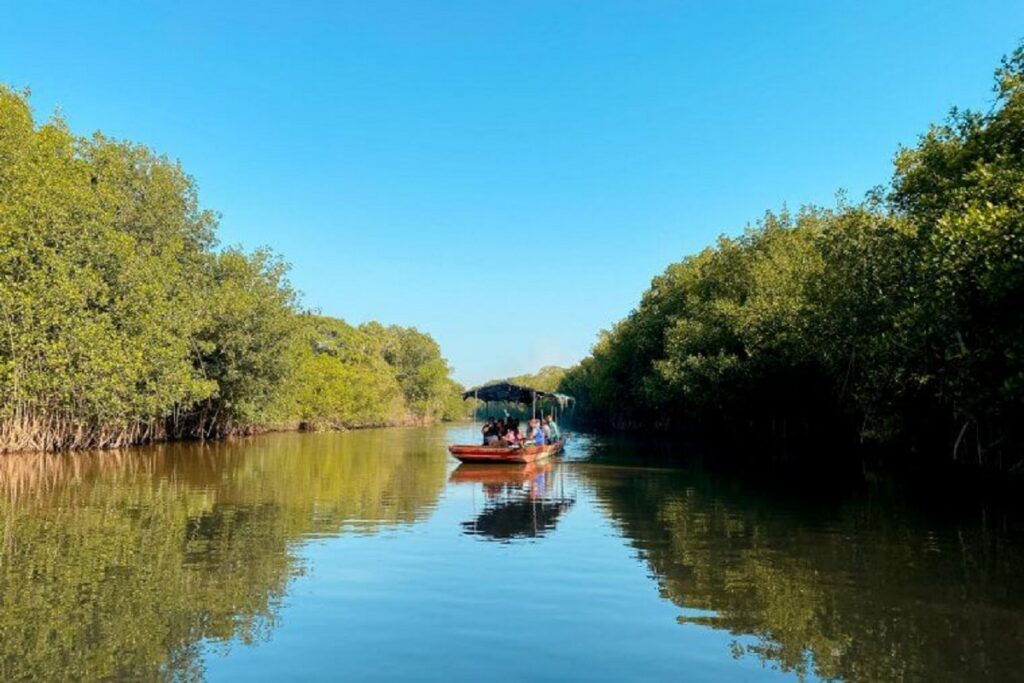
Sipacate-Naranjo National Park is a remarkable destination for nature enthusiasts, especially those fascinated by marine life. Stretching across 12 miles of surf-washed shoreline, the park is where the winding Rio Acome flows out of the dense jungle and meets the Pacific Ocean. It has earned a reputation as one of the top places to visit in Guatemala, largely due to its significance as a breeding ground for sea turtles.
Olive ridley, leatherback, and green sea turtles come here to nest, with the peak season occurring between June and August. Visitors during this time can witness the awe-inspiring spectacle of these ancient creatures laying their eggs or emerging from the sand. The park’s combination of river, forest, and ocean landscapes also provides a serene setting for birdwatching and photography.
Conclusion
In Central America, national parks are more than just protected areas; they are living museums of biodiversity and culture. Whether trekking through ancient ruins in Guatemala or spotting rare wildlife in Costa Rica, these parks offer experiences that are unforgettable.