
Guide to Patuca National Park: Honduras’ Remarkable Protected Area
Patuca National Park is one of Honduras’ most remarkable natural treasures, yet it remains largely unknown to the average traveler. Tucked away in the eastern part of the country, this vast protected area is a place where dense rainforests stretch endlessly. Most importantly, the powerful Patuca river carves its way through the jungle, and wildlife thrives far from busy roads and tourist crowds.
Established to protect one of the largest remaining tropical forest regions in Central America, the park offers a rare glimpse into a world that feels untouched by time. For adventurers and nature lovers, Patuca National Park represents the kind of destination where exploration still feels genuine and discovery comes with every step.
Patuca National Park is the second largest protected area in Honduras and one of the most important conservation regions in Central America. Here’s our comprehensive guide to Patuca National Park;
Overview of Patuca National Park
Patuca National Park ranks among the largest protected landscapes in Honduras. The park spans roughly 1,295 square miles (3,354 square kilometers) across the eastern departments of Olancho, Gracias a Dios, and El Paraíso. The park plays a vital role within the Mesoamerican Biological Corridor, a network of forests that links ecosystems across Central America.
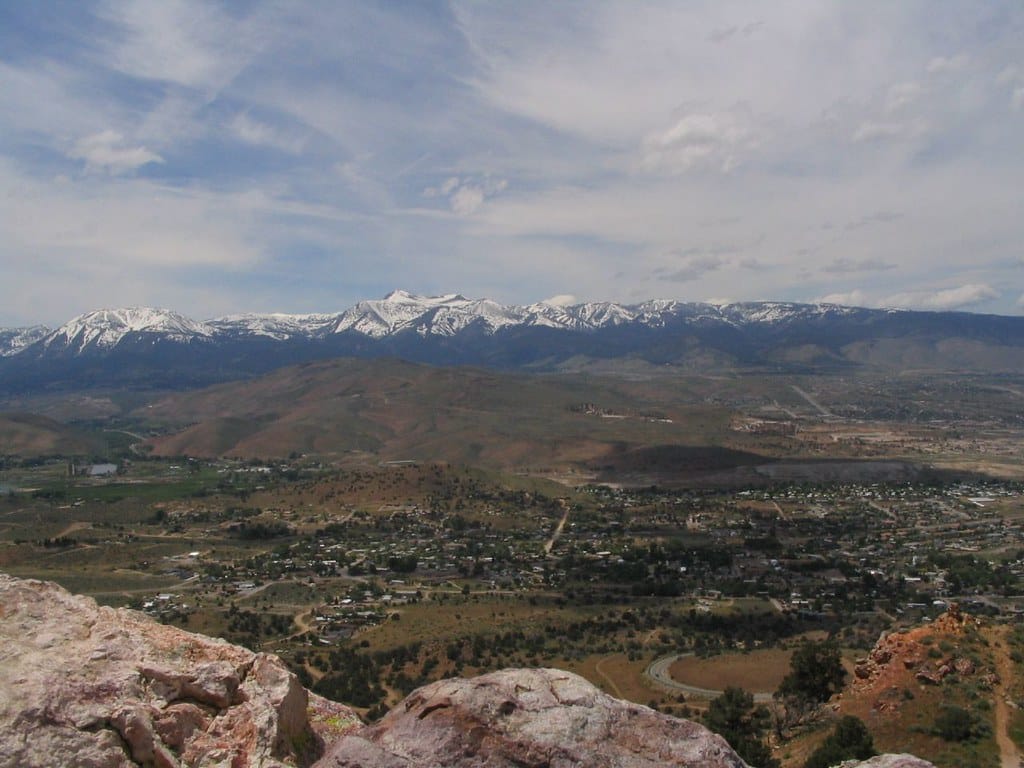
Flowing through the heart of this wilderness is the Patuca River, one of the country’s most important waterways. It essentially shapes the surrounding ecosystem and supports wetlands, forests, and communities along its banks. The terrain varies dramatically, ranging from lowland rainforest to rugged hills and higher elevations that create a patchwork of microclimates.
Towering mahogany, cedar, and ceiba trees dominate the forest canopy, while dense undergrowth filled with ferns, orchids, and bromeliads adds to the park’s rich plant diversity. Seasonal flooding along the river and its tributaries sustains fertile wetlands that provide vital habitats for wildlife and resources for nearby settlements. Indigenous communities such as the Tawahka and Pech peoples continue to live in and around the park.
Also Read: Best Resorts in Honduras.
Wildlife in Patuca National Park

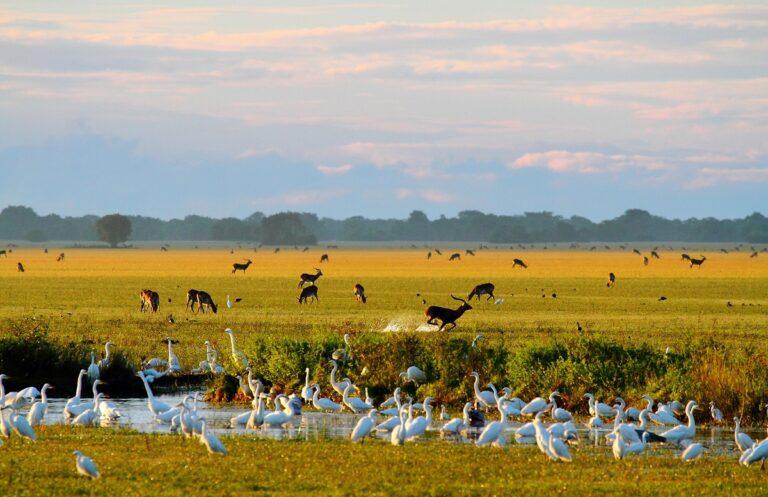
Wildlife in Patuca National Park is exceptionally rich. The dense forest provides habitat for a number of endangered and elusive species, including jaguars, pumas, Baird’s tapirs, giant anteaters, and white-lipped peccaries. Other mammals commonly associated with the region include ocelots, margays, white-faced capuchin monkeys, spider monkeys, and the unmistakable howler monkeys.
White-nosed coatis and several species of armadillos also roam the forest floor. Birdlife is particularly remarkable, with more than 400 species recorded within the park. These include; the vibrant scarlet macaw, the threatened great green macaw, powerful harpy eagles, and several varieties of toucans.
Reptiles are also well represented, with snakes like the barba amarilla (fer-de-lance) as well as coral snakes and iguanas inhabiting the forest. The park’s waterways add another layer of ecological diversity. The Patuca River supports aquatic life including the American crocodile and the migratory bobo mullet, locally called cuyamel.
Best Time to Visit Patuca National Park
The ideal time to explore Patuca National Park is during the dry season, which runs from January to April. During these months, visitors can enjoy lower humidity, clearer skies, and trails that are far easier to navigate, making hiking and wildlife spotting much more accessible.
February and March are particularly favorable, offering warm, pleasant temperatures with minimal rain, creating the perfect conditions for extended outdoor adventures. The shoulder months of May and November are quieter and still offer good opportunities to explore, though occasional showers keep the forest lush and green.
The wet season, from June to September, brings heavy afternoon rains that may close trails, yet it transforms the jungle into its most vibrant, thriving state. Nevertheless, tempertures in Patuca remain consistently warm throughout the year, typically ranging between 26 and 32 degrees Celsius.
Getting to Patuca National Park

Reaching Patuca National Park from Tegucigalpa requires a bit of planning, as there is no direct public transportation to the park. Most travelers begin by heading east to the Olancho region, typically via the town of Catacamas. A bus ride from Tegucigalpa to Catacamas takes around 4 to 5 hours, with services such as Empresa Aurora offering fares between $5 and $10.
From Catacamas, visitors must hire a local guide and a 4×4 vehicle to navigate the rugged and often challenging roads that lead into the park. Alternatively, parts of Patuca can be accessed by boat along the Patuca River, though you’ll still need a local guide well-versed with the river system.
Given the park’s remote location and the complexity of travel logistics, arranging a guided expedition through a specialized tour operator is strongly recommended. Most guided tours handle all logistics like transport to and from the park. You’ll also get a knowledgeable guide to help you navigate the park. Some even provide small incentives like bottled water and snacks enroute and from the park.
Other Activities in Patuca National Park
Visitors to Patuca National Park can engage in a range of activities that bring the region’s natural and cultural richness to life. River expeditions by canoe or kayak provide an intimate way to navigate the Patuca River. These offer close encounters with aquatic wildlife and opportunities to spot a variety of colorful bird species along the banks.
Guided jungle treks wind through the dense rainforest, revealing hidden waterfalls, rare mammals, and breathtaking scenery that highlights the park’s ecological diversity. Visits to nearby indigenous communities offer meaningful insights into the traditions, history, and daily lives of the Miskito and Pech peoples.
Park Fees in Patuca National Park

Most people explore Patuca National Park as part of guided tours from nearby towns given the remote nature of the park. Many often involve community-based tourism. Most guided tours offer guests a chance to spend a night within local indigenous communities. These typically range from $30 to $60 USD per night, which usually include meals and provide an authentic glimpse into the region’s culture and daily life.
FAQs
Is Patuca National Park worth visiting?
Patuca National Park is definitely worth visiting. The park offers a rare opportunity to explore vast, biodiverse rainforests teeming with wildlife and more than 400 species of birds. Its untamed landscapes provide an authentic wilderness experience that is increasingly hard to find elsewhere.
How long to spend in Patuca National Park?
A visit to Patuca National Park is not a quick detour but a full-fledged adventure that demands time and careful planning. To truly experience the park’s remote and rugged landscapes, most itineraries recommend spending around 7 days and 6 nights. This allows travelers to navigate its dense forests, ride on horseback to the river, and explore its waterways by canoe, all while soaking in the pristine natural surroundings.
Conclusion
Patuca National Park ultimately stands as a powerful reminder of the importance of preserving wild places. In a world where untouched landscapes are becoming increasingly rare, this Honduran wilderness remains a sanctuary for biodiversity, culture, and adventure.