
Guide to Bruce Peninsula: Canada’s Scenic National Park
Bruce Peninsula National Park is one of Canada’s most striking natural landscapes, located on the northern tip of the Bruce Peninsula in Ontario. It is part of a larger UNESCO-designated biosphere reserve. It is best known for its dramatic limestone cliffs, turquoise waters, and rugged shoreline along Lake Huron’s Georgian Bay.
The park offers a rare blend of ancient geology, dense forests, and crystal-clear freshwater scenery that rivals tropical destinations in appearance. It is a place where natural beauty feels both powerful and carefully preserved. The landscape of Bruce Peninsula National Park is shaped by the Niagara Escarpment, a geological formation that stretches across parts of North America.
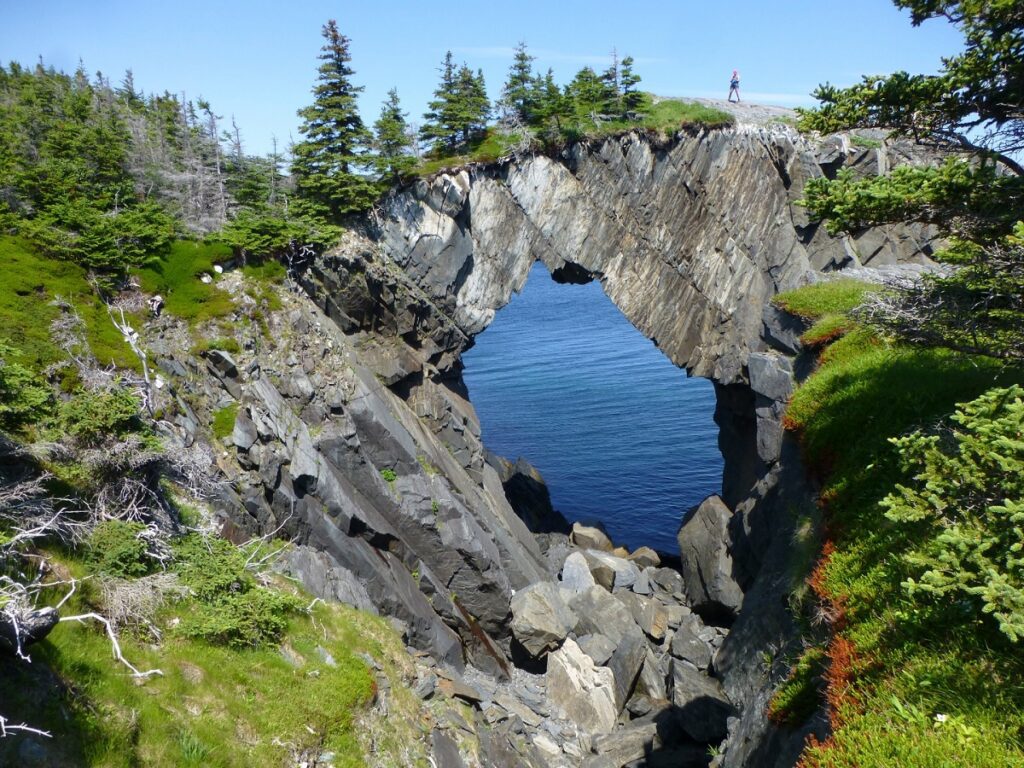
This escarpment creates the park’s most iconic features, including sheer cliffs that drop into deep, vividly blue waters. One of the most famous attractions within the park is The Grotto, a sea cave formed by centuries of wave erosion. Its clear waters and rocky archway make it a popular destination for hikers and photographers.
The park is also home to dense forests filled with cedar, maple, and pine trees, creating diverse habitats for wildlife such as black bears, foxes, deer, and a variety of bird species. The Bruce Trail, Canada’s oldest and longest marked footpath, runs through the park. Here’s our comprehensive guide to Bruce Peninsula National Park;
Overview of Bruce Peninsula National Park
Bruce Peninsula National Park is located on the Bruce Peninsula in Ontario, Canada, northwest of Toronto and northeast of Detroit. It forms part of the broader Niagara Escarpment region. Covering roughly 59 square miles (about 154–156 square kilometers), the park sits at the northern tip of the peninsula between Georgian Bay and Lake Huron.
It is managed by Parks Canada and was officially established in 1987. This dramatic landscape rises from the waters along the Niagara Escarpment. It offers sweeping views, rugged limestone cliffs, hidden caves, underground streams, and ancient forests that include some of the oldest trees in Canada. The park is also known for its rare ecosystems, including alvars, dense woodlands, wetlands, and clear inland lakes.
Together they form one of the most significant remaining natural habitats in southern Ontario. Within Bruce Peninsula National Park, towering cliffs overlook the striking turquoise waters of Georgian Bay, creating a shoreline defined by rugged rock formations and natural beauty.
Iconic spots like The Grotto showcase wave-carved caves and crystal-clear pools. Also, the numerous lookouts provide panoramic views of sunsets, wildlife, and the dramatic coastline. The park’s forests are home to orchids, ferns, and ancient cedar trees that cling to cliff edges, highlighting the diversity of life supported by this unique environment.
Also Read: Top Luxury Trains Across the World.
Wildlife in Bruce Peninsula National Park

Bruce Peninsula National Park is a rich ecological hotspot with an impressive variety of wildlife. This diversity of habitats allows the park to sustain over 30 at-risk species, making it one of Ontario’s most important areas for wildlife conservation.
Among its mammals, the large, continuous forest tracts provide ideal conditions for American black bears. You’ll also encounter white-tailed deer, red foxes, raccoons, snowshoe hares, and porcupines. There are also smaller forest dwellers such as eastern chipmunks, northern flying squirrels, and fishers. The park’s reptile and amphibian life is equally notable.
The park is one of the last strongholds of the Massasauga rattlesnake, Ontario’s only venomous snake. You’ll also glimpse wetland species like common snapping turtles, eastern ribbonsnakes, and a variety of frogs. Birdlife is especially vibrant with sightings ranging from bald eagles and ravens to colourful songbirds such as the scarlet tanager, ovenbird, and Canada warbler.
Best Time to Visit Bruce Peninsula National Park
The best time to visit Bruce Peninsula National Park depends largely on what kind of experience you are looking. Summer, especially July and August, is the most popular period because of the warm, stable weather. The conditions make it ideal for swimming, boating, and exploring highlights such as the Grotto and nearby Flowerpot Island.
However, this is also peak tourist season, meaning the park can become very busy and parking for popular sites often sells out quickly. If you prefer a quieter visit, fall from September to mid-October is often considered the most rewarding time. During this period, hiking conditions are comfortable, the crowds are significantly smaller, and the forests are transformed by vibrant autumn colours.
The only drawback is that the water becomes too cold for casual swimming. Spring, from May to June, is a great choice for hikers and nature lovers interested in plant life. During these months, the trails along the Bruce Peninsula come alive with fresh greenery and over 30 species of wild orchids in bloom. The main challenge during this time is the presence of biting insects.
Winter, from November to April, presents a completely different side of the park. The park experiences snow-covered landscapes and a peaceful, almost untouched atmosphere that appeals to snowshoers and photographers. However, many facilities close during this “winter mode,” and access to some areas becomes limited due to unplowed roads.
Getting to Bruce Peninsula National Park

Getting to Bruce Peninsula National Park is possible through several convenient travel options, depending on your preference. Most visitors choose to drive, as it offers the greatest flexibility. The park is located in Tobermory, Ontario, roughly 300 kilometres northwest of Toronto.
It can be accessed from the south via the all-season Highway 6, which makes for a scenic road trip through rural Ontario landscapes. For those without a car, seasonal bus services such as Parkbus provide direct return trips from downtown Toronto to the Cyprus Lake Campground area.
Another memorable way to arrive is by ferry from the north. Travellers coming from Manitoulin Island can cross Lake Huron on the MS Chi-Cheemaun ferry. It docks at the Tobermory port and adds a scenic maritime approach to the journey. For those preferring to fly in, both Tobermory Airport and the larger Wiarton Airport offer access points nearby, connecting the park to the wider region.
Other Activities in Bruce Peninsula National Park
Bruce Peninsula National Park offers a range of experiences. One of the most unforgettable highlights is The Grotto. This striking limestone sea cave sees sunlight filter through an underwater tunnel, illuminating brilliant shades of blue that make the water almost glow.
Just a short walk away, Indian Head Cove provides a rocky shoreline ideal for relaxing, sunbathing, and taking in sweeping cliffside views over Georgian Bay. For those who prefer longer adventures, the Bruce Trail winds through the park’s forests and escarpment.
It reveals hidden lookouts such as Overhanging Point and passing ancient cedar trees along dramatic limestone terrain. On the opposite side of the peninsula, Singing Sands Beach offers a completely different atmosphere. Here, you’ll find warm shallow waters along Lake Huron and a family-friendly boardwalk that makes it easy to explore the dunes and wetlands.
For those seeking solitude, Halfway Log Dump provides a quieter, more rugged shoreline. Here, cobblestone beaches meet forested cliffs, making it a favored entry point for backcountry hiking routes. Beyond the park itself, nearby excursions expand the experience even further.
Boat tours from Tobermory take visitors to Flowerpot Island, where distinctive rock formations, sea caves, and a historic lightstation sit within Fathom Five National Marine Park. The same waters are also renowned for scuba diving, especially because of the exceptionally clear conditions that have preserved more than 20 accessible shipwrecks.
Park Fees in Bruce Peninsula National Park
Standard daily admission fees are based on age and group size. Adults pay $10.00, seniors aged 65 and above pay $8.75, and youth aged 17 and under enter free of charge. Families or groups arriving in a single vehicle pay $19.50 for up to seven people. However, general park admission is often waived between June 19 and September 7, but you’ll still pay for parking.
Parking is one of the most important expenses to plan for. Heavily visited areas like the Grotto and Halfway Log Dump, where spaces must be reserved in advance due to heavy demand. Parking typically costs $11.70 per vehicle for timed access, with an additional reservation fee of $6.00 when booking online or $8.50 if booking by phone.
For those planning to camp, fees vary depending on the type of accommodation. Frontcountry camping at Cyprus Lake ranges from $35.01 to $47.50 per night. However, backcountry camping is more affordable at $10.02 per person per night for those seeking a more rugged experience.
Unique accommodation options such as yurts or oTENTiks are priced higher. These typically range between $120.00 and $147.50 per night, while group camping costs $5.01 per person per night with a minimum charge of $50.10. It is important to note that these camping fees do not include park entry.
For those planning on exploring multiple national parks across Canada, the Parks Canada Discovery Pass offers better long-term value. It is priced at $83.50 for individuals and $167.50 for families or groups.
FAQs
Is Bruce Peninsula National Park worth visiting?
Yes, Bruce Peninsula National Park is absolutely worth visiting. The park is known for its striking limestone cliffs, ancient cedar forests, and crystal-clear turquoise waters that often look more like the Caribbean than Canada. This rare combination creates a setting that feels both rugged and refreshing at the same time.
How long to spend in Bruce Peninsula National Park?
A visit to Bruce Peninsula National Park is best experienced over two to three days. This timeframe allows visitors to take in the park’s most famous highlights, including the stunning Grotto with its clear turquoise waters. With a couple of days available, you can also add a boat tour to Flowerpot Island, which is one of the most popular excursions in the area.
Conclusion
Bruce Peninsula National Park stands out as one of Canada’s most visually stunning and ecologically significant protected areas. Its combination of rugged cliffs, clear waters, and rich biodiversity makes it a destination that appeals to both adventure seekers and nature lovers. Beyond its scenic beauty, the park represents an ongoing commitment to conservation and sustainable tourism.