
Blue and John Crow Mountains: Jamaica’s Only National Park
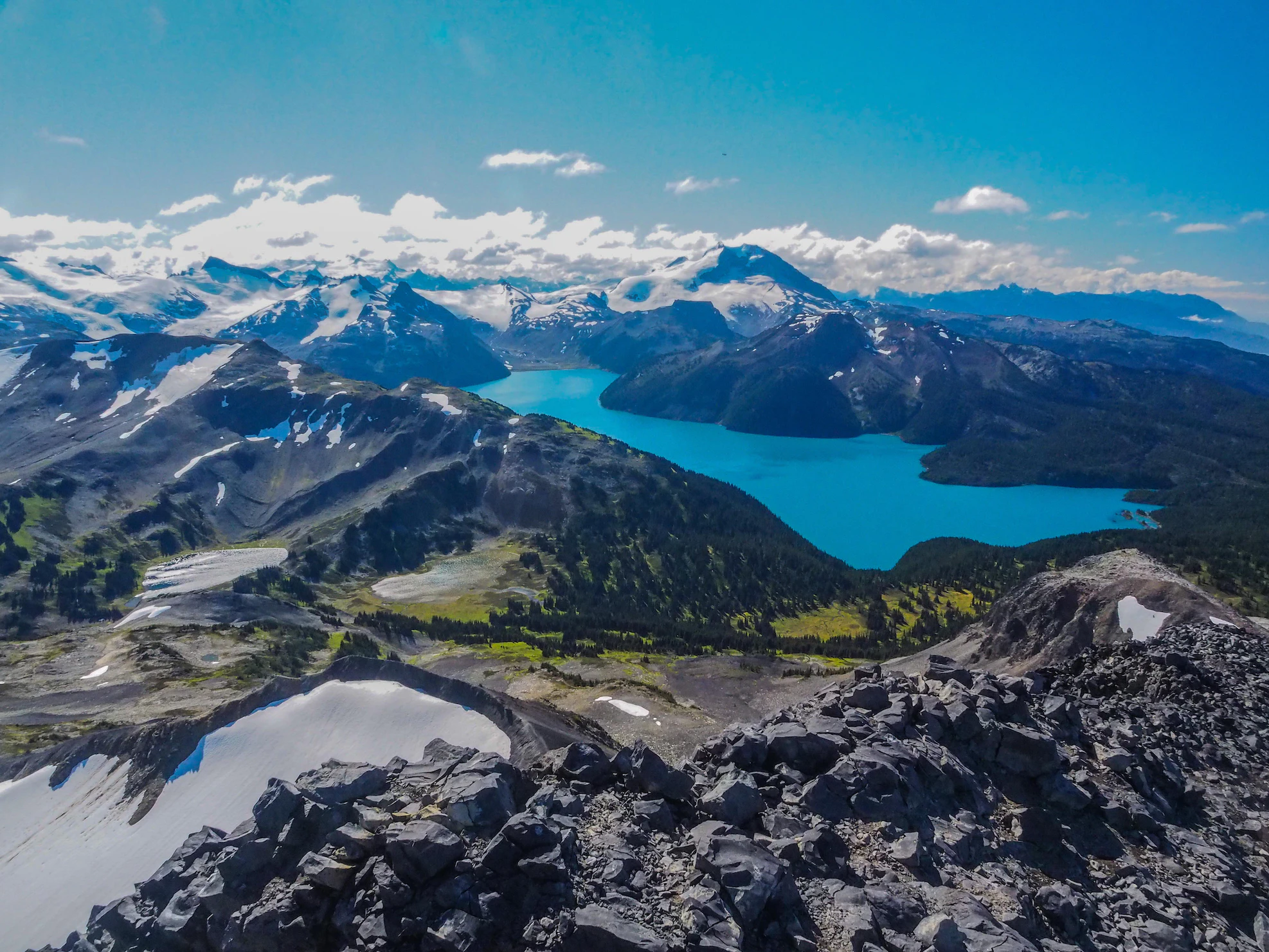
Jamaica’s Blue and John Crow Mountains National Park is one of the Caribbean’s most remarkable natural and cultural landscapes. Spanning rugged mountains, dense rainforests, and mist-covered peaks, the park offers a rare blend of ecological richness and deep historical significance.
It is recognized as a UNESCO World Heritage Site for its exceptional biodiversity and its role in sheltering the Maroon communities who resisted colonial rule. Today, it remains a living landscape where nature, culture, and heritage intersect. Blue and John Crow Mountains National Park rises dramatically in eastern Jamaica, forming the island’s most important mountain system.
The Blue Mountains are famous for their misty peaks and fertile slopes, including the legendary Blue Mountain Peak, the highest point in Jamaica. The park is also deeply rooted in Jamaica’s cultural history. It served as a refuge for the Maroons, descendants of enslaved Africans who escaped and formed independent communities in the mountains.
These communities developed resilient traditions, blending African heritage with local adaptation to the rugged terrain. Here’s our comprehensive guide to Blue and John Crow Mountains National Park;
Overview of Blue and John Crow Mountains National Park
Blue and John Crow Mountains National Park is located in eastern Jamaica and covers about 192 square miles (495 sq km). It’s the largest protected area of natural forest on the island. Established in 1993, the park preserves the island’s highest mountain ranges and lies northeast of Kingston. Here, the Blue Mountains and John Crow Mountains merge into one continuous and ecologically rich landscape.
It was designated a UNESCO World Heritage Site in 2015 in recognition of its exceptional natural diversity and cultural importance. The park played a huge role as a refuge for Maroon communities who resisted colonial rule. Today, it remains one of the Caribbean’s most significant protected environments, valued for both heritage and conservation.
The park is widely admired for its dramatic scenery, cool mountain climate, and internationally renowned coffee-growing regions. Visitors are drawn to its waterfalls, rivers, panoramic viewpoints, and extensive hiking trails that cut through dense and misty forests. One of its most iconic landmarks is Blue Mountain Peak, which rises to 7,402 feet (2,256 meters) and is the highest point in Jamaica.
From the summit, hikers are rewarded with sweeping views across the island, and on exceptionally clear days, it is even possible to see Cuba on the horizon. The geography here is defined by steep ridges, deep valleys, and shifting ecosystems that range from tropical rainforest in lower areas to cool montane cloud forest at higher elevations.
These varied climatic zones support an impressive diversity of life. These include; tree ferns, mahogany, cedar, orchids, bromeliads, palms, and many plant species found nowhere else in the world. The park is also an important sanctuary for birdlife and other wildlife that depend on its undisturbed habitats.
Also Read: Best Resorts in Jamaica.
Wildlife in Blue and John Crow Mountains National Park

Wildlife in Blue and John Crow Mountains National Park is among the most distinctive in the Caribbean. The park protects an exceptional range of endemic species, meaning many plants, birds, reptiles, and amphibians are found nowhere else on Earth. Birdlife is especially remarkable.
The park harbors the Jamaican blackbird, Jamaican tody, black-billed parrot, chestnut-bellied cuckoo, crested quail-dove, white-eyed thrush, and the iconic red-billed streamertail, Jamaica’s national bird. The park also supports a fascinating mix of reptiles and amphibians. These include; the Jamaican boa, the largest native snake on the island, and the Jamaican yellow tree frog.
Mammals are fewer in number, but the park is still ecologically important. It’s habitat for several bat species and the Jamaican coney, a rare nocturnal rodent often described as a living fossil because of its ancient evolutionary lineage.
Best Time to Visit Blue and John Crow Mountains National Park
The best time to visit Blue and John Crow Mountains National Park is generally from December to April. During these dry months, the weather is at its most favorable for outdoor exploration. Conditions are cooler and significantly less rainy, creating clear skies that are ideal for hiking challenging routes such as the ascent to Blue Mountain Peak.
These months are especially popular with visitors because trails are more accessible and visibility across the rainforest is at its best. This allows for uninterrupted views of the island’s dramatic terrain. From a practical perspective, December through April offers the most reliable hiking conditions, but it is also the busiest tourist period.
Popular areas like the Holywell Recreational Area can feel more crowded, particularly on weekends and holidays. In contrast, the wet season from May to November transforms the park into an even more vibrant and lush environment, with dense greenery and thriving wildlife. Rainfall and humidity are higher during this period which makes trails slippery and some inaccessible.
September and October fall within the Atlantic hurricane season, which can bring more unpredictable and sometimes disruptive weather conditions. Another interesting aspect of seasonal travel here is the coffee cycle. The region is world-famous for Jamaican Blue Mountain coffee. The harvest period typically peaks between October and January.
Getting to Blue and John Crow Mountains National Park

The most common approach is to drive from Kingston, with the journey typically taking between 1 and 2.5 hours depending on your destination within the park. For those venturing deeper into the mountains, beyond areas like Mavis Bank toward Penlyne Castle, a four-wheel drive vehicle is essential.
Travelers who prefer not to drive can hire private taxis or route taxis from Kingston or Port Antonio. Organized tours and transfers are often the most dependable option since public buses do not reach the remote trailheads. In addition, for hikers aiming to tackle the Blue Mountain Peak trail, local community-operated 4×4 Land Rovers are available in the Mavis Bank and Penlyne Castle areas.
Other Activities in Blue and John Crow Mountains National Park
Blue and John Crow Mountains National Park offers a wide variety of immersive activities. For hiking and trekking enthusiasts, the ultimate adventure is the ascent of Blue Mountain Peak, which stands at 7,402 feet. Most hikers begin their journey from Whitfield Hall in the early hours before dawn. They time their climb to reach the summit in time for a spectacular sunrise that reveals sweeping views across Jamaica.
Those seeking a gentler experience can explore the Holywell Nature Walks, where five well-marked trails wind through cool, misty forest paths. Wildlife and bird watching are also central to the park’s appeal. Birders may spot rare and colorful species such as the Jamaican Tody and the elusive Black-billed Parrot, especially during early morning guided tours.
The park also offers enriching coffee and farm experiences. Visitors can tour local coffee estates where the renowned Blue Mountain Coffee is grown, harvested, and processed. These experiences often include guided walks through plantations and visits to roasting facilities such as the Mavis Bank Coffee Factory.
Park Fees in Blue and John Crow Mountains National Park

Park fees at Blue and John Crow Mountains National Park in Jamaica are structured based on visitor residency, chosen activity, and the specific area being accessed. For international visitors, standard entry to the national park or access to the Blue Mountain Peak Trail is generally set at US$20 per person.
Entry to recreational sites such as the Holywell Recreation Area costs about US$10 for adults and US$5 for children under 12. Jamaican residents benefit from reduced rates, with Holywell charging around J$400 for adults and J$100 for children. General park admission fee is J$3,000.
Additional costs apply for those planning to camp within designated areas of Blue and John Crow Mountains National Park. At Portland Gap along the Blue Mountain Peak Trail, camping with your own tent costs about J$300 for residents or US$10 per visitor per night.
Tent rentals range from roughly J$2,000 for a smaller two-person tent to about J$4,500 for larger group tents. In the Holywell Recreation Area, camping is also available at around J$200 for residents or US$5 for visitors per person per night.
Cabin options start at J$6,500 for one-bedroom units like Hot Lips and Mountain Yacca. They go to about J$8,000 for two-bedroom cabins such as Cupressus, with visitor rates ranging from US$60 to US$80 per night. Payments are typically made at ranger stations located in Holywell and Portland Gap, which operate daily from 9:00 AM to 5:00 PM.
FAQs
Is Blue and John Crow Mountains National Park worth visiting?
Yes, Blue and John Crow Mountains National Park is absolutely worth visiting. As Jamaica’s only national park and a designated UNESCO World Heritage Site, it stands out as a destination of global importance rather than just a scenic stop. It is also home to world-famous Blue Mountain coffee, adding a unique agricultural and cultural experience to its natural appeal.
How long to spend in Blue and John Crow Mountains National Park?
A visit to Blue and John Crow Mountains National Park can be tailored quite easily depending on how deeply you want to experience its landscapes and culture. Most visitors spend between 1 to 3 days in the park. A single day is often enough for those focusing on a sunrise hike to Blue Mountain Peak. However, extending the stay to around three days allows for a much richer experience.
Conclusion
Blue and John Crow Mountains National Park is far more than a protected area; it is a symbol of Jamaica’s natural splendor and cultural resilience. Its landscapes tell stories of survival, adaptation, and harmony between people and environment. Whether explored for its biodiversity, its coffee heritage, or its historical significance, the park offers an experience that is both enriching and unforgettable.