What’s the difference between cognac and brandy?
Brandy is obtained by distilling Italian wine, whereas in case it is made with French wine, it is called cognac. Brandy is extracted from grapes, from which berries are pressed, and pulp and juice are used. From this process are obtained cognac and armagnac.
What’s the difference between cognac and brandy?
Brandy
Brandy or “arzente” is the most ancient distillate of wine produced in the world, known since the thirteenth century. Its alcohol by volume is about 40% and besides grapes, this liquor can also be distilled from the fermented juice of other fruits. However, except for specific warnings, brandy is made from grape wine. In Italy, for the production of brandy are used wines produced with Trebbiano grapes, which are gently pressed and put in fermentation at a temperature ranging from 18 to 22°C (64 to 53°F). After fermentation, the must undergoes the distillation process, followed by the aging in oak casks, where the distillate refines its organoleptic characteristics.
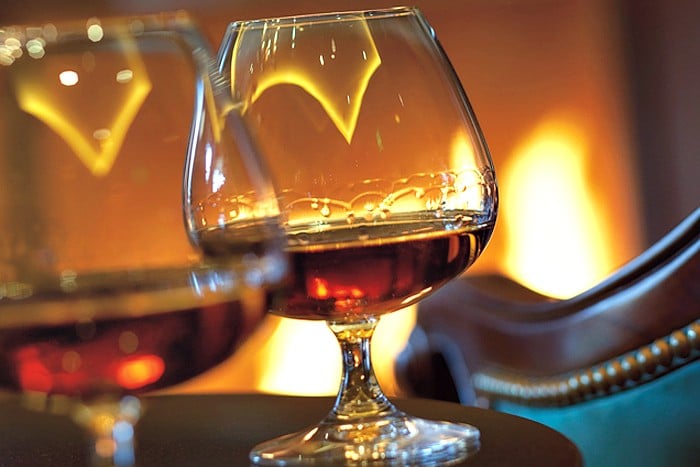
How is brandy produced? Its name is the abbreviation of English brandywine, which means burnt wine (distilled). It is the brandy that is obtained through the distillation of wine and it is aged in casks. It starts from the distillation of healthy wine, from pomace and lees, but the best product is obtained from wines with high acidity, low alcohol content and a neutral aromatic level. Distillation techniques can be different according to the type of instrument used, however it is important to eliminate the initial parts (heads) and the final ones (tails), as it is done in case of other spirits. Distillates ranging from 52% to 72% of alcohol are produced, obtaining one liter of distillate from 10 liters of wine. At this point, in order to obtain brandy, it is required an aging in cask, according to the rules of the country of production. It is important to consider the minimum duration of the period spent in cask as well as the types of wood accepted.
In case it is to be softened, in some cases it is possible to add sugar, as well as caramel in order to give it the right color. It is very used in Italy and also in Spain, in particular to correct coffee, or just after a meal as a digestive. It is notoriously matched with bitter chocolate which is capable of exalting its taste. Wines which are used can be white, rose or red indifferently.
Cognac
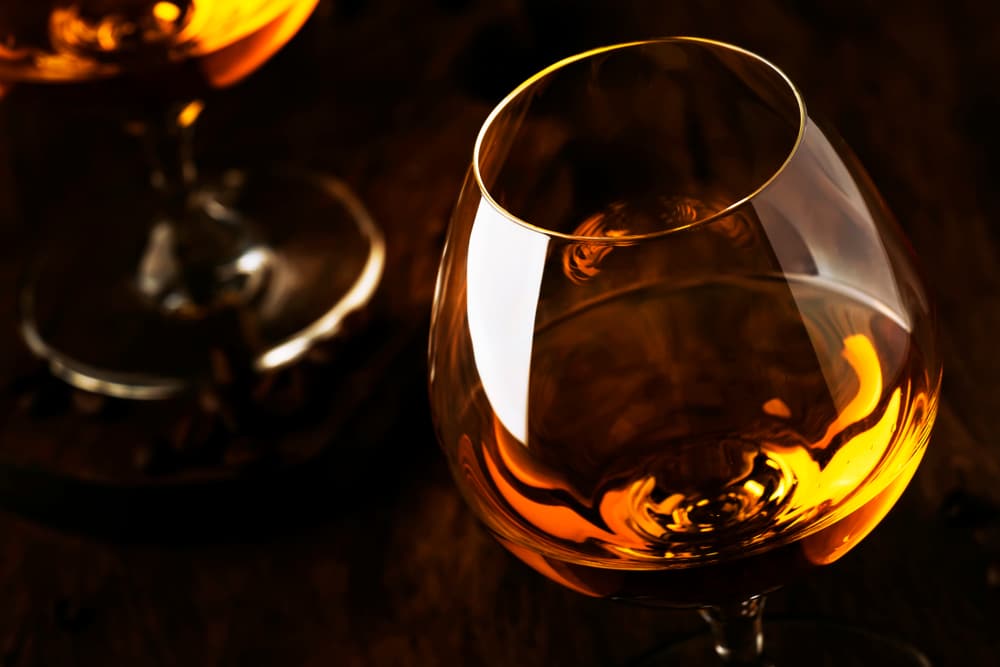
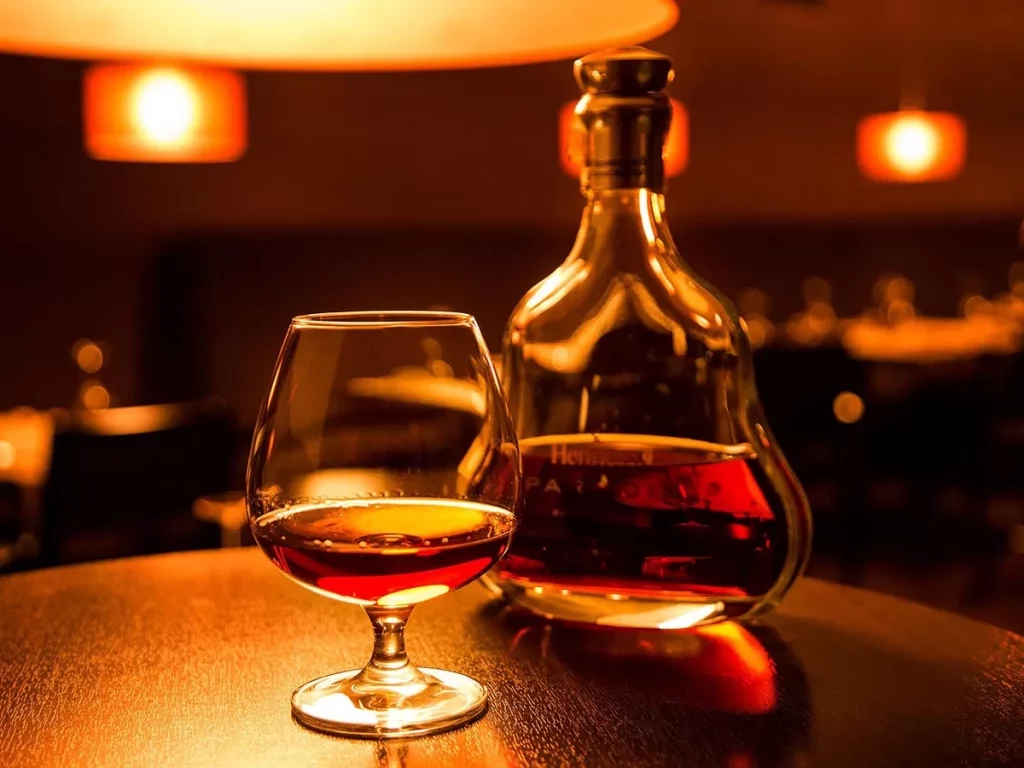
Cognac is a brandy with a high alcohol by volume (about 40%), obtained from the distillation of wine. The grapes used come from the four typical white grapes, that is Ugni blanc, Folle blanche, Colombard and Sémillon.
The traditional place of production is the French commune of Cognac, in the west of France, from which the distillate takes its name. It is another wine distillate protected by the appellation d’origine AOC (appellation d’origine contrôlée).
The first news about the production of cognac are dated back to the seventeenth century, when Dutch people selling wines along the Atlantic coasts decided to distill them. An Italian-French convention (May 28, 1948) established that the term “cognac” from January 1, 1950 was reserved to wine distillates produced in the Cognac region. Similar products of other origins (Italian, but also French outside the region of origin) are therefore defined as “brandy”, with the exception of those produced in the region of Armagnac which can use this name.
It has become very famous worldwide and it is produced in such a strict way that it must come from a specific geographical area and must respect specific processes of grapes. It is mainly used Ugni Blanc, present on 98% of the surface of the region, which has the right level of acidity (useful for preservation) and little sugar. It is important the alcohol concentration is not high and other types of grapes such as Colombard, Folla Bach, Sèmillon Montis and Folignan can be used in small quantities.
As said there are some fundamental steps that, if missed, could compromise the final product. Many years will be needed in order to define the product ready: the base wine must not be ruined during the fermentation, distillation and aging processes. In order to guarantee all this, it is important to remember:
The grapes are mechanically harvested and then softly pressed;
No sulfur dioxide is added;
Only selected yeasts are used to work on the correct fermentation;
It is required to be kept in steel vats which keep oxygen away;
Distillation takes place within March 31 following the harvest.
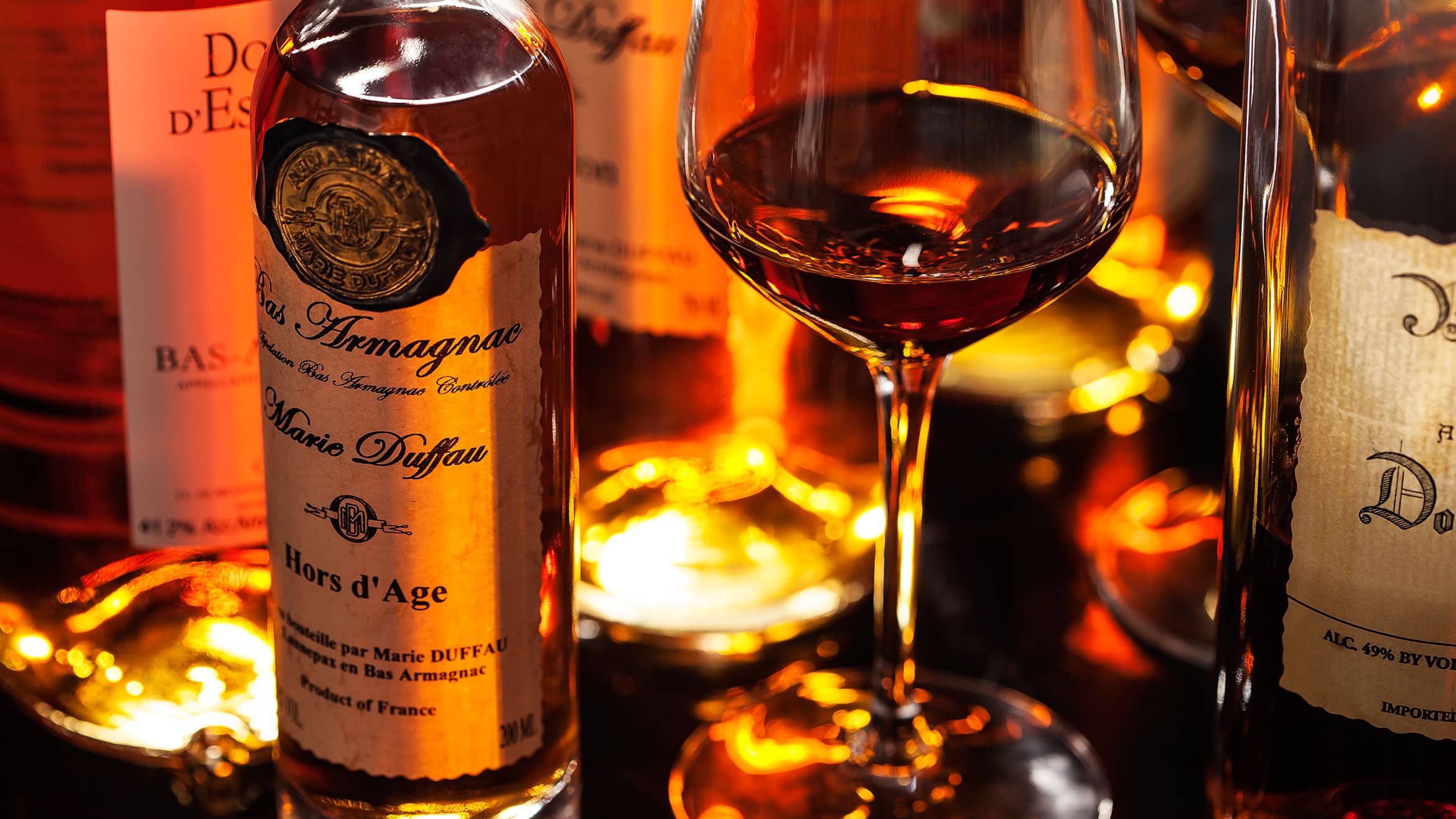
Cognac is distilled in a discontinuous alembic still which has 2 steps: the first one produces the Brouillis with 30% alcohol by volume. The second one allows a spirit which must not exceed 72.4% by volume.