
Guide to Big Bend: US’ Remote National Park
Located in the far southwest corner of Texas along the border with Mexico, Big Bend National Park is one of the most remote national parks in the US. It combines towering mountain ranges, vast desert plains, dramatic canyons, and the winding Rio Grande into an unforgettable destination.
Despite covering more than 800,000 acres, Big Bend remains one of America’s least-visited national parks. The story of Big Bend National Park begins millions of years ago when volcanic eruptions, shifting tectonic plates, and erosion sculpted the dramatic landscapes seen today.
The park was officially established in 1944 to preserve one of the largest protected sections of the Chihuahuan Desert, North America’s largest desert ecosystem. Since then, it has become an internationally recognized conservation area, protecting hundreds of species of birds, mammals, reptiles, and plants. Here’s our comprehensive guide to Big Bend National Park;
Overview of Big Bend National Park
Rio Grande traces the international border between the United States and Mexico. Established in 1944, the park protects roughly 1,252 square miles (3,242 square kilometers) of wilderness. This makes it one of the largest national parks in the contiguous United States.
Its name comes from the sweeping curve of the Rio Grande, which wraps around this rugged landscape of desert basins, towering mountains, steep canyons, and winding river corridors. The park forms part of one of North America’s most important transboundary conservation areas. It neighbors the Black Gap Wildlife Management Area in Texas and Mexico’s Maderas del Carmen Biosphere Reserve.
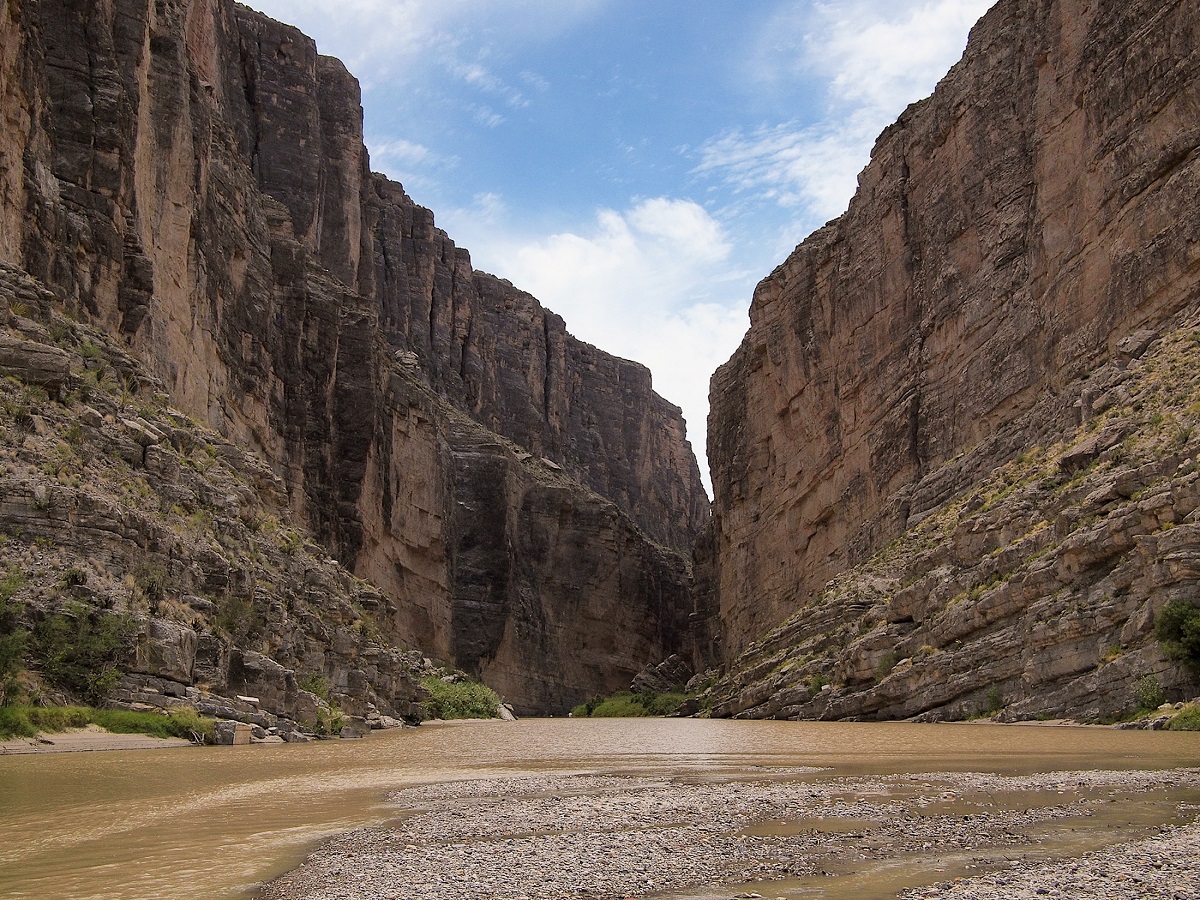
Big Bend is celebrated for its remarkable isolation and breathtaking scenery, drawing visitors from around the globe to explore the Chihuahuan Desert. Among its most famous attractions are Santa Elena Canyon, where limestone cliffs soar more than 1,500 feet (460 meters) above the Rio Grande. Another attraction here is the scenic Ross Maxwell Drive, which showcases many of the park’s most iconic vistas.
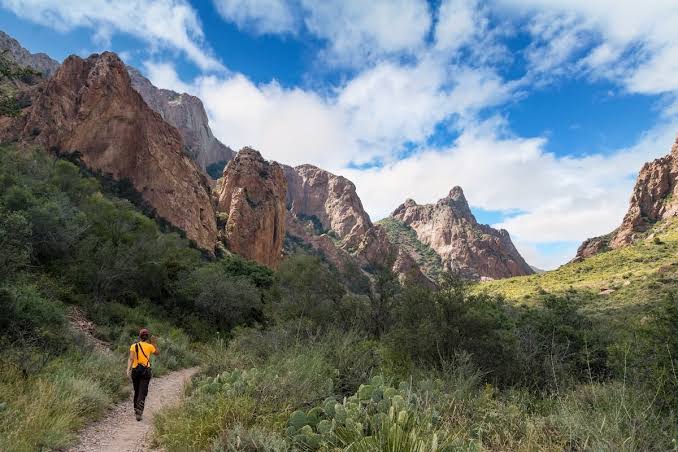
Rising from the desert floor, the Chisos Mountains reach elevations exceeding 7,800 feet (2,377 meters). These offer cooler temperatures, forested hiking trails, and sweeping panoramic views that contrast dramatically with the surrounding arid plains.
Big Bend is equally renowned for its exceptionally dark night skies, making it one of the finest stargazing destinations in the United States. The park’s geography is defined by striking contrasts. Here, you’ll find vast expanses of creosote bush, lechuguilla, and cacti as well as lush river corridors carved by the Rio Grande through limestone and ancient volcanic rock.
Also Read: Top Luxury Trains Across the World.
Wildlife in Big Bend National Park
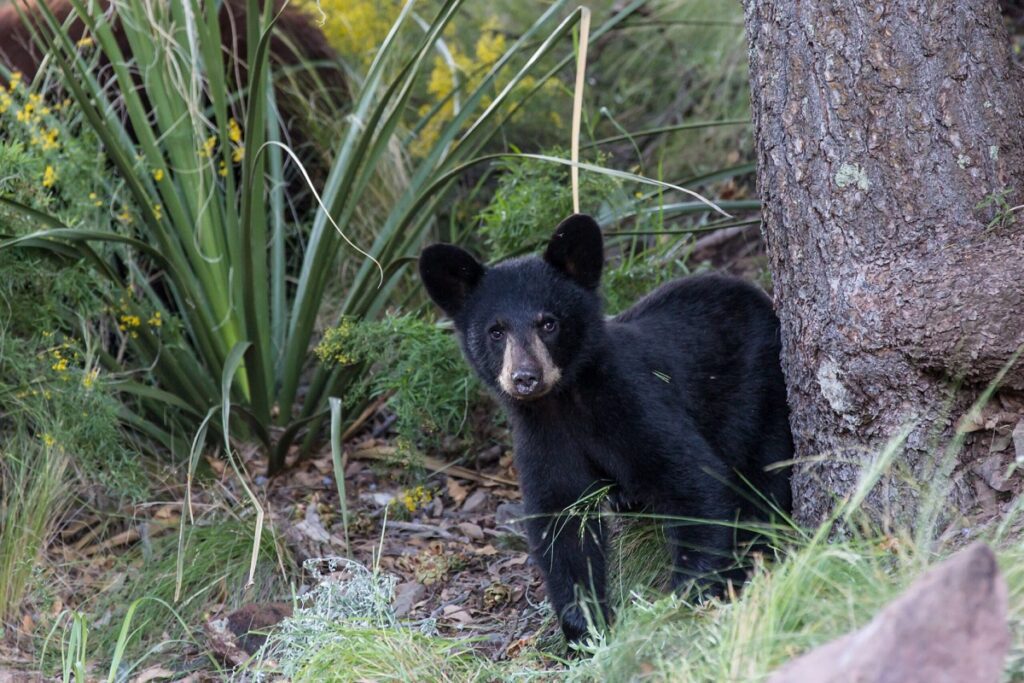
Wildlife is one of Big Bend National Park’s greatest attractions. The park is home to more than 75 species of mammals, including black bears, mountain lions, mule deer, javelinas, coyotes, bobcats, and elusive ringtails. Notably, Big Bend is one of the few places in Texas where black bears have successfully returned and established healthy populations.
Bird enthusiasts also flock to the park because it has recorded more than 450 bird species, earning its reputation as one of North America’s finest birdwatching destinations. Visitors may spot roadrunners darting through the desert, golden eagles soaring above the mountains, and peregrine falcons hunting along the cliffs.
You’ll also encounter colorful hummingbirds feeding on wildflowers, and countless migratory birds passing through during seasonal migrations. The park also harbors numerous reptiles, amphibians, and hardy desert plants adapted to survive in the harsh Chihuahuan Desert environment.
Best Time to Visit Big Bend National Park
For most travelers, the best time to visit Big Bend National Park is between November and April. During these months, daytime temperatures typically range from the 60s to 70s°F, creating ideal conditions for hiking, scenic drives, and exploring the park’s rugged desert landscapes. Since Big Bend lies within the Chihuahuan Desert, avoiding the intense summer heat makes outdoor adventures far more enjoyable.
Each season, however, offers a unique experience. Spring (March to April) is the busiest and most vibrant time of year. The season sees colorful wildflowers, including the iconic Texas bluebonnets and blooming prickly pear cacti, blanket the desert. Warm days and cool evenings attract large crowds, especially during Texas Spring Break.
Fall, especially October and November, is favored by many experienced visitors thanks to its crisp air, clear skies, and comfortable daytime temperatures in the 70s and 80s°F. Although occasional rain showers are possible, the trails are generally quieter than in spring. Also, seasonal events such as the Terlingua Chili Cook-Offs and Día de los Muertos celebrations add extra cultural appeal.
Winter (December through January) offers the park’s most peaceful atmosphere, making it perfect for travelers seeking solitude. Big Bend is located within the International Dark Sky Reserve. This means winter nights provide exceptional stargazing under remarkably clear skies. Also, the historic Hot Springs along the Rio Grande become especially inviting after a day of hiking.
Getting to Big Bend National Park

Getting to Big Bend requires planning because it is one of the most remote national parks in the US. Driving is the only practical way to reach and explore it. There are no commercial flights directly into the park, so most visitors fly into a nearby regional airport and then continue by rental car.
The most convenient option is Midland International Air & Space Port, which is about 235 miles from park headquarters and takes roughly a 3.5-hour drive. El Paso International Airport is another alternative, located about 320 miles away, followed by an estimated 4.5-hour drive.
For those adventurous souls, a road trip is a beautiful way to reach the park. Access is pretty straightforward from major highways, but a personal vehicle is essential since there is no public transportation within the park. Travelers coming from the north or east typically use I-10 or I-20, then connect to US-385 South through Marathon to enter via the Persimmon Gap entrance.
From the west, visitors can follow I-10 through Fort Stockton to Alpine, then continue south on TX-118 to reach the Maverick Junction entrance. Services are widely spread out, so it is important to refuel well before entering the region. Gas stations are extremely limited and the nearest EV charging station is about 130 miles away in Fort Stockton.
Other Activities in Big Bend National Park
Big Bend National Park offers a wide variety of unforgettable experiences that showcase both its natural beauty and cultural richness. Visitors can explore the rugged Chisos Mountains through a network of trails. There’s a network of challenging routes like the Lost Mine Trail as well as easier desert walks that lead to landmarks such as Balanced Rock.
Scenic driving is another rewarding activity, especially along the Ross Maxwell Scenic Drive. This 30-mile route is filled with sweeping desert views, historic sites, and easy access to viewpoints like the Homer Wilson Ranch. Travelers can also experience a unique cultural connection by crossing the river into the small Mexican village of Boquillas del Carmen.
Here, local food and handmade crafts offer a glimpse of life across the border, though a passport is required. For relaxation, the Hot Springs Historic District provides soothing 105-degree natural thermal waters right along the river. Evenings open up opportunities for stargazing under some of the darkest skies in North America, revealing the Milky Way in extraordinary detail.
Park Fees in Big Bend National Park
The standard fee for a private vehicle is $30, and this covers everyone inside the vehicle for up to seven consecutive days. For those arriving by motorcycle, the entrance fee is slightly lower at $25, while pedestrians and cyclists pay $15 per person for visitors aged 16 and older. For frequent travelers or those planning extended outdoor adventures, the park offers several pass options.
The Big Bend Annual Pass costs $55 and allows unlimited entry to the park for one year. Alternatively, the America the Beautiful Pass, priced at $80, provides access to all U.S. national parks and federal recreation sites for 12 months. There are also lifetime and access passes available for eligible U.S. seniors, military members, and individuals with permanent disabilities.
FAQs
Is Big Bend National Park worth visiting?
Yes, Big Bend National Park is absolutely worth visiting. Situated in Far West Texas, the park stands out for its remarkable geological diversity. Here, the soaring Chisos Mountains rise sharply above the expansive Chihuahuan Desert, and the life-giving Rio Grande cuts through rugged canyons and greener river corridors. This blend of environments creates an almost surreal variety of scenery within a single destination.
How long to spend in Big Bend National Park?
To truly experience Big Bend National Park, it is best to plan around 3 to 4 days. The park is extremely large and its remote location means travel times inside the park can be surprisingly long. In fact, driving from one end to the other can take over an hour, so trying to see everything in a single day is not realistic.
Conclusion
Big Bend National Park is far more than a scenic destination; it is a place where nature still feels vast, wild, and largely untouched. From the rugged Chisos Mountains and the sweeping Chihuahuan Desert to the towering canyons carved by the Rio Grande, every landscape showcases the remarkable diversity of this protected wilderness.