
Guide to Corcovado: Costa Rica’s Explosive Biosphere
Located on the remote Osa Peninsula of Costa Rica, Corcovado National Park is often described as one of the most biologically intense places on Earth. Spanning acres of tropical rainforest, mangrove swamps, and pristine beaches, the park is a haven for wildlife and a sanctuary for conservation.
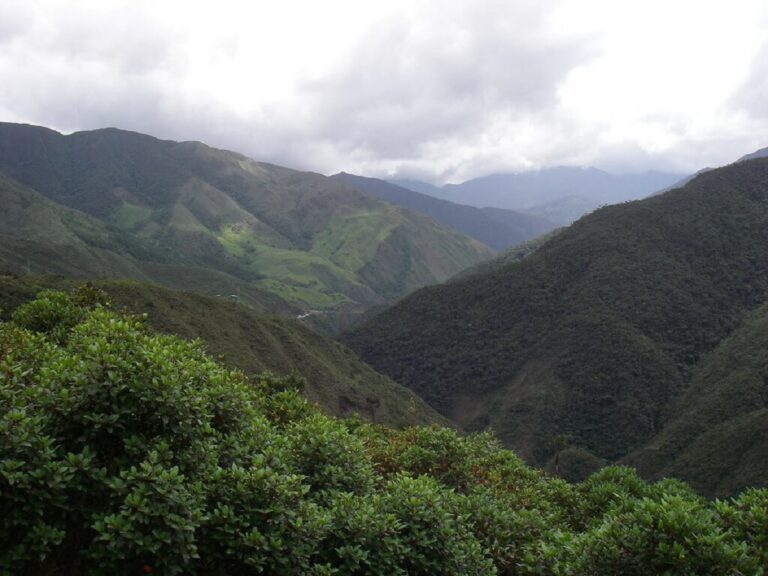
The park’s landscapes are as diverse as its wildlife. Dense rainforest trails wind through towering trees and ferns, leading explorers to hidden waterfalls and secluded rivers. Corcovado is also home to one of the last remaining populations of the endangered Baird’s tapir, offering a rare opportunity to see this elusive creature in its natural habitat. Here’s our comprehensive guide to Corcovado National Park;
Please Download Our Mobile App here.
Overview of Corcovado National Park
Established on October 24, 1975, Corcovado spans an impressive 424 square kilometres. The park is located in southwestern Costa Rica, particularly the Osa Peninsula. It covers roughly a third of the peninsula, making it one of the largest parks in Costa Rica. It protects the largest remaining primary forest along the American Pacific coastline. It’s also one of the few significant stretches of lowland tropical forest left in the world.
These lowland areas, historically targeted for logging due to the abundance of economically valuable trees and their accessibility. Today, much of the original lowland forest outside protected areas is too fragmented to sustain its natural diversity, making Corcovado’s preservation all the more critical.
The park is recognized as one of the country’s most important natural reserves, harboring an astonishing 2.5% of the Earth’s biodiversity. Its dense forests, rivers, and coastline provide sanctuary for countless plants and animals, highlighting the park’s unique ecological significance.
Also Read: Best Resorts in Costa Rica.
Wildlife in Corcovado National Park

Wildlife in Corcovado National Park is nothing short of extraordinary. The park’s animals are remarkably unafraid of humans, allowing visitors to observe their natural behavior up close. Among the highlights is the elusive Tapir, a rare and ancient species that roams the park. You’ll also encounter alongside spider monkeys, peccaries, coatis, and bats.
All four monkey species of Costa Rica, including the highly endangered red-backed squirrel monkey, and all six of the country’s feline species are found here. The beaches host all four sea turtle species that nest in Costa Rica. The park also boasts more than 40 species of frogs, including red-eyed tree frogs, glass frogs, rain frogs, dink frogs, and poison arrow frogs.
There are also dozens of snake species such as boas and the formidable bushmaster, and 28 lizard species. In addition, the Osa Peninsula is home to over 100 species of butterflies and at least 10,000 other insects, and more than 400 bird species, including 16 types of hummingbirds and the largest population of scarlet macaws in Central America.
Best Time to Visit Corcovado National Park
The best time to visit Corcovado largely depends on what kind of experience you are seeking. The dry season (December to April) is ideal for those who want sunny and stable weather. These conditions offer safe river crossings, and excellent opportunities to spot wildlife congregating at water sources, making hiking and photography particularly rewarding.
However, this period is also the park’s busiest, so be prepared for larger crowds and higher prices. On the other hand, the wet season (May to November) offers fewer tourists and lower costs for accommodation and tours. This period also brings unique wildlife experiences, such as observing migrating humpback whales or sea turtles nesting along the coast.
The trade-off is that trails can become muddy, and afternoon showers are common, particularly in September and October, which are the wettest months. For those looking for a balance between good weather and affordability, May and June, provide relatively pleasant conditions while avoiding the peak-season crowds.
Getting to Corcovado National Park

Getting to Corcovado National Park from San José requires a bit of planning, as the park is remote and inaccessible by road. The quickest way to reach it is by taking a domestic flight from San José to either Drake Bay or Puerto Jiménez. Airlines like Sansa offer flights that take around 50 minutes.
For budget travelers, a public bus from San José to Sierpe followed by a boat ride to Drake Bay or directly to one of the park’s ranger stations is a popular option. However, it takes significantly longer than flying. Renting a car is another possibility, giving you the flexibility to drive to Sierpe or Puerto Jiménez before boarding a boat to the park.
Since Corcovado is off the beaten path, we recommend first-timers book organized tours from nearby destinations like Uvita or Manuel Antonio. These tours handle all logistics, including transportation, boat rides, accommodation, and park entrance fees, making the journey easier. It’s also worth noting that Corcovado can only be visited with a guide, so having all the logistics handled makes more sense.
Other Activities in Corcovado National Park
Corcovado National Park offers a range of activities for those looking to experience both its lush landscapes and coastal beauty. Hiking and trekking are popular, with trails that pass through primary and secondary forests, leading adventurers to remote beaches and hidden waterfalls. The park is served by six ranger stations, five of which are located within the park itself.
Two of them provide facilities for camping, including potable water, communication via radio or telephone, and sometimes a sheltered space for sleeping bags. Wildlife enthusiasts can also enjoy watching nesting sea turtles on the beaches, a rare and memorable sight. For those interested in marine exploration, nearby Drake Bay offers opportunities for snorkeling and diving at Caño Island.
Park Fees in Corcovado National Park

Corcovado charges varying admission fees depending on nationality. Foreign visitors typically pay $15 per day, while Costa Rican citizens and residents benefit from a reduced rate of ¢1,600 per day (about $3).
Children between the ages of 2 and 12 also enjoy discounted entry, with citizens and residents paying ¢500 ($1) and non-resident children $5. You’re required to enter the park with a guide or on a guided tour. Most tour operators price these fees into their packages.
FAQs
Is Corcovado National Park worth visiting?
Yes, Corcovado National Park is definitely worth visiting. Renowned for its extraordinary biodiversity, the park offers a rare chance to observe animals in their natural habitat. Those who are prepared for the physical challenges and have a basic knowledge of wilderness trekking will find that the effort richly rewarding.
How long to spend in Corcovado National Park?
To fully appreciate Corcovado National Park, it’s recommended to spend a minimum of two full days and one night within the park. A single-day visit often feels rushed, limiting your ability to explore the dense rainforest, spot wildlife, and experience the park’s remarkable biodiversity. For a more immersive experience, plan a 3-4-day trip.
Conclusion
For anyone seeking an authentic encounter with Costa Rica’s Corcovado National Park offers an unparalleled adventure. It is a place where the sights and sounds of the wild are not just observed but felt. The park challenges visitors to slow down, immerse themselves fully, and witness the extraordinary diversity that thrives in this tropical paradise.