Guide to Gobi Gurvansaikhan: Mongolia’s Largest Nature Sanctuary
Mongolia is a land of vast, untamed beauty, and few places embody its rugged charm quite like Gobi Gurvansaikhan National Park. Located in the southern part of the country, this sprawling park is the largest national park in Mongolia. Named after the “Three Beauties of the Gobi,” the mountain range that runs through it, this park is home to rare wildlife and a deep sense of solitude.
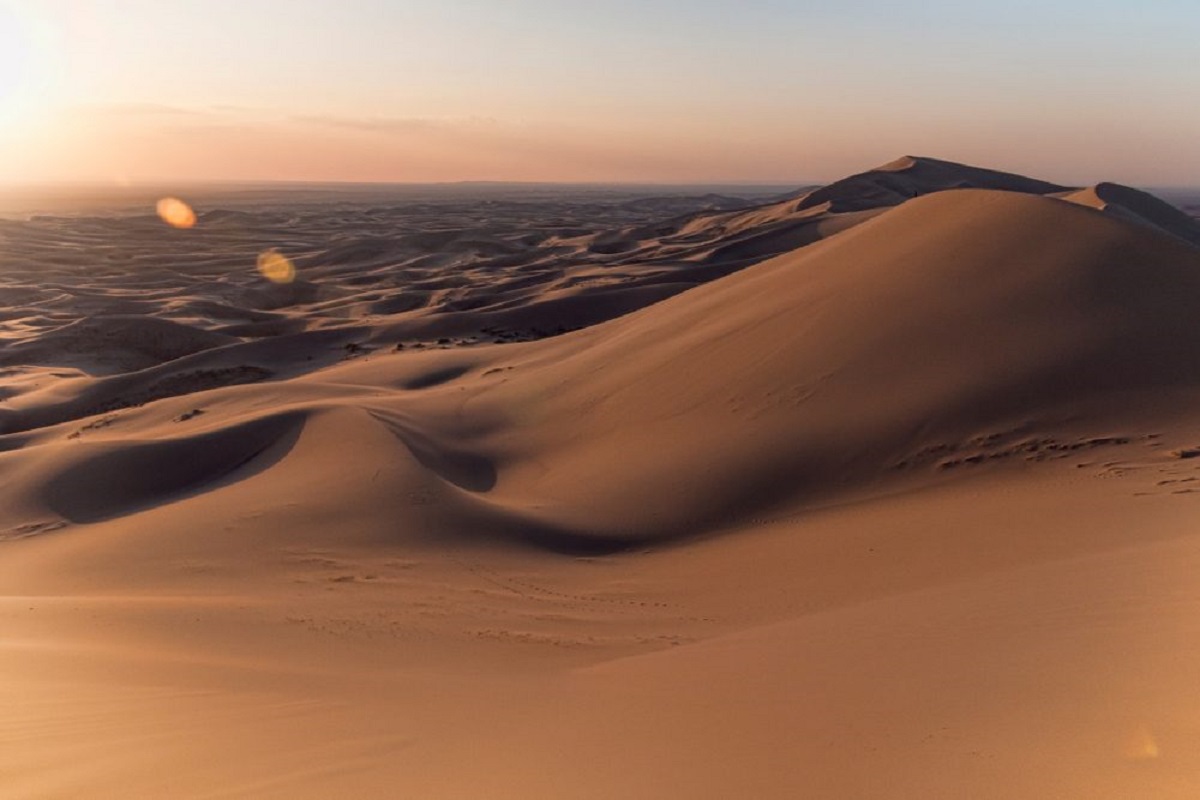
The Gobi Desert is often imagined as an endless sea of sand dunes, but Gobi Gurvansaikhan National Park tells a more complex story. While it does feature rolling dunes, notably the Khongoryn Els (also called the “Singing Sands”), the park is also home to deep canyons, ice-filled valleys, and grassy steppe landscapes. Here’s our comprehensive guide to Gobi Gurvansaikhan National Park;
Please Download Our Mobile App here.
Overview of Gobi Gurvansaikhan National Park
Being the largest national park in Mongolia, Gobi Gurvansaikhan National Park spans an impressive 10,424.76 square miles in the southern part of the country, near its border. It lies almost directly north of Phnom Penh and just 27.9 miles (45 km) northeast of Siem Reap. The park’s landscape is a striking mix of rugged mountains, vast steppes, and desert terrain, offering a glimpse into the diverse ecosystems of the Gobi region.
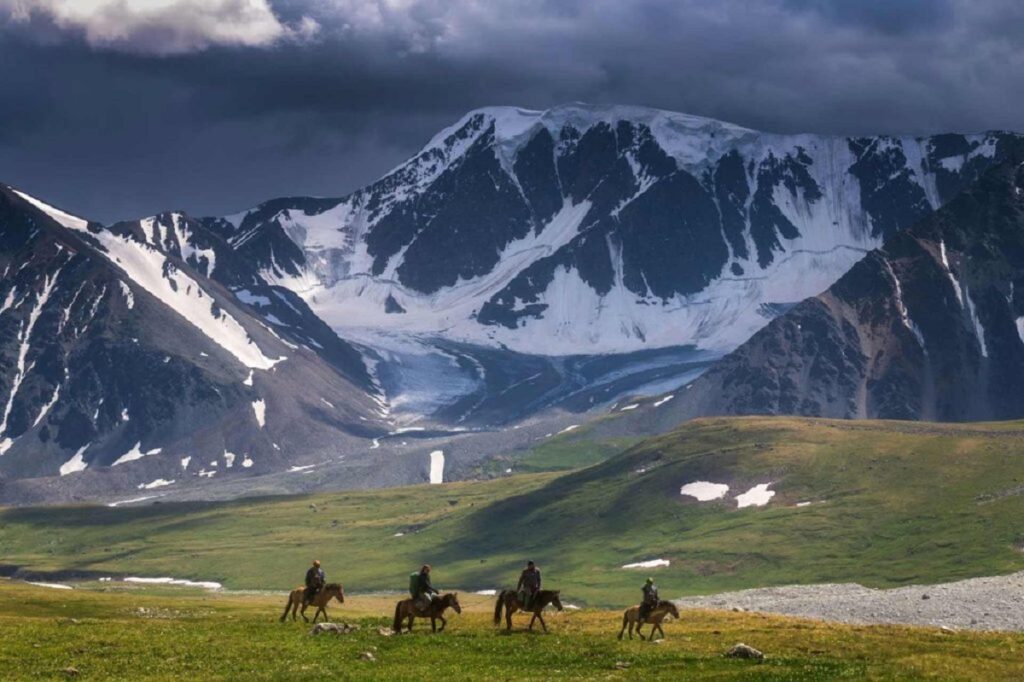
The eastern section is dominated by the Gurvan Saikhan Mountains (the “Three Beauties”) which make up roughly half of the park’s terrain. While the park only covers a section of the vast Gobi Desert, it includes the northernmost reaches, where steppes rise to elevations of 8,530 feet (2,600 m).
Scattered throughout are striking sand dunes, the most famous being the Khongoryn Els. Khongoryn is often called the “Singing Sands” due to the melodic sounds they produce when the wind moves across them. The park also supports a range of landscapes, including dry valleys, salt wetlands, springs, and gravel plains.
Wildlife in Gobi Gurvansaikhan National Park
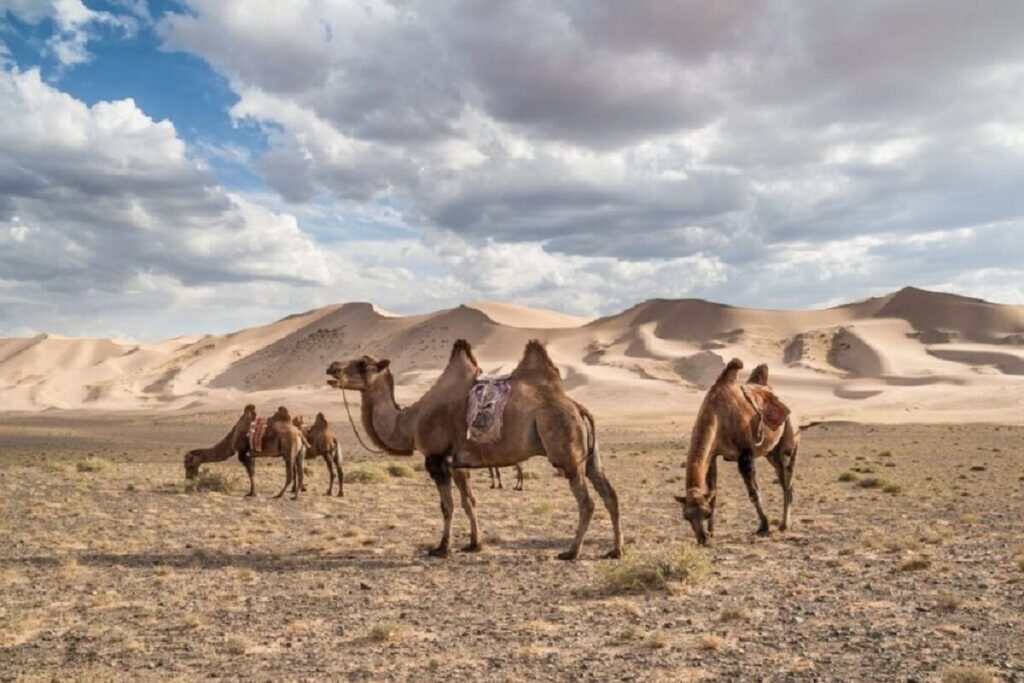
Gobi Gurvansaikhan National Park boasts an impressive array of wildlife, with over 50 mammalian species adapted to its harsh desert environment. Among the most sought-after sightings are the elusive snow leopard, the rare Gobi bear, and the agile ibex navigating the park’s rugged terrain.
Other notable inhabitants include the lynx, marten, wildcat, and argali sheep, the latter known for its massive curved horns. The park is also home to herds of gazelles darting across the open plains and stealthy predators like the corsac fox and Pallas’s cat.
Birdwatchers will find the park equally captivating, with around 245 avian species recorded in the park. These including formidable birds of prey such as the golden eagle, the endangered saker falcon, and the bearded vulture—also known as the lammergeier. The presence of these raptors, along with various other bird species, has earned the park recognition as an Important Bird Area by BirdLife International.
Best Time to Visit Gobi Gurvansaikhan National Park
The ideal time to explore Gobi Gurvansaikhan National Park is in late spring (May-June) or early autumn (September-October). During these months, daytime temperatures are mild, and the cooler nights provide a refreshing contrast, making outdoor activities like hiking and wildlife spotting much more enjoyable.
Spring brings increased wildlife activity as animals emerge after the harsh winter. On the other hand, autumn transforms the landscape with golden hues, offering stunning photographic opportunities. In contrast, summer (July-August) can be overwhelmingly hot, with scorching desert temperatures that make extended outdoor excursions difficult.
Meanwhile, winter (November-April) is characterized by bitter cold, often plunging below -20°C, with potential snowstorms limiting accessibility. By planning a visit in the shoulder seasons, travelers can experience the park’s breathtaking scenery and rich biodiversity without the extremes of heat or cold.
Getting to Gobi Gurvansaikhan National Park

Reaching Gobi Gurvansaikhan National Park requires some planning, but the journey itself is an adventure. Most travelers start by flying into Ulaanbaatar, Mongolia’s capital, before continuing their trip south. One option is to take a domestic flight from Ulaanbaatar to Dalanzadgad, the provincial capital of Umnogov, which takes about an hour.
From there, the park is just a 2–3 hour drive away, and guided off-road tours can be arranged to explore its dramatic landscapes. For those who prefer an overland journey, driving from Ulaanbaatar to Dalanzadgad takes about 6–7 hours, while a full overland trek to the park can take 8–10 hours, navigating rugged desert roads.
Alternatively, some flights go directly from Ulaanbaatar to the park, though availability may be limited. Dalanzadgad serves as the main access point, offering tour operators and vehicle rentals for visiting highlights like the Khongoryn Els dunes and the striking Yolyn Am valley.
Travelers coming from other areas, such as Mandalgobi or Bayankhongor, can also reach the park by road, though these routes require additional time. No matter the approach, hiring an experienced driver or guide is highly recommended, as the park’s vast and remote terrain can be challenging to navigate alone.
Other Activities in Gobi Gurvansaikhan National Park
Gobi Gurvansaikhan National Park offers an array of stunning landscapes and activities for adventurous travelers. One of its most iconic attractions is the Khongoryn Els dunes which stretch over 100 kilometers and rise up to 300 meters. These towering sand formations create a mesmerizing, ever-changing landscape shaped by the wind, perfect for hiking or exploring on a camel ride.
For those seeking a cooler contrast, Yolyn Am Valley provides a dramatic shift in scenery with deep canyons and narrow passages where ice can linger even through summer. Hiking through this valley reveals unique rock formations and the chance to spot wildlife that thrives in these shaded, cooler areas.
Another hidden gem is Dungene Canyon, a quieter but equally breathtaking destination where steep rocky trails lead through rugged terrain. It’s ideal for those looking for a more serene hiking experience. History and paleontology enthusiasts will be drawn to the Bayanzag Flaming Cliffs, where the rich red hues at sunset create a striking backdrop.
This area is world-famous for dinosaur fossil discoveries, offering a glimpse into the prehistoric past. Meanwhile, the trails weaving through the Gurvansaikhan Mountains provide rewarding panoramic views, making them a great choice for moderate hikes.
The park also holds significant archaeological sites that reveal traces of ancient inhabitants and the region’s fascinating natural history. As night falls, Gobi Gurvansaikhan transforms into a stargazer’s paradise, with some of the clearest, most unpolluted night skies in the world.
Park Fees in Gobi Gurvansaikhan National Park
Visitors to Gobi Gurvansaikhan National Park are required to pay a one-time entrance fee of 3,000 Mongolian Tugrik (MNT) per person ($3). In addition to this, those exploring Yol Canyon may choose to visit the on-site museum for an extra 1,000 MNT ($1 USD). Travelers driving within the park should also factor in a vehicle fee of 3,000 MNT ($3 USD) per day.
FAQs
What are the three beauties of Gobi?
The “Three Beauties of Gobi” refer to the three towering peaks of the Gobi-Altai mountain range. These peaks—Baruun Saïhan, Dund Saïhan, and Züün Saïhan—are the highest in this part of the range. Baruun Saïhan, meaning “the West Beauty,” is the tallest of the trio, reaching an impressive 2,815 meters (1.75 miles) above sea level. Dund Saïhan, or “the Middle Beauty,” sits between the two, while Züün Saïhan, known as “the East Beauty,” completes the set.
What is the mystery of the Gobi Desert?
The Gobi Desert is shrouded in mystery. Here, you’ll find shifting sands hiding the remnants of lost civilizations, the well-preserved mummies, and the fossilized remains of dinosaurs that once roamed its vast expanse.
There are remote areas so untouched that no human has ever set foot there, adding to the desert’s enigmatic allure. Beyond its historical and paleontological treasures, the Gobi is also home to one of the world’s rarest creatures—the wild Bactrian camel.
Conclusion
Gobi Gurvansaikhan National Park is more than just a collection of striking landscapes—it’s a testament to the resilience of life in extreme conditions. Here, you’ll find a treasure trove of ancient history, and a gateway to the unique culture of Mongolia’s desert dwellers.