Guide to Jirisan: South Korea’s Sprawling Nature Reserve
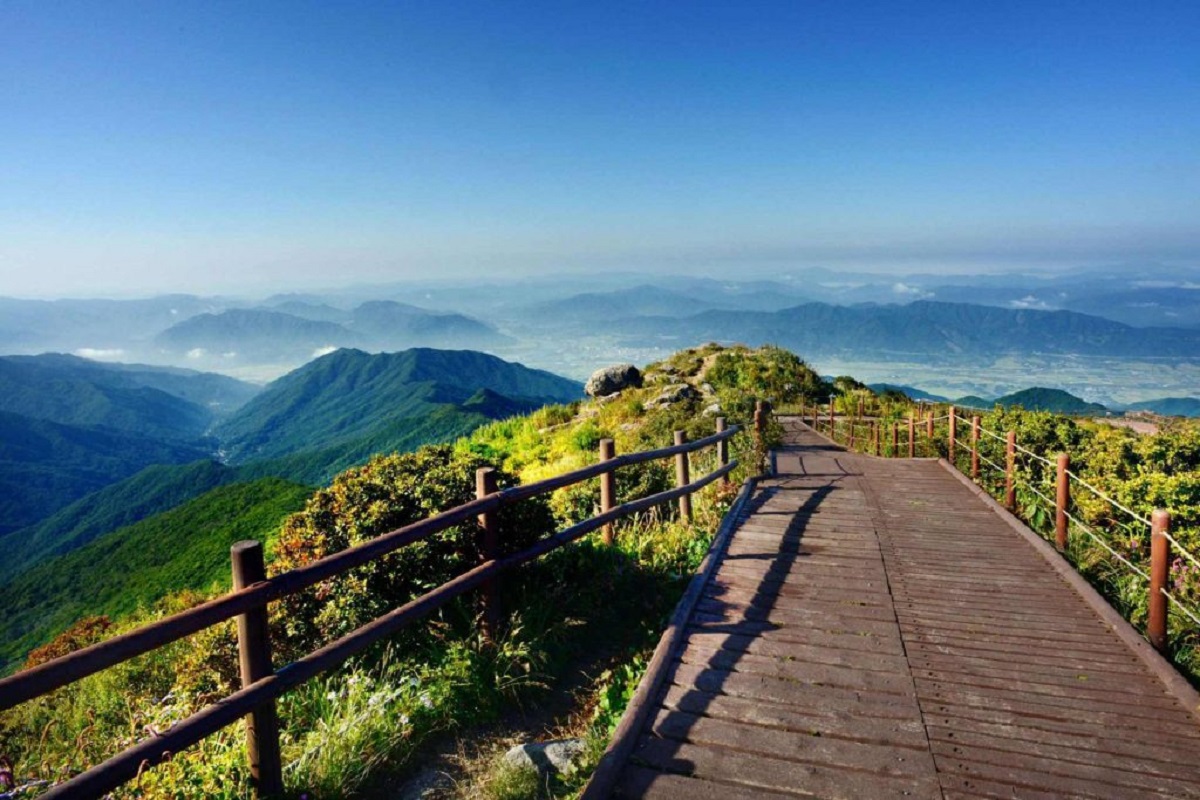
Nestled in the southern region of South Korea, Jirisan National Park is a breathtaking expanse of wilderness that spans three provinces—Jeollabuk-do, Jeollanam-do, and Gyeongsangnam-do. As the country’s first national park and one of the most expansive, Jirisan is a paradise for nature lovers, hikers, and those seeking solace in its pristine landscapes.
Jirisan is also home to Cheonwangbong Peak, the second-highest mountain in South Korea after Hallasan on Jeju Island. The park is particularly famous for its mist-covered peaks, ancient Buddhist temples, and diverse flora and fauna. Here’s our comprehensive guide to Jirisan National Park;
Please Download Our Mobile App here.
Overview of Jirisan National Park
Jirisan National Park, designated in 1967 as South Korea’s first national park, holds both historical and geographical significance. Located in the southern part of the country, just inland from the central coastline, it spans a vast 182.14 square miles (471.75 square kilometers). This makes it the largest terrestrial national park in South Korea and the third-largest overall.
Stretching across 3 counties: South Gyeongsang, South Jeolla, and North Jeolla. It also encompasses not only breathtaking natural landscapes but also the mainland’s tallest mountain, Jirisan itself. Known locally as “the mountain of the odd and wise people,” Jirisan has long been a place of cultural and spiritual importance.
While Jirisan often competes for attention with the more widely recognized Hallasan National Park on Jeju Island, it remains a central pillar in the country’s conservation and natural heritage.
Wildlife in Jirisan National Park
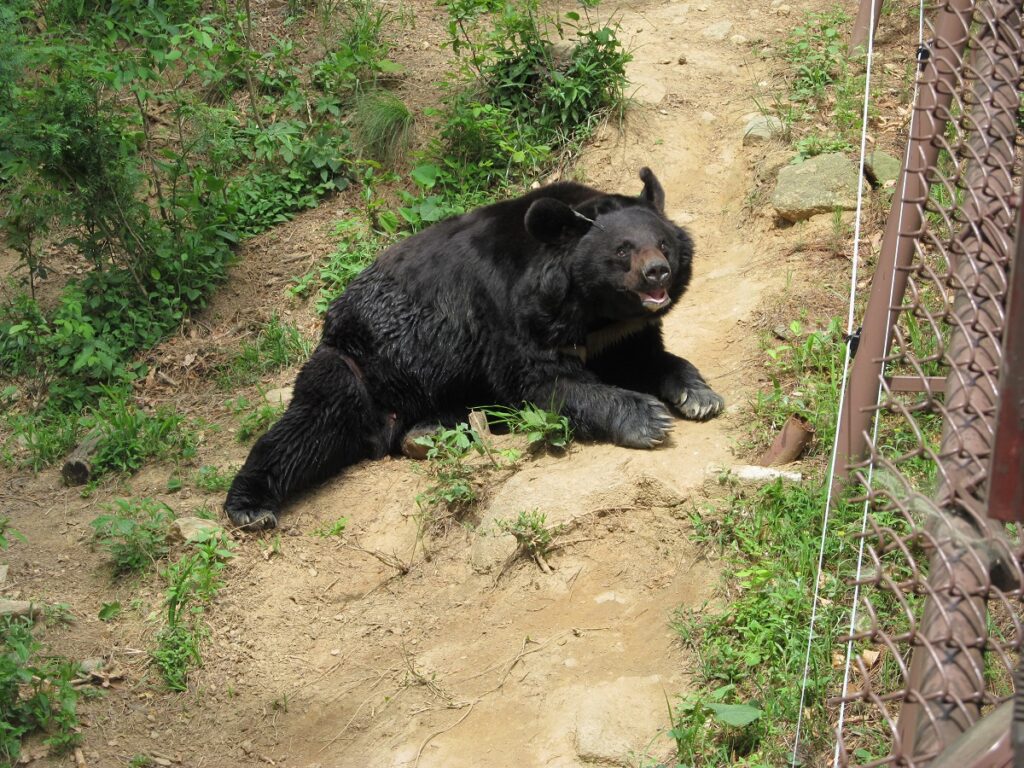
Jirisan National Park is a biodiversity haven, home to around 5,000 species of plants and wildlife, many of which are endemic to the region. This rich ecosystem is a sanctuary for a diverse range of animals, including elusive creatures like the Asiatic black bear, wildcats, roe deer, and elk.
Best Time to Visit Jirisan National Park
The best time to visit Jirisan National Park is during the spring (from March to mid-May). During these months, the park offers stunning sights of cherry blossoms and vibrant canola flowers. However, the park is also as endearing in autumn (from mid-November to mid-December).
Summer in the park can be hot and humid with occasional rain, making hiking unbearable. Spring and fall provide the most pleasant hiking conditions, especially along the park’s scenic trails like the West-North Ridge track. Because some areas have restricted access, it’s recommended to make reservations in advance, particularly for the mountain shelters, which require prior booking.
Getting to Jirisan National Park
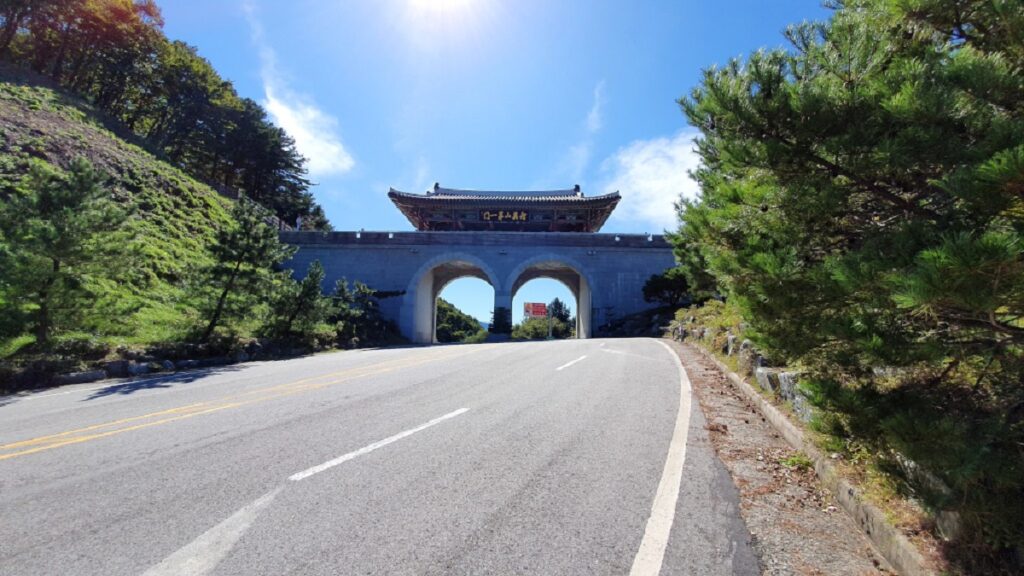
To reach Jirisan National Park, travelers can choose from several convenient bus routes depending on their starting point. From Seoul, direct buses depart from the city’s bus stations to key entry points like Gurye and Namwon, with the journey taking around 4 hours. If you’re coming from Busan, you’ll find direct buses to the park’s main access points, and the trip takes approximately 3 hours.
For those staying in Jeonju, buses to Jirisan take less than 2 hours, making it an excellent option for combining both cultural and natural exploration. From Gwangju, several transport options are available, all taking around 2 hours to reach the park. These routes offer easy access to one of South Korea’s most beautiful national parks, no matter where you’re coming from.
Other Activities in Jirisan National Park
Jirisan National Park is a haven for outdoor enthusiasts, offering a variety of hiking trails suited to all levels of experience. Every hike in this park reveals breathtaking vistas of the surrounding landscape, making you appreciate the region. Among the most popular routes are the challenging hike to Cheonwangbong Peak and the serene walk through the picturesque Baemsagol Valley.
The park also offers opportunities for birdwatching, camping in peaceful mountain shelters, and immersing oneself in the natural beauty and calm that defines the area.
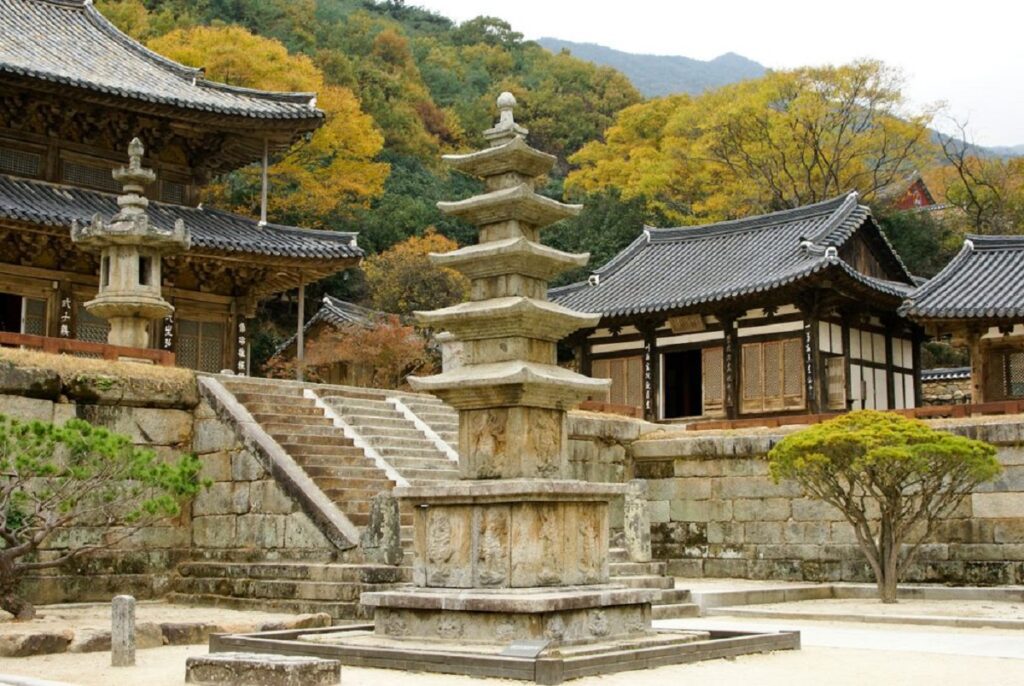
For those seeking cultural enrichment, Jirisan boasts seven Buddhist temples, each adding a layer of spiritual heritage to the park’s allure. A particularly magical time to visit is during the Higan cherry blossom season, when the iconic Hwaeomsa temple is surrounded by a sea of delicate pink blooms.
Park Fees in Jirisan National Park
Jirisan National Park charges admission fee but you’ll are required to pay parking fees if you come driving. For a light-weight car (under 1,000 cc), the fee is 2,000 won ($1.50). Small to mid-sized vehicles (1,000 cc or more) are charged 5,000 won ($3.80 during peak season and 4,000 won ($3.05) during the off-season.
For larger vehicles, such as buses with 25 or more seats, the fees are 7,500 won ($5.70) in peak season and 6,000 won ($4.55) during the off-season. Additionally, some heritage sites near the park may charge a 3,500 won ($2.65) entrance fee, especially when approaching from Gurye.
FAQs
Is Jirisan worth visiting?
Jirisan is definitely worth visiting, especially for those interested in history and natural beauty. The Jiri Mountains are rich in historical significance, home to numerous monuments and sites, including the impressive future Buddha sculptures. These mountains also carry the weight of a painful past—people once endured unimaginable hardship.
They struggled with severe food and water shortages, a lack of support, and oppressive government control. Visiting Jirisan not only offers an opportunity to experience stunning landscapes but also allows you to reflect on the resilience of those who lived through such difficult times, making it a deeply meaningful journey.
Is Jirisan a real mountain?
Yes, Jirisan is a real mountain and a significant natural landmark in South Korea. Standing at 1,915 meters, it is the tallest mountain on the mainland, second only to Hallasan on Jeju Island. Located within Jirisan National Park, this majestic peak is a popular destination for hikers and nature enthusiasts. Its dramatic landscapes, diverse ecosystems, and rich cultural history make it an essential part of outdoors, offering a striking contrast to the more well-known peaks like Hallasan.
Conclusion
Whether you’re an avid hiker or a cultural explorer, Jirisan National Park offers an unforgettable experience. With its rich biodiversity, spiritual heritage, and stunning landscapes, it remains one of South Korea’s most treasured natural gems, inviting travelers to embrace the outdoors.