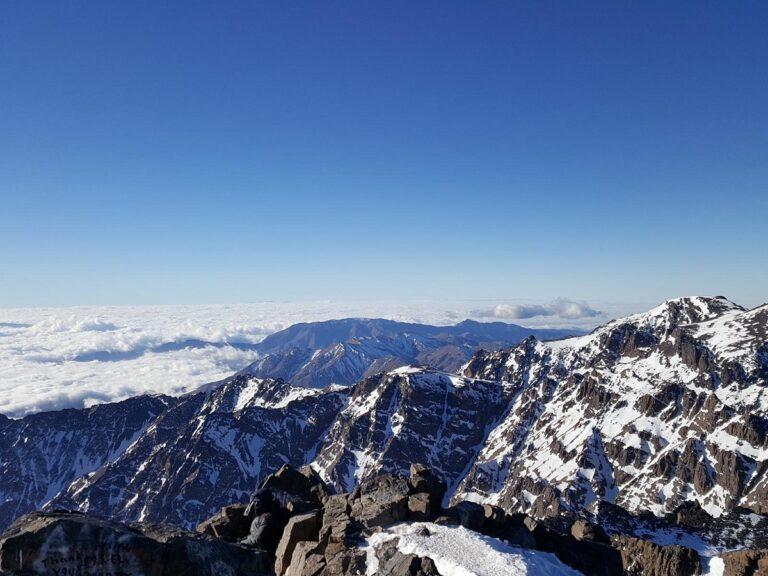

Guide to Pico Pijol: Honduras’ Scenic National Park
Located in the northern highlands of Honduras, Pico Pijol National Park is a hidden gem for travelers seeking unspoiled natural beauty and challenging outdoor adventures. The park is named after its highest peak, Pico Pijol, which towers over lush cloud forests, rivers, and rugged valleys. It is a haven for biodiversity, offering a home to countless plant and animal species, many of which are endemic to the region.
Spanning thousands of hectares, Pico Pijol National Park features a mix of cloud forests, pine-oak woodlands, and river valleys that create a captivating ecosystem. The park’s high elevation results in cooler temperatures and mist, giving the forest a mystical, almost otherworldly atmosphere.
Hiking is the primary way to explore the area, with trails leading to the summit of Pico Pijol, offering panoramic views over the surrounding valleys. Here’s our comprehensive guide to Pico Pijol National Park;
Overview of Pico Pijol National Park
Pico Pijol National Park is a protected natural treasure located in north-central Honduras within the department of Yoro. Spanning roughly 118 square miles, the park forms part of the larger Nombre de Dios mountain range. It plays a vital role in preserving the region’s cloud forest ecosystem.
Characterized by mist-covered mountains, dense vegetation, and a network of rivers cutting through rugged terrain, the park offers dramatic landscapes and varied habitats. At its highest point, Pico Pijol provides panoramic views of deep valleys, cascading streams, and hidden waterfalls tucked beneath the forest canopy.
The park’s terrain ranges from steep slopes to lower-elevation tropical rainforests. Its vegetation is dominated by cloud forests with towering trees draped in moss, ferns, and epiphytic plants, while bromeliads and orchids add vivid color to the greenery. Sections of tropical and subtropical rainforest, featuring majestic ceiba and mahogany trees, further enhance the park’s biodiversity.
Also Read: Best Resorts in Honduras.
Wildlife in Pico Pijol National Park

Pico Pijol National Park is a vibrant cloud forest ecosystem that supports an extraordinary array of wildlife. The park is home to over 500 animal species, including the endemic Pijol salamander, which is found only in this high-altitude habitat. Birdwatchers are drawn to the park for its spectacular avian diversity.
Here, you’ll spot resplendent quetzals, toucans, and trogons among the forest canopy, while raptors like the ornate hawk-eagle glide overhead. The dense forests also provide cover for mammals such as white-tailed deer and other elusive species. The humid, high-elevation environment supports around 112 amphibian and reptile species.
Best Time to Visit Pico Pijol National Park
The ideal time to explore Pico Pijol National Park is during the dry season, which lasts from February to April. These months provide the most favorable conditions for hiking, bird-watching, and enjoying the park’s trails. During the window, the park enjoys sunny skies, lower humidity, and temperatures ranging between 26°C and 32°C.
The wet season from May to November brings higher heat, increased humidity, and frequent short but intense afternoon showers. It’s important to note that coastal and lowland jungle areas surrounding the park remain hot year-round. Temperatures often reach the low thirties Celsius.
Getting to Pico Pijol National Park

Reaching Pico Pijol National Park requires careful planning due to the park’s remote location. Those coming from Tegucigalpa, the journey is about 220 kilometers and can take over five and a half hours. The most flexible and direct option is to rent a car, driving north on highway RN-43 toward El Porvenir. You’ll then follow the signs to Portillo de Gonzalez, which provides the best access to the park’s trailheads.
Public buses from Terminal Cristina bound for La Ceiba can also drop budget travelers near the park. However, it is often more practical to get off in a nearby town and arrange local transport to navigate the final stretch. For those seeking convenience, private shuttles or taxis from Tegucigalpa or major cities like San Pedro Sula are available. These offer a smoother though more expensive, option into the highland wilderness.
Other Activities in Pico Pijol National Park
Pico Pijol National Park offers a wide range of activities for nature enthusiasts and adventure seekers alike. Birdwatchers are drawn to the park for the chance to spot rare species, most notably the resplendent quetzal. Guided hikes are highly recommended due to the dense, rugged terrain, and local guides from the city of Yoro.
The park also provides excellent opportunities for nature photography and observation, capturing the towering trees, tropical plants, and elusive wildlife such as jaguars and ocelots. Beyond birds, visitors can engage in general wildlife spotting, taking advantage of the park’s incredible biodiversity and unique mountain ecosystems.
Park Fees in Pico Pijol National Park

The park is generally free to access. However, visitors are encouraged to contribute a small voluntary conservation fee, typically between 100 and 200 HNL ($4–$8 USD). Given the park’s rugged and sometimes overgrown cloud forest terrain, hiring a local guide is strongly recommended. Guide fees generally range from 300 to 600 HNL ($12–$24 USD) per group.
FAQs
Is Pico Pijol National Park worth visiting?
Pico Pijol National Park is definitely worth visiting. The park provides a serene and largely untouched environment. It features towering mountains, dense cloud forests, and cascading waterfalls that create a breathtaking backdrop for exploration. Well-maintained hiking trails allow visitors to navigate the terrain safely while discovering the area’s rich biodiversity, including rare and colorful species such as the resplendent quetzal.
How long to spend in Pico Pijol National Park?
To fully appreciate Pico Pijol National Park in Honduras, it is recommended to dedicate at least two full days and three nights to the visit. This timeframe provides sufficient opportunity to hike through the park’s trails, reach viewpoints, and immerse oneself in the surrounding rainforest and cloud forest ecosystems.
Conclusion
Pico Pijol National Park is a testament to Honduras’ rich natural heritage and the value of conserving remote landscapes. For those willing to venture into the highlands, the park offers an immersive experience where every trail, river, and mist-shrouded peak tells a story of biodiversity, resilience, and natural wonder.