Guide to Songnisan: South Korea’s Diverse Nature Reserve
South Korea boasts an array of stunning national parks, but one that often flies under the radar is Songnisan National Park. This park is a haven for nature lovers, hikers, and those seeking tranquility away from the bustling cities. Designated as a national park in 1970, Songnisan stretches across North Chungcheong and North Gyeongsang provinces.
The park’s name, Songnisan means “Remote from the Ordinary World Mountain,” a fitting title for a place that offers peace and serenity amid nature. With its breathtaking landscapes, historic temples, and diverse flora and fauna, Songnisan National Park offers a unique experience for visitors. Here’s our comprehensive guide to Songnisan National Park;
Please Download Our Mobile App here.
Overview of Songnisan National Park
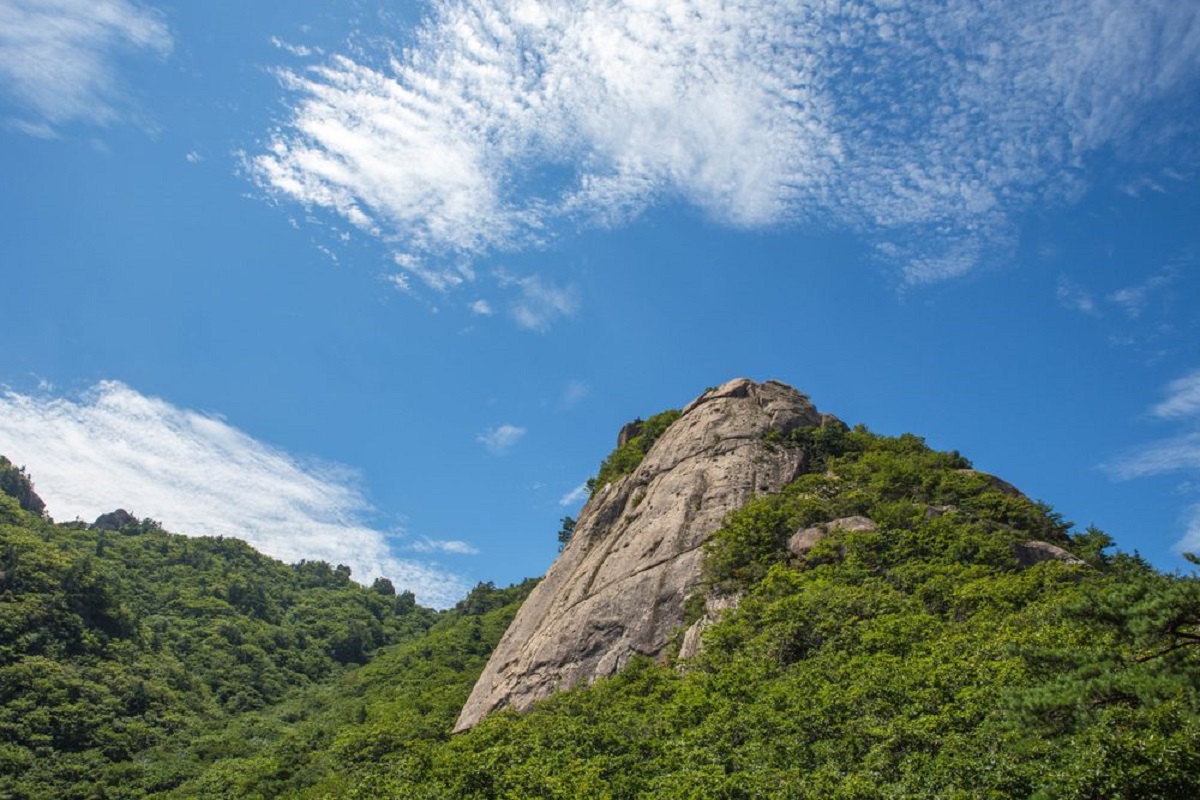
Nestled in the heart of South Korea’s Sobaek Mountains, Songnisan National Park is a breathtaking natural sanctuary spanning 106 square miles (274.54 sq km). Established in 1970 as the country’s sixth national park, it reaches an elevation of 3,471 feet (1,058 m). The park’s rugged peaks, including Cheonhwangbong, Munjangdae, and Birobong, create a dramatic landscape that draws nature lovers and hikers alike.
Songnisan is also rich in cultural heritage, housing revered sites such as Beopjusa Temple and Seongbulsa Temple, along with the ancient Gyeonhwonsanseong Fortress. Adding to its charm, the Jeongipumsong pine tree holds deep cultural significance for the local people.
Wildlife in Songnisan National Park

While Songnisan National Park is not particularly renowned for its wildlife, nature enthusiasts still hold out hope for glimpses of some of its elusive inhabitants. Among these are the agile otter, the secretive marten, the rare small-eared cat, and the fascinating flying squirrel, which glides between trees under the cover of night.
Though mammals may be difficult to spot, the park offers rewarding birdwatching opportunities, as it is home to several endemic bird species that add to the region’s natural charm. These avian residents enhance the park’s ecological appeal, making every visit a chance for unexpected wildlife encounters.
Best Time to Visit Songnisan National Park
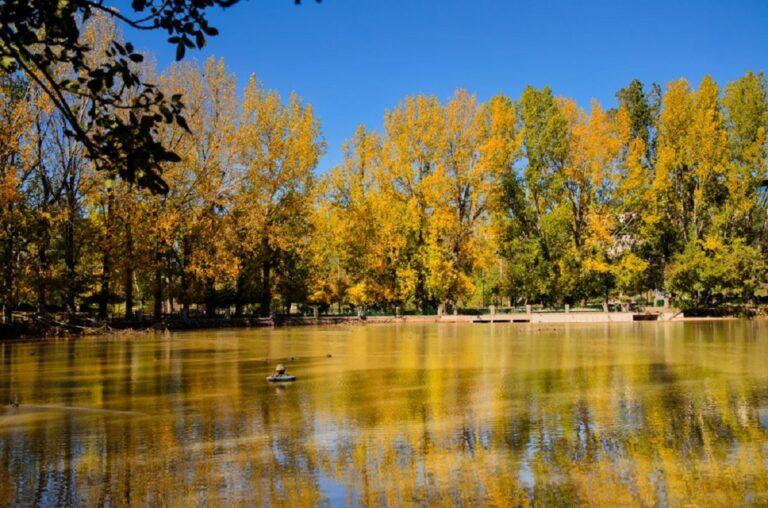
The ideal time to visit Songnisan National Park largely depends on what kind of experience you’re looking for. But the most stunning seasons are autumn and spring. In autumn (September to November), the park transforms into a breathtaking display of red, orange, and yellow foliage, making it the most sought-after time for visitors.
However, this popularity means you’ll likely encounter crowds on the trails. Spring, particularly from April to May, offers a more delicate beauty, with cherry blossoms in full bloom and fresh greenery creating a vibrant yet serene atmosphere. The temperatures are mild, though occasional rain showers can dampen outdoor plans.
Summer (June to August) brings lush, shaded forests—ideal for escaping the heat—but the high humidity and sporadic rainfall can make hiking more challenging. Winter (December to February) is a quieter time to visit, with the possibility of snowy, icy trails adding an extra layer of difficulty, especially near the summit.
Getting to Songnisan National Park
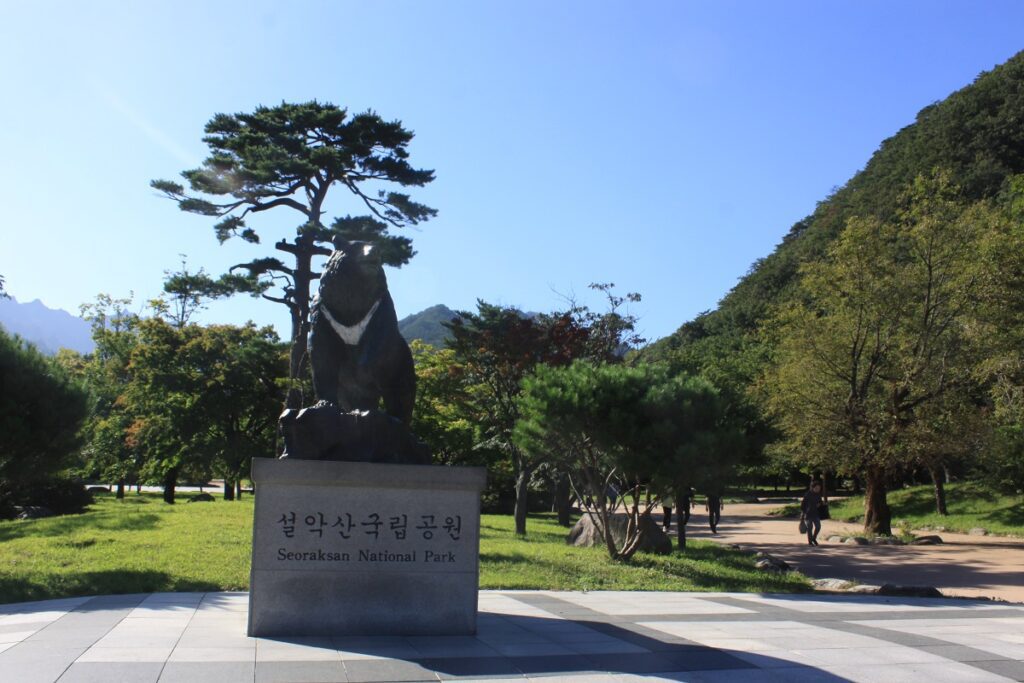
To get to Songnisan National Park, start your journey at the Cheongju Inter-City Bus Terminal, where you can catch a direct bus to the Songnisan bus terminal. The ride takes around two hours and costs around 8,600 won (about $6.50). The drop-off bus terminal is near Beopjusa Temple, a historic and scenic landmark that serves as the gateway to many of the park’s hiking trails.
From the terminal, it’s a short and easy walk to the temple, where you can soak in the cultural atmosphere before heading further into nature. If you’re planning to explore deeper into the park, continue past Beopjusa toward Sesimjeong rest point. It’s a popular starting spot for treks into the mountainous landscape of Songnisan.
Other Activities in Songnisan National Park
Songnisan National Park is a breathtaking expanse of pristine wilderness that forms part of South Korea’s central mountain range. The park’s dramatic landscapes and untouched beauty attract both local and international visitors, making it a prime destination for outdoor enthusiasts and history buffs alike.
One of its standout attractions is Beopjusa (Beopju Temple), a historic Buddhist temple built in 553 as part of the Jogye Order of Korean Buddhism. Nestled against the slopes of Songnisan, this revered site houses three national treasures and numerous culturally significant relics. Beopjusa also holds a unique place in pop culture, having served as a filming location for Bruce Lee’s Game of Death.
For those eager to explore the park’s stunning scenery, a variety of hiking trails cater to different levels of experience. The Beopjusa Trail, a moderate 2-mile (3.22 km) trek with just 157 feet (47.8 m) of elevation gain, leads visitors through scenic landscapes to the temple’s historic grounds.
More adventurous hikers can tackle Cheonwangbong, a 7.2-mile (11.59 km) route featuring an elevation gain of 2,486 feet (757.73 m). This moderate trail winds through forests, past lakes, and waterfalls, offering opportunities to spot wildlife along the way.
For a more demanding challenge, the Munjangdae trail spans 8.3 miles (13.36 km) with a steep 2,404-foot (732.74 m) elevation gain. Though some sections are paved, much of the trail consists of rugged, rocky paths. Those who persevere are rewarded with sweeping forest views and a picturesque lake along the route.
Park Fees in Songnisan National Park
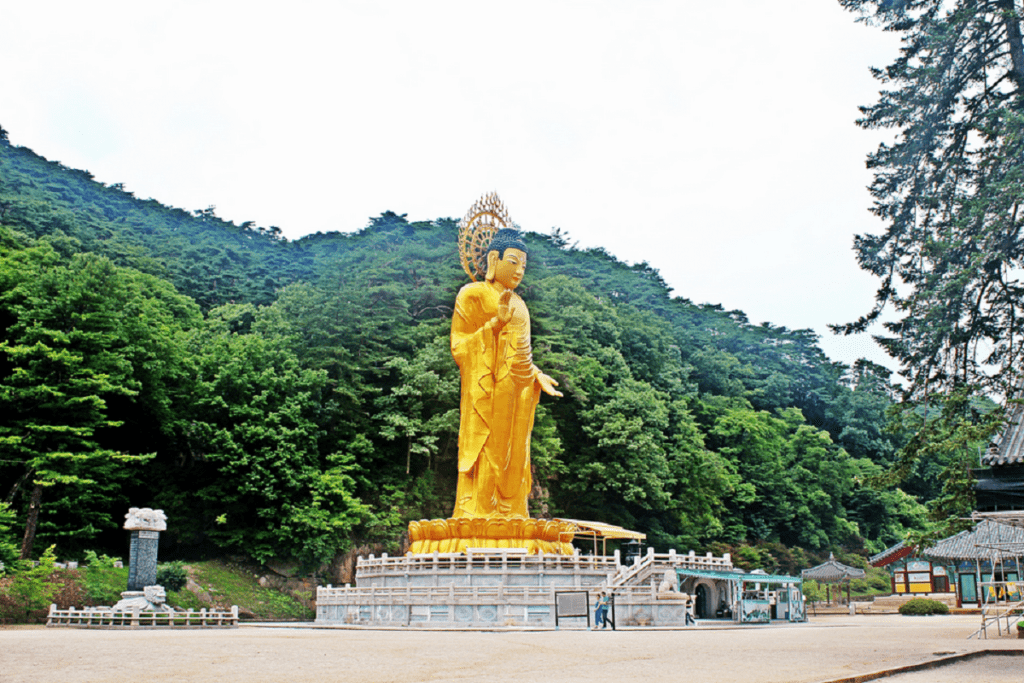
Visiting Songnisan National Park won’t cost you anything in terms of entry fees, as access to the park itself is free. However, if you’re driving, be prepared to pay a parking fee of 4,000 won ($3) during peak season. One of the park’s highlights, Beopjusa Temple, does require an entrance fee—adults pay 4,000 won (about $3), though groups can get a slight discount at 3,700 won (around $2.80) per person.
FAQs
Is Songnisan National Park worth visiting?
Absolutely! Songnisan National Park is well worth a visit, particularly for those who enjoy hiking and immersing themselves in nature. The park boasts diverse landscapes, ranging from lush forests to scenic mountain trails, all of which are well-maintained and offer a tranquil escape from city life. Beyond its natural beauty, Songnisan is also home to Beopjusa Temple, a significant spiritual site that adds a cultural and historical dimension to any visit.
How much is a taxi from Seoul to Songnisan National Park?
A taxi from Seoul to Songnisan National Park typically costs between ₩100,000 and ₩120,000 ($75 to $90 USD), though the final fare may vary depending on traffic conditions. The park is located about 150 to 170 kilometers (93 to 105 miles) from Seoul, and the journey by taxi generally takes around 2 to 3 hours.
Conclusion
Songnisan National Park is a must-visit for anyone looking to explore South Korea’s natural beauty and cultural heritage. Whether you’re an avid hiker, a history enthusiast, or simply seeking a peaceful retreat, Songnisan provides an unforgettable experience.