Guide to Virunga: The Ultimate Gorilla Safari
Virunga National Park is located in the eastern region of the Democratic Republic of the Congo and is Africa’s oldest national park. It is one of the most biologically diverse protected areas on the continent. Spanning approximately 7,800 square kilometers, the park is a UNESCO World Heritage Site known for its extraordinary landscapes, which include lush rainforests, active volcanoes, and vast savannahs.
It is a vital refuge for numerous endangered species, including the critically endangered mountain gorilla. Virunga’s unique position at the crossroads of the Albertine Rift Valley makes it an ecological treasure trove, drawing researchers, conservationists, and adventurous travelers. This guide explores the park’s remarkable biodiversity, key attractions, and practical information for visiting this unparalleled natural wonder.
Overview of Virunga National Park
Established in 1925, Virunga National Park is not only the oldest national park in Africa but also one of the most varied in terms of habitats and ecosystems. The park stretches from the Virunga Mountains in the south, with their iconic chain of volcanoes, to the Rwenzori Mountains, often referred to as the “Mountains of the Moon,” in the north. This dramatic range of altitudes and landscapes supports an incredibly rich array of flora and fauna.
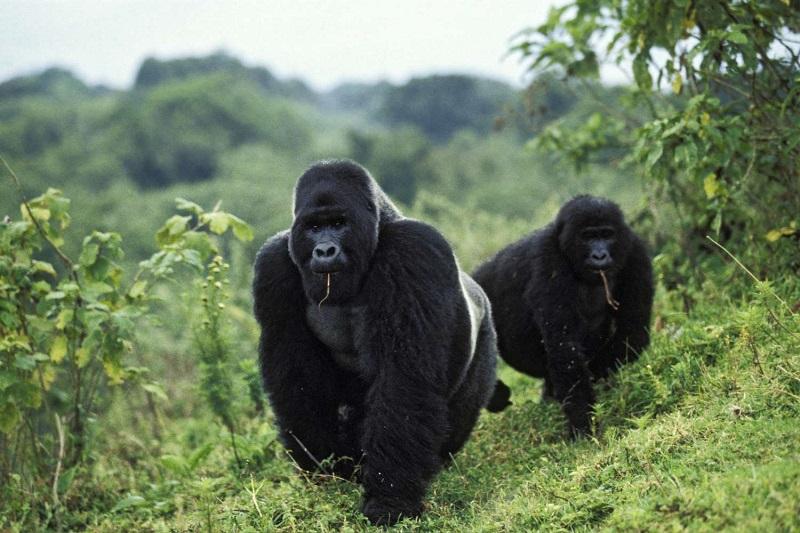
The park is managed by the Virunga Foundation in partnership with the Congolese Institute for Nature Conservation (ICCN), focusing on conservation and sustainable tourism amidst a challenging political and environmental landscape. Virunga is perhaps most famous for its population of mountain gorillas, which inhabit the dense forests on the slopes of the Virunga Mountains.
The park also has the active Nyiragongo and Nyamuragira volcanoes, which are among the most active in the world. Lake Edward, one of the Great Lakes of Africa, lies within the park’s boundaries, providing a habitat for diverse aquatic life. The park’s conservation efforts are critical, not only for protecting its unique wildlife but also for supporting the local communities that depend on its natural resources.
Wildlife in Virunga National Park
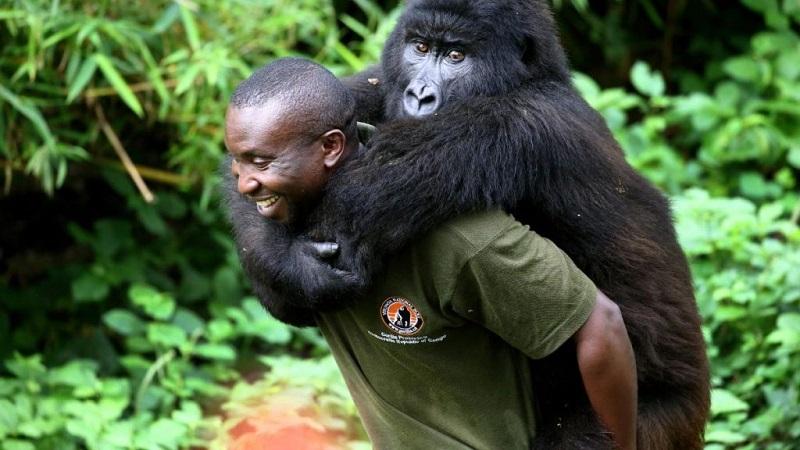
Virunga National Park is a haven for a staggering variety of wildlife, including many rare and endangered species. The park is one of the last strongholds of the mountain gorilla, with several habituated groups that visitors can observe in their natural habitat. Gorilla trekking is a highlight of any visit, offering a once-in-a-lifetime opportunity to see these majestic primates up close.
Virunga is home to a significant population of eastern lowland gorillas, also known as Grauer’s gorillas, though these are more challenging to spot due to their more elusive nature. The park’s diverse ecosystems also support other large mammals, including African elephants, lions, and hippopotamuses. Herds of buffalo can often be seen grazing in the park’s savannah regions, while the forests provide shelter to various species of monkeys and antelope, such as the okapi.
The birdlife in Virunga is equally impressive, with over 700 recorded species. Birdwatchers can look for iconic species like the African fish eagle, Ruwenzori turaco, and the rare shoebill stork. Reptiles and amphibians are abundant, particularly around the park’s lakes and rivers.
The volcanic areas of the park are home to unique geothermal ecosystems, where rare plants and invertebrates can be found. Virunga’s rich biodiversity makes it a critical area for scientific research and conservation.
The Best Time to Visit Virunga National Park
The best time to visit Virunga National Park largely depends on the type of experience visitors are seeking. The park’s dry seasons, from June to September and December to February, are generally the most popular times for trekking and other outdoor activities. During these months, the weather is more predictable, and trails are less muddy, making it easier to navigate the terrain.
These periods are ideal for gorilla trekking, as the vegetation is less dense, increasing the chances of spotting the gorillas. March to May and October to November, bring heavier rainfall, which can make some trails slippery and challenging.
This time can be excellent for birdwatching, as many migratory species are present. The wet season is also less crowded, offering a more intimate experience for visitors who are prepared for the weather conditions.
Getting to Virunga National Park from Goma
Virunga National Park is accessible via the city of Goma, which lies on the northern shore of Lake Kivu and serves as the primary gateway to the park. Goma is approximately 20 kilometers from the park’s boundary. Visitors can fly into Goma International Airport from Kinshasa, the capital of the Democratic Republic of the Congo, or from Kigali, the capital of neighboring Rwanda.
The journey from Kigali to Goma by road takes about three hours and offers stunning views of the Rwandan countryside. From Goma, visitors can arrange transport to the park through authorized tour operators or the Virunga National Park headquarters.
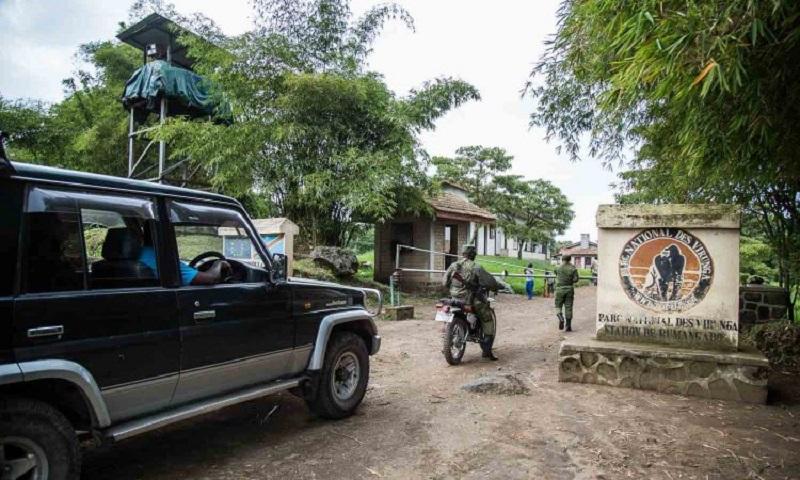
The park’s main entrance is at Rumangabo, where visitors can check in and begin their adventure. Travel within the park typically requires a 4×4 vehicle due to the rough terrain, especially when visiting remote areas like the Nyiragongo volcano or the gorilla trekking sites.
Other Activities in Virunga National Park
Virunga National Park offers a wide range of activities beyond gorilla trekking. One of the most popular activities is hiking the Nyiragongo volcano, renowned for its active lava lake, one of the few in the world. The challenging trek to the summit takes about 4-6 hours and offers breathtaking views and a unique opportunity to see the glowing lava at night.
The park also offers chimpanzee trekking in the Mahura Forest, where visitors can observe these intelligent primates in their natural habitat. Guided nature walks and birdwatching excursions provide opportunities to explore the park’s rich biodiversity and enjoy its scenic beauty.
Lake Edward and the adjacent Ishasha River are ideal for boat trips, where visitors can see hippos, crocodiles, and a variety of bird species. Cultural experiences are an integral part of a visit to Virunga, with opportunities to engage with local communities and learn about their traditions and way of life.
The park’s rangers and guides, many of whom come from the surrounding areas, share their knowledge and stories, enriching the visitor experience. Conservation-focused activities, such as visiting the park’s headquarters and learning about its conservation initiatives, are also available.
Park Fees for Virunga National Park
As of 2024, the fees for visiting Virunga National Park are as follows:
- Gorilla Trekking Permit: $400 per person.
- Nyiragongo Volcano Trekking Permit: $300 per person.
- Park Entrance Fee: Included in the cost of the activity permits.
These fees support the park’s conservation efforts and the protection of its wildlife. It’s advisable to book permits well in advance, as they are limited and in high demand. The fees and availability of permits may change, so visitors should check with the park or their tour operator for the most current information.
FAQs: Touring Virunga National Park
Do I Need a Car to Tour the Park?
Yes, a car is necessary for exploring Virunga National Park due to its large size and the need to access various sites. A 4×4 vehicle is recommended, especially for visiting remote areas like the gorilla trekking zones and the Nyiragongo volcano. Transport can be arranged through authorized tour operators or the park’s headquarters.
Are Unguided Walks Allowed in the Park?
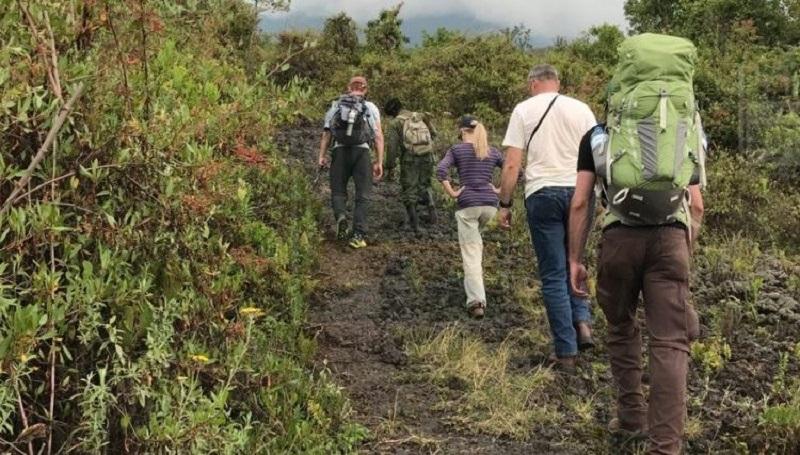
Unguided walks are not permitted in Virunga National Park due to safety concerns related to wildlife and the terrain. All activities, including gorilla trekking and volcano hikes, must be conducted with certified guides and rangers who ensure visitor safety and provide valuable insights into the park’s ecosystems.
How Much is a Game Drive in the Park?
Game drives are not the primary focus of Virunga National Park, as the park is more renowned for its primate trekking and volcanic landscapes. However, guided tours that include wildlife viewing, visits to scenic spots, and cultural experiences are available. The cost of these tours varies depending on the itinerary and services included. It’s best to inquire directly with the park or tour operators for specific pricing.
Conclusion
Virunga National Park is a place of awe-inspiring natural beauty and incredible biodiversity. From the majestic mountain gorillas to the fiery depths of Nyiragongo volcano, the park offers a unique and unforgettable adventure for all who visit. A visit to this iconic park is not only an adventure but also a contribution to the vital conservation efforts that protect its extraordinary wildlife and landscapes.