
Guide to Cerro Hoya National Park: Panama’s Hidden Paradise
Rising like a verdant sentinel at the southern tip of Panama’s Azuero Peninsula, Cerro Hoya National Park is a haven for nature lovers. This protected area is one of the country’s most remote and least-visited parks, offering a chance to explore tropical forests largely untouched by modern development.
It is a destination for those willing to trade convenience for adventure, promising rewards for hikers, birdwatchers, and anyone drawn to pristine natural landscapes. The park’s landscape is defined by dense tropical forests that transition into montane cloud forests at higher elevations. Trails through these ecosystems reveal a remarkable diversity of flora, from towering hardwoods to rare orchids clinging to moss-covered branches.
Birdwatchers are treated to glimpses of endemic and migratory species, including parrots, toucans, and hummingbirds that dart between trees like living jewels. Waterways that cascade down steep slopes feed into rivers and streams, providing both habitat and a soothing soundtrack to the wilderness experience. Here’s our comprehensive guide to Cerro Hoya National Park;
Overview of Cerro Hoya National Park
Cerro Hoya National Park stretches across the southwest coast of the Azuero Peninsula in the provinces of Veraguas and Los Santos. The park is located roughly 220 miles (350 km) from Panama City. Established in 1984, this 32,557-hectare (80,450-acre) park encompasses some of the last remaining primary forest on the peninsula.
It presents a remarkably diverse ecosystem, from low coastal tropical forests to misty montane rainforests atop the peaks. Of volcanic origin, Cerro Hoya, the tallest mountain at 1,559 meters, anchors the park alongside Cerro Moya and Cerro Soya, forming the striking Tres Cerros. These mountains, composed of some of Panama’s oldest rock, give rise to 10 important regional rivers.
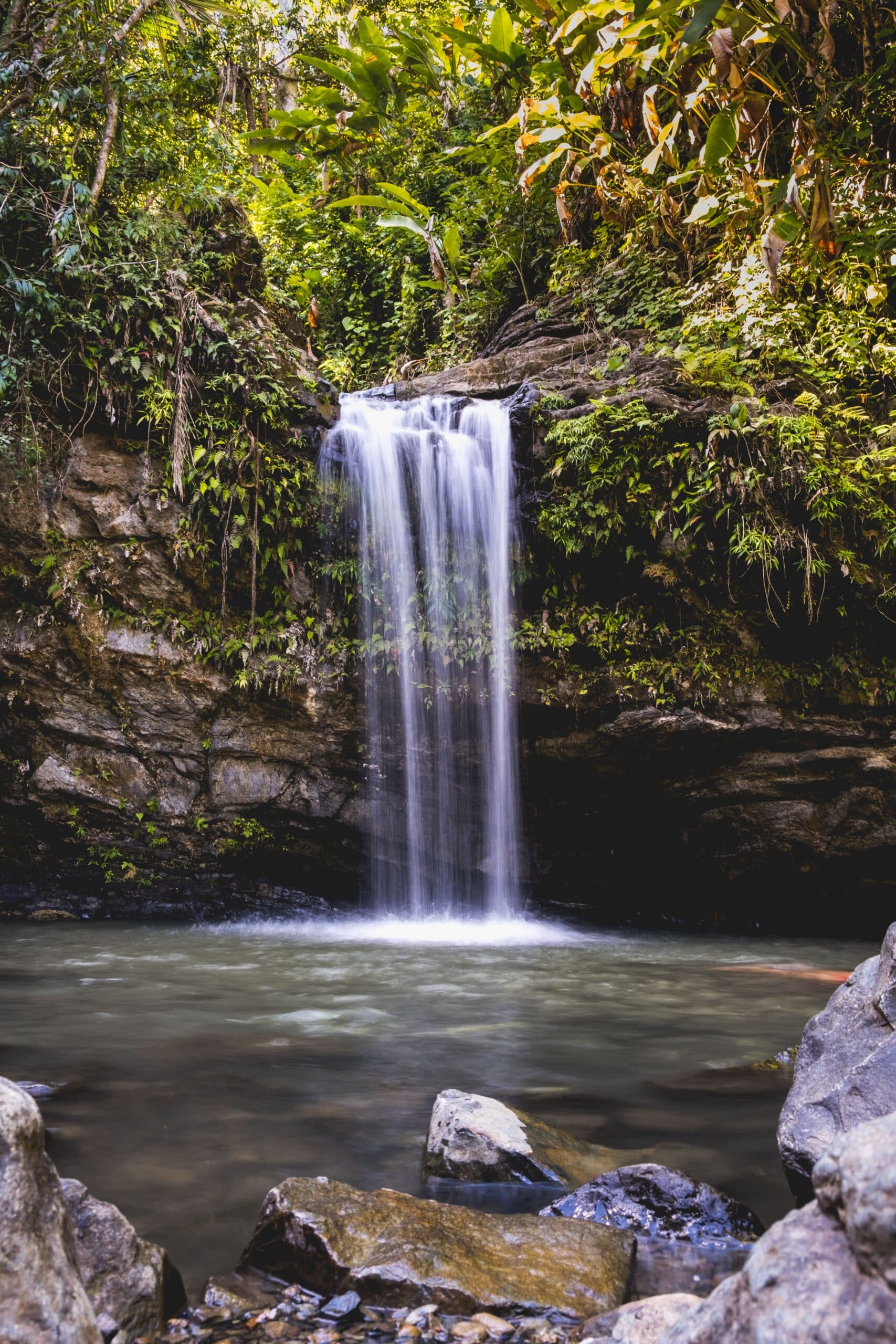
These include; Tonosí, Guánico, Portobelo, Quebro, El Pavo, and La Playita. There are also crystal-clear ponds and cascading waterfalls threading through the terrain, making the park a vital hydrological reserve. Previously accessible only to intrepid explorers, recent repairs to eastern Azuero roads have made this secluded wilderness far more reachable.
Also Read: Best Resorts in Panama.
Wildlife in Cerro Hoya National Park

Cerro Hoya National Park is a vibrant sanctuary for wildlife, boasting over 95 recorded bird species that attract both casual observers and dedicated birders. Among the most remarkable are the endangered scarlet macaw and great green macaw, whose bright plumage stands out against the lush forest canopy.
The park is also home to the rare Azuero parakeet, a local subspecies of the painted parakeet, with only around 2,000 individuals thought to exist. These parakeets are most visible in the lowlands between April and July, feeding on native fruits such as figs and nances. Other avian residents include king vultures, ospreys, trogons, toucans, and mangrove black hawks, adding layers of color and sound to the forest.
Mammalian wildlife is equally impressive, with jaguars, ocelots, white-tailed deer, pacas, and five species of monkeys roaming the park. The ecosystem is further enriched by a diverse array of reptiles, amphibians, and insects, making Cerro Hoya a true biodiversity hotspot.
Best Time to Visit Cerro Hoya National Park
The best time to visit Cerro Hoya National Park falls during the dry season, which spans from mid-December through April. At this time, the Pacific coastal region enjoys predominantly sunny skies with very little rainfall. These are favorable conditions for tackling the park’s challenging trails, ascending its peaks, and exploring its more isolated sections.
Hikers benefit from firmer ground underfoot, reduced risk of trail erosion or mudslides, and enhanced visibility that reveals sweeping vistas. In contrast, the rainy season from May to November brings heavy downpours and elevated humidity levels. These conditions often complicate travel across the rugged landscape and limiting access to certain areas.
Nevertheless, this wetter phase transforms the park into a vibrant, lush environment where dense vegetation reaches its peak greenery. This offers a different but equally compelling experience for those prepared to navigate the moisture and occasional storms.
Getting to Cerro Hoya National Park

To get to Cerro Hoya National Park from Panama City, you’ll journey across the Azuero Peninsula to its southwestern tip. The total trip typically spans 5 to 6 hours by road under good conditions, though remote sections demand careful planning due to rough terrain. You’ll drive along the Pan-American Highway toward Divisa, then continue via Chitré and Las Tablas before arriving in Tonosí.
From there, the route proceeds toward the coastal community of Cambutal, which serves as the main gateway for park access. A high-clearance 4×4 vehicle proves essential on the final stretches, particularly in the rainy season when unpaved roads become challenging or impassable.
For budget travelers, buses depart from Albrook Bus Terminal in Panama City to Las Tablas. You’ll then charter a local bus to Tonosí and then a taxi or private ride (costs around $15 to $20) to Cambutal or nearby towns. Given that the park has remote sections and lacks signage, we recommend you join a guided tour. It’s an especially great option if you aren’t good at navigation or simply want a seamless experience.
Organized options offer private transfers from Panama City, frequently incorporating a scenic boat ride along the rugged coastline from Cambutal. If you’re short on time, take a domestic flight from Albrook Airport to destinations such as Lago Bay or Chitré. You’ll then complete the remainder of the journey via taxi or 4×4 rental.
Other Activities in Cerro Hoya National Park
Cerro Hoya National Park provides a variety of immersive outdoor pursuits. Visitors frequently embark on demanding hikes through dense jungle paths to reach the peninsula’s highest summit. Here, you’re treated to sweeping vistas of the Pacific Ocean. Most people visit the park as part of a guided tour.
On these tours, birders seek out over 95 avian species. Hikers will also glimpse other wildlife such as howler monkeys, white-tailed deer, ocelots, and elusive jaguars. Some tours often lead to hidden waterfalls cascading into natural swimming holes fed by clear jungle rivers.
For those seeking deeper immersion, multi-day primitive camping expeditions, including challenging two-night treks to the summit. Boat tours from nearby coastal settlements like Cambutal or Tonosí present chances to observe marine life. During peak migration seasons, you’ll witness humpback whales breaching in the surrounding waters.
Park Fees in Cerro Hoya National Park

Cerro Hoya National Park charges modest entrance fees. These charges, typically handled by local rangers at entry points, amount to about $2 to $3 for Panamanian nationals or residents. Foreigners generally pay around $5. Reduced rates often apply for children under 12, who enter free. Senior citizens, retirees, or pensioners are charged about $1, though amounts can fluctuate from time to time.
Because the park lacks extensive infrastructure and features rugged, remote terrain, most explorations occur through organized guided tours. These start from roughly $120 per person and often bundle transport, a knowledgeable local guide, admission, and sometimes meals or equipment.
FAQs
Is Cerro Hoya National Park worth visiting?
Cerro Hoya National Park is a rewarding destination for those drawn to untouched wilderness. The park safeguards dramatic volcanic terrain, lush montane rainforests, spectacular waterfalls, and pristine, undeveloped beaches along a rugged shoreline.
How long to spend in Cerro Hoya National Park?
For those seeking an in-depth experience, a stay of 2 to 3 days is ideal. This allows sufficient time to navigate steep ascents, observe endemic species, and enjoy overnight stays in the wilderness. Shorter visits remain feasible. These often consist of full-day excursions lasting 8 hours or more.
Conclusion
Cerro Hoya is of ecological and conservation significance. Its forests serve as a critical water catchment area and are a refuge for several species threatened elsewhere in Panama. The park’s isolation allows ecosystems to remain largely intact, offering researchers and visitors alike a glimpse into what the Azuero Peninsula once looked like.