
Guide to Rincón de la Vieja: Costa Rica’s Exceptionally Diverse National Park
Located in the northwestern part of Costa Rica, within the province of Guanacaste, the park is named after the Rincón de la Vieja Volcano. This protected area offers a diverse ecosystem, from tropical dry forests to cloud forests, making it home to a remarkable variety of wildlife. Visitors are drawn not only to the striking volcanic scenery but also to the numerous trails, waterfalls, hot springs, and mud pools.
The park’s network of trails allows explorers to discover its diverse landscapes and vibrant wildlife. Among them, the Las Pailas trail is the most subscribed. The trail offers hikers an up-close view of volcanic activity, with bubbling mud pots, steaming fumaroles, and sulfurous vents.
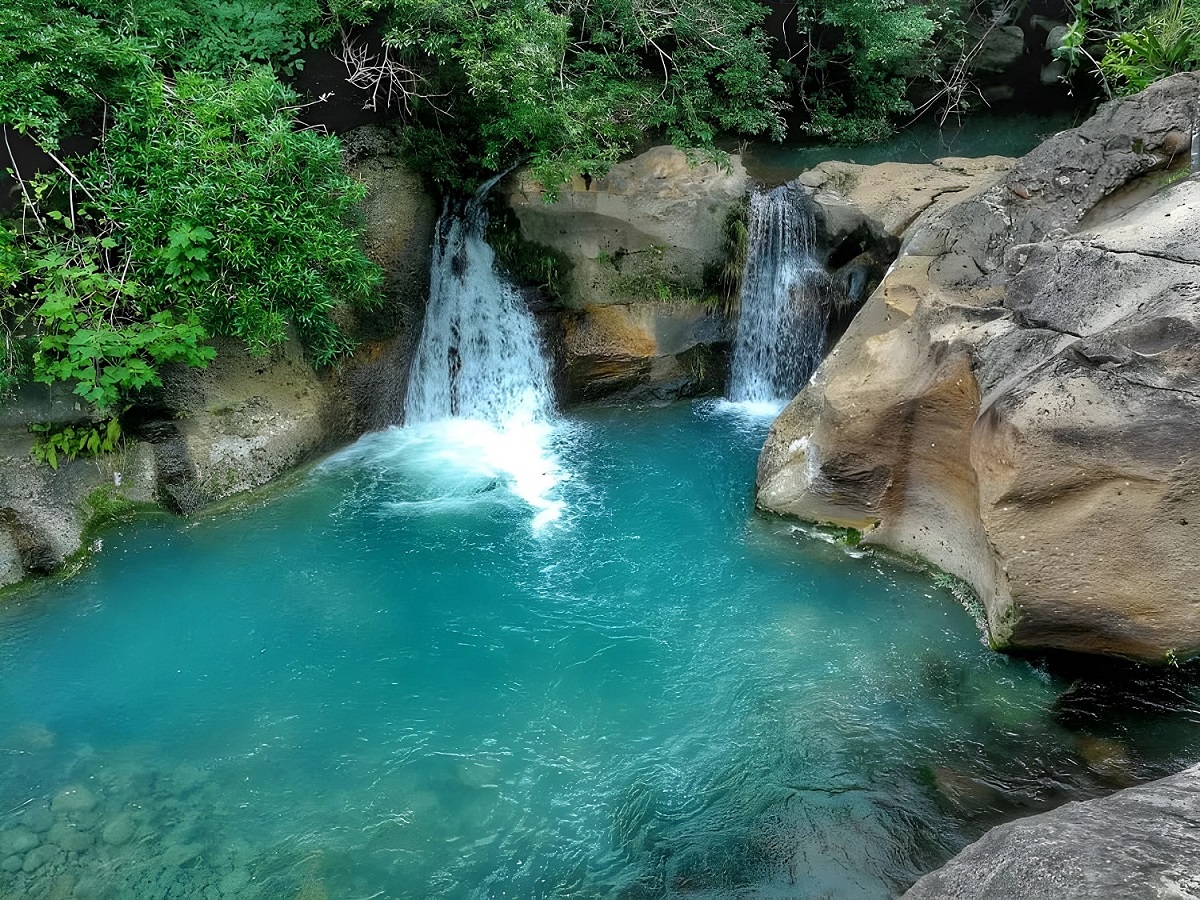
Waterfalls, such as the Oropéndola and La Cangreja, provide refreshing spots for a swim while surrounded by lush vegetation. With all this on offer, it’s no wonder the park has become a staple for adventurers visiting Costa Rica. Here’s our comprehensive guide to Rincón de la Vieja National Park;
Overview of Rincón de la Vieja National Park
Rincón de la Vieja National Park is the site of the impressive Rincón de la Vieja Volcano. It encompasses two main areas, Las Pailas and Santa Maria, each covering approximately 31,000 acres. The park features nine volcanic cones and a scenic lagoon known as Los Jilgueros. In the Pailas area, visitors can explore a variety of trails. The Santa Maria area also offers engaging hikes.
Around the park’s administration zone, amenities include restrooms, picnic areas, and a camping site, alongside historical structures like an old house and a mill. The name Rincón de la Vieja translates to “the old woman’s corner,” a title rooted in local legend and the traditions of the Guatuso tribe.
According to folklore, the volcano was named after a princess whose lover was cast into the volcano by her father. The princess later gave birth to a son, whom she also placed in the volcano to reunite with his father. She spent the rest of her life near the crater, where she was believed to have acquired healing powers, solidifying the area’s mystical reputation.
The volcano itself has experienced at least eight significant periods of volcanic activity and continues to release steam and bubbles. Visitors to the park can witness active geothermal phenomena at sites such as Las Pailas and Las Hornillas. Here, boiling mud springs, sulfur springs, fumaroles, and steam vents are abundant, offering a vivid demonstration of the area’s volcanic energy.
Wildlife in Rincón de la Vieja National Park

Rincón de la Vieja National Park boasts an impressive array of wildlife, making it a paradise for nature enthusiasts and wildlife observers. The park is home to several species of monkeys, including howler, spider, and squirrel monkeys, which can often be seen swinging through the forest canopy. Large mammals like pumas, jaguars, tapirs, and ocelots roam the dense forests.
Smaller mammals like sloths, armadillos, coatis, anteaters, peccaries, and agoutis add to the park’s rich biodiversity. Birdlife in the park is equally remarkable, with over 300 species recorded, including iconic toucans, vibrant quetzals, and various hummingbirds.
Visitors may also encounter striking species such as the long-tailed manakin, elegant trogon, and the white-throated magpie-jay. Reptiles and amphibians thrive in this diverse environment as well. Iguanas, boa constrictors, rattlesnakes, and an array of tree frogs all contribute to the park’s dynamic ecosystem.
Also Read: Best Resorts in Costa Rica.
Best Time to Visit Rincón de la Vieja National Park
The ideal time to visit Rincón de la Vieja National Park varies depending on what travelers want to experience. During the dry season (December to April), the park enjoys consistent sunshine. These conditions make it perfect for hiking and water-based activities, with trails generally easier to navigate. However, this period can be busier as more tourists flock to the area.
The wet season, which runs from May to November, transforms the park into a lush, vibrant landscape. During this window, you’ll witness with blooming flowers, impressive waterfalls, and abundant wildlife. Visitors during this time will encounter fewer crowds and often lower prices.
However, trails can become muddy and slippery, and brief daily showers are common. May and June are particularly favorable for witnessing the early green season with minimal visitors, while September and October typically see the heaviest rainfall. We recommend you bring rain gear if you’re planning on visiting the park during this season.
Getting to Rincón de la Vieja National Park

Reaching Rincón de la Vieja National Park requires some planning, as there are no direct public transportation options from San José to the park. Most visitors first travel to Liberia, either by flying with domestic airlines like Sansa from San José’s Juan Santamaría International Airport.
Once there, they take a long-distance bus from Terminal Atlántico Norte or the Central Autobusera, or rent a car for a scenic drive. From Liberia, the remaining journey to the park’s entrances, whether Las Pailas or Santa María, takes roughly 40 to 60 minutes by taxi, bus, or self-drive.
Accessing the Las Pailas Sector involves driving north from San José toward Puntarenas, then following the Inter-American Highway toward Liberia. From Liberia, you’ll continue 5 kilometers north on the Inter-American North Highway to reach the Curubandé entrance. You’ll then drive 15 kilometers northeast through the village of Curubandé to a metal gate, followed by another 10 kilometers on a gravel road to the trailheads.
To reach the Santa María Sector, you’ll travel along the Inter-American Highway toward Liberia. There’s a turn at Barrio La Victoria leading to the village of Colonia Blanca, and a left turn continuing for approximately 25 kilometers to the entrance. Renting a car offers the most flexibility to explore the park and surrounding areas. However, a 4×4 is recommended due to rough sections of road, particularly near Las Pailas.
Other Activities in Rincón de la Vieja National Park
Rincón de la Vieja National Park offers a wide variety of activities. Several trails within the park start from the Las Pailas sector, each offering unique landscapes and experiences. The Las Pailas Circular Trail (Boiling Mud Pots Trail) is a short 2-mile loop that passes steaming fumaroles, bubbling mud pots, and a small volcano. In the wet season, you’ll encounter occasional seasonal waterfalls.
For longer hikes, visitors can choose between the Escondida Waterfall Trail (5.3 miles round trip) and the La Cangreja Waterfall Trail (a challenging 6.2-mile route). Swimming is not allowed at La Cangreja but the trail rewards hikers with striking views and a sense of adventure.
Beyond hiking, the park features natural hot springs with Rio Negro Hot Springs being particularly popular. This site includes a series of ten volcanic hot pools connected by hanging bridges, alongside volcanic clay for natural body masks. Guests can apply the clay, let it dry, rinse in the cool river, and then return to the soothing warmth of the springs. The area is well-equipped with bathrooms, lockers, and changing rooms.
Park Fees in Rincón de la Vieja National Park

Rincón de la Vieja National Park charges a modest fee. For foreign visitors, adults typically pay between $15 while non-resident children are charged $5. Costa Rican nationals and residents pay a reduced fee of ₡1,000 for adults and ₡500 for children. Payments are made at the park offices, either in the Las Pailas or Santa María sectors, depending on the chosen entry point.
FAQs
Is Rincón de la Vieja National Park worth visiting?
Yes, Rincón de la Vieja National Park is definitely worth visiting. Visitors can explore its trails to witness bubbling mud pots and fumaroles, enjoy refreshing swims beneath cascading waterfalls, and observe animals in their natural habitats.
How long to spend in Rincón de la Vieja National Park?
Visitors to Rincón de la Vieja National Park can tailor their stay depending on the type of experience they seek. A busy day trip, ranging from a half-day to a full day, is sufficient to see key highlights such as the park’s bubbling mud pots or its scenic waterfalls. However, for those looking to fully immerse themselves in the area’s natural offerings, spending two to three days in and around the park is recommended.
Conclusion
Rincón de la Vieja National Park captures the essence of Costa Rica’s natural beauty and ecological diversity. Its combination of volcanic features, rich biodiversity, and adventure opportunities makes it a destination that appeals to all types of travelers. Whether seeking a challenging hike, a relaxing soak in a hot spring, or an encounter with wildlife in its natural habitat, the park provides an unforgettable experience.